-
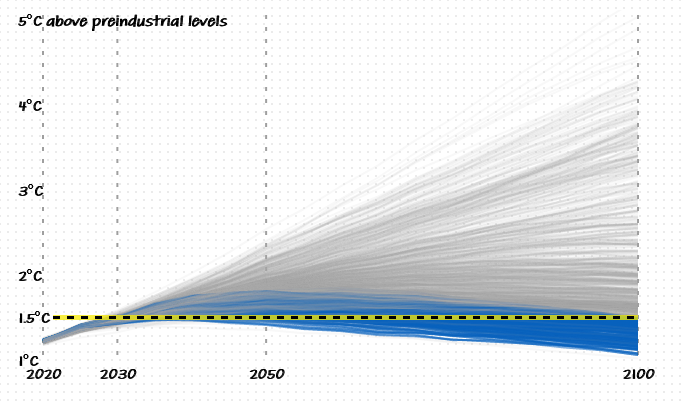
Scientists use models to study how single variables can affect a complex solution in engineering, economics, and physical and life sciences. These models can be conceptual, mechanical, or computational. In terrestrial climatology, the sheer number of variables that have to be included means that computer models are the best approach because once built, they allow…
-
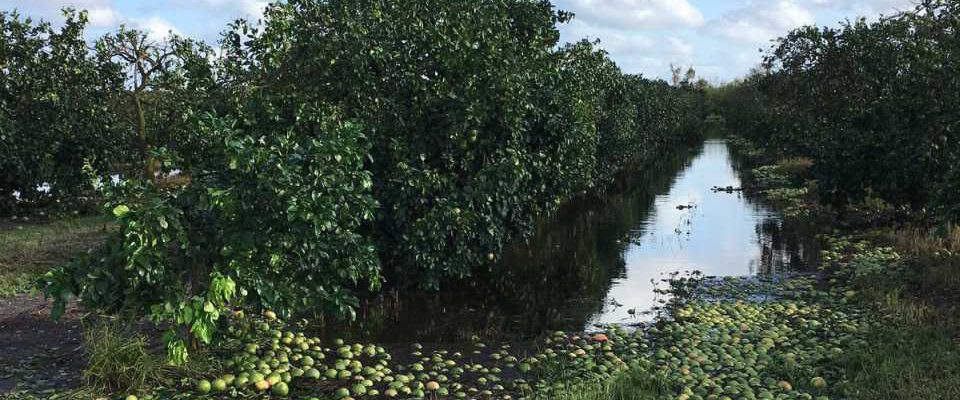
The string of weather-related disasters that has hit the United States this year has caused a lot of problems for farmers across the country, leading to big decreases in the yield of citrus and rice as well as the culling of cattle due to drought. Here are a couple of articles that described some of…
-
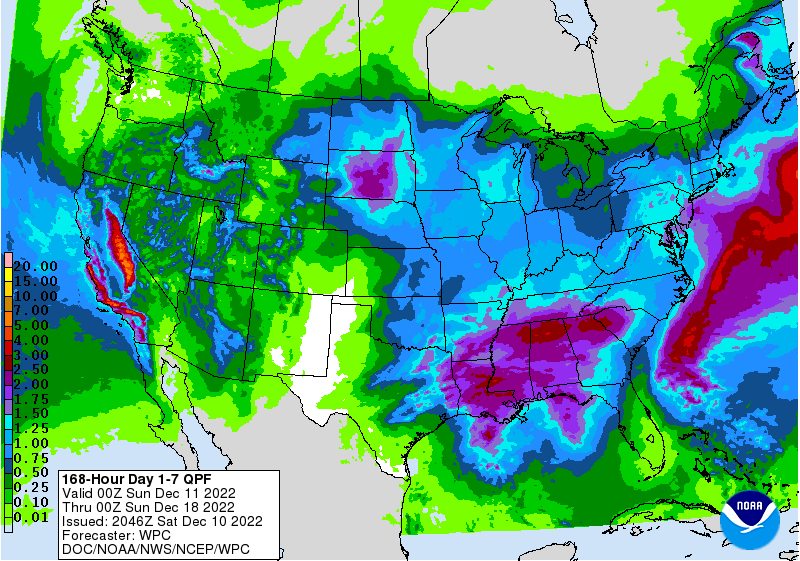
The short-term outlook for weather conditions is for more rain to move through a lot of the Southeast, although southern Florida will not see much. The rain could come in a couple of waves, with the heaviest rain occurring in mid-week. After that, cooler and drier weather will move into the region as the pattern…
Posted in: Climate outlooks -
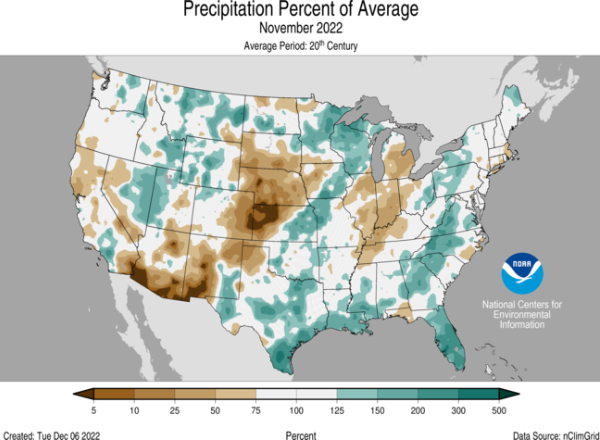
The latest monthly climate summary from NOAA shows that the average temperature for the US was 0.7 F below average and the precipitation was 0.17 inches above average. This puts the country in the middle third of years for both variables. The Southeast was generally warmer and wetter than the rest of the country. Parts…
Posted in: Uncategorized -

The State Climate Office of North Carolina has published their monthly climate summary for November 2022. You can read it at https://climate.ncsu.edu/blog/2022/12/novembers-weather-buffet-spanned-warm-to-wet-chilled-to-charred/.
Posted in: Climate summaries -
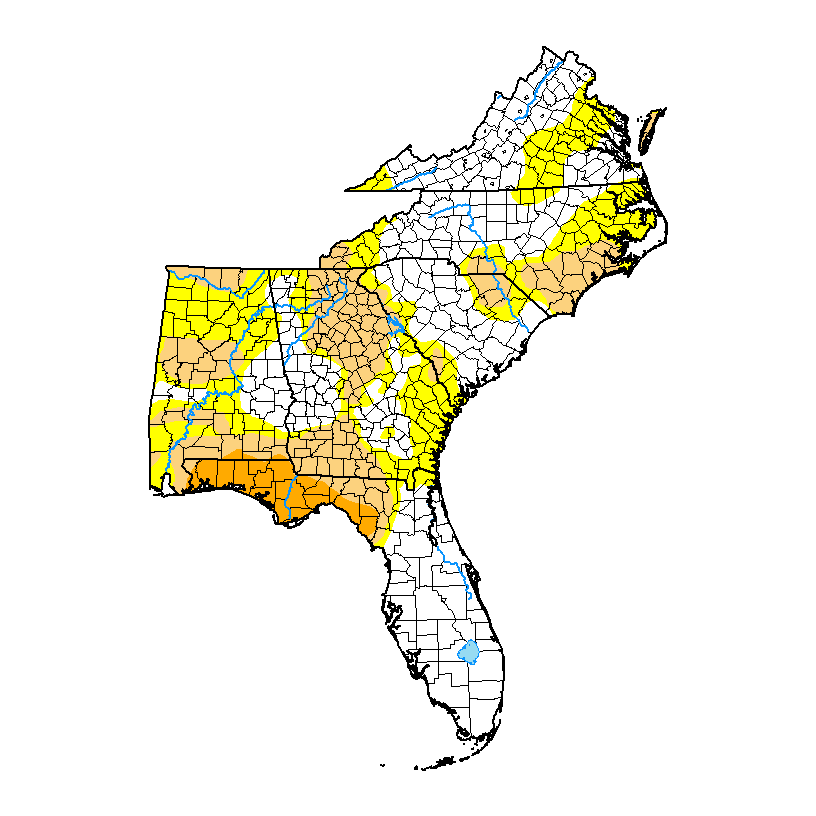
As expected, the copious rain in the northern part of our region has significantly reduced drought in those areas, with most severe (D2) drought being removed. In the southern part of the region and especially in the Florida panhandle, the severe drought remains and expanded just slightly. Western parts of the Panhandle may see some…
Posted in: Drought -
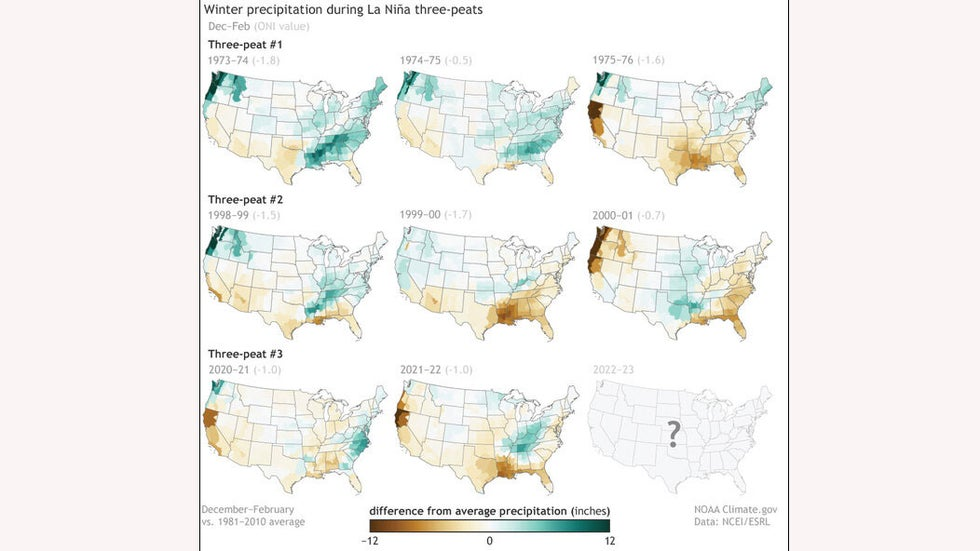
Earlier this month, Weather Underground offered a good look at the two previous times that La Nina occurred three years in a row and how it affected climate. As their analysis shows, temperature was less similar than precipitation, so if this holds, you are more likely to see a dry winter than a warm one.…