-
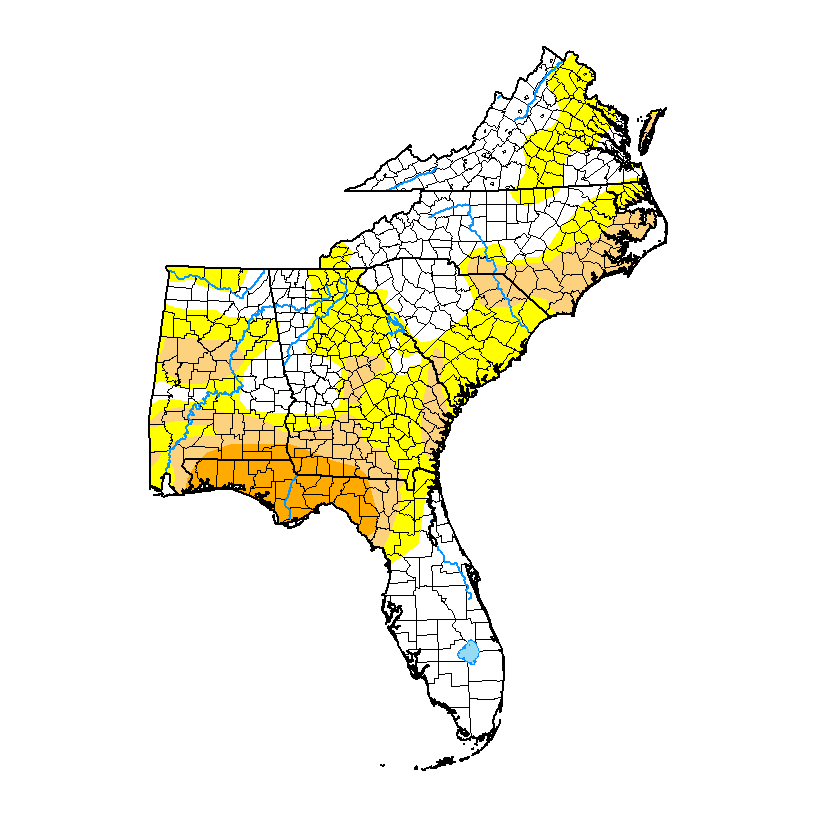
The latest Drought Monitor, released today, shows that northern areas that received a lot of rain last week generally saw an improvement in dry conditions, but other areas that did not receive much rain are showing an expansion of drought and dry conditions. The biggest increase in severe (D2) drought coverage is in the Florida…
Posted in: Drought -

Anna Scheyett, one of our UGA Faculty, is launching a new Thriving on the Farm Blog in January that will discuss proactive ways for farmers, farm workers and their families to stay healthy, both physically and mentally. I am sharing her message so that you can sign up if you are interested in this topic.…
-
We are very excited in the UGA Atmospheric Sciences program to have access to a brand-new radar system that we have purchased jointly with Georgia Tech. It will fill in an area of northeast Georgia that is not well-covered by current National Weather Services radars and will also serve as a teaching tool for our…
Posted in: Climate and Ag in the news -
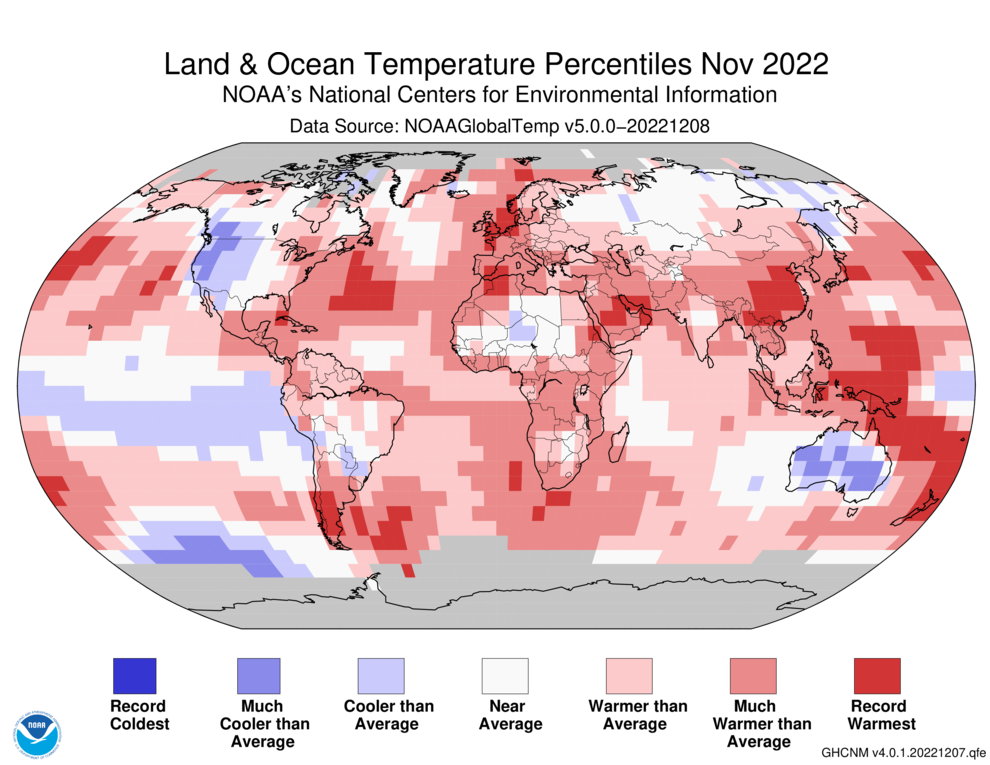
The latest monthly climate summary for the globe was released by NOAA this week. It shows that the global temperature was the tied for the 9th warmest on record. But despite that, it was the coolest November since 2014. It was also the 5th warmest September through November on record for the globe. You can…
Posted in: Climate summaries -

I’m talking about temperature, folks! A lot of my social media feed for the last couple of days has been related to one or more cold outbreaks that could affect the United States over the next couple of weeks or even into January. NOAA’s Climate Prediction Center even posted an infographic about the first one,…
-

There is a new summary publication on drought planning across the Southeast United States that you might find useful. It is based on interviews with a number of folks across the region, including me, and written by Kirsten Lackstrom of the University of South Carolina and supported by NOAA and USC. You might be surprised…
Posted in: Drought -
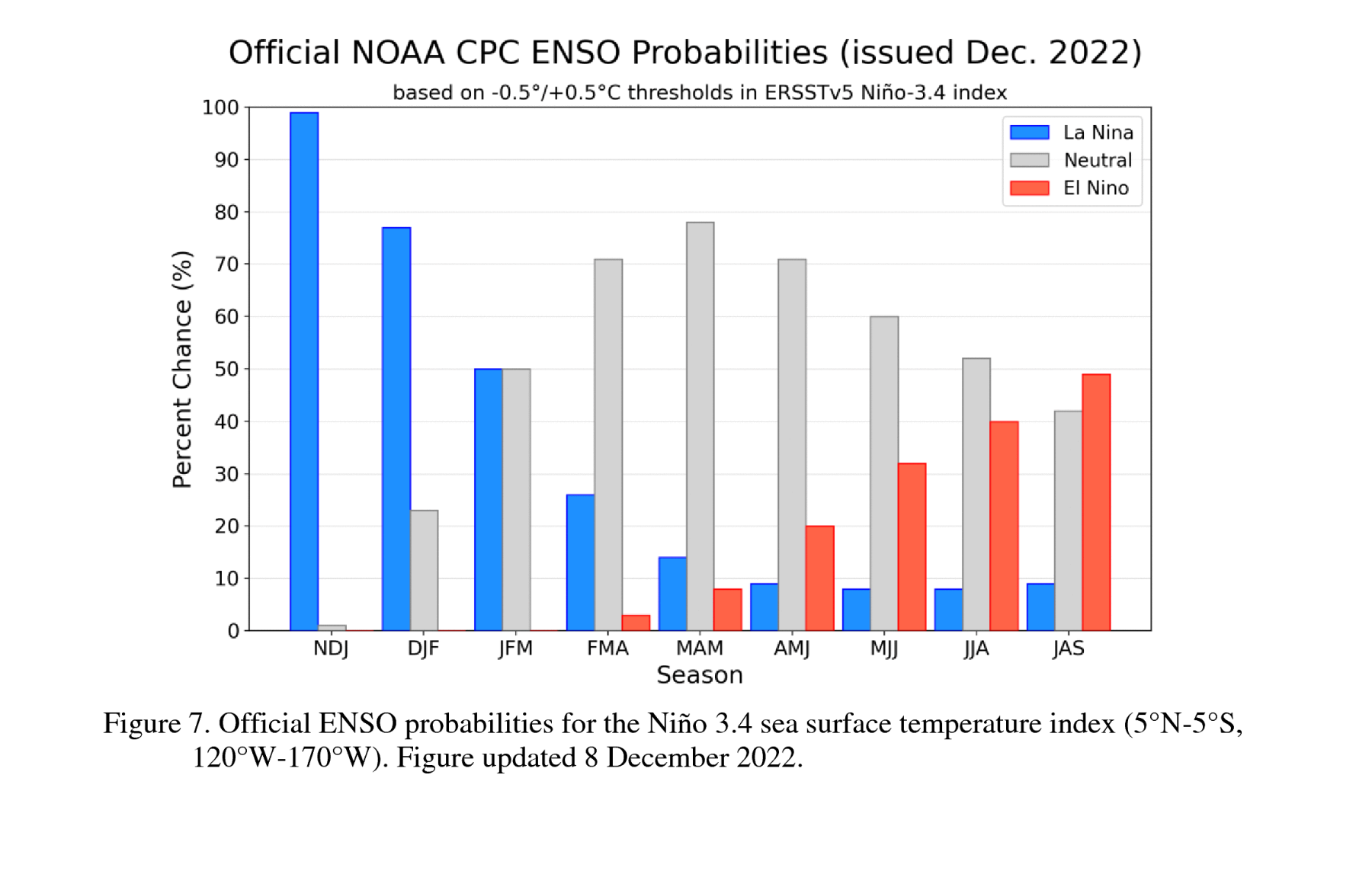
The latest ENSO update, released late last week, shows that while La Nina is still present in the Eastern Pacific Ocean, a transition to neutral conditions is likely in early 2023, with equal chances for La Nina and neutral conditions by January through March and a 73% chance of neutral conditions by February through April.…