
Recent Posts
-
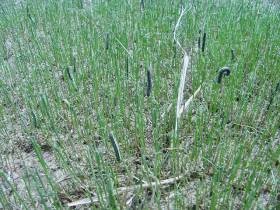
In late summer, almost every year, caterpillars invade pastures, hay fields, and home lawns throughout the state. Particularly in pastures and hay fields, damage may be severe before the worms are noticed. The grass is usually not killed, but hay yield and forage can be reduced to almost nothing over whole fields in extreme cases.…
-

The following table lists common plants known to be toxic when ingested by horses. While this is not a complete list, it contains many plants commonly found in pastures and landscapes in Georgia. Horses generally will not consume the majority of these plants unless deprived of their normal forages. Plant Name(s) Botanical Name/Family Toxic Plant…
-
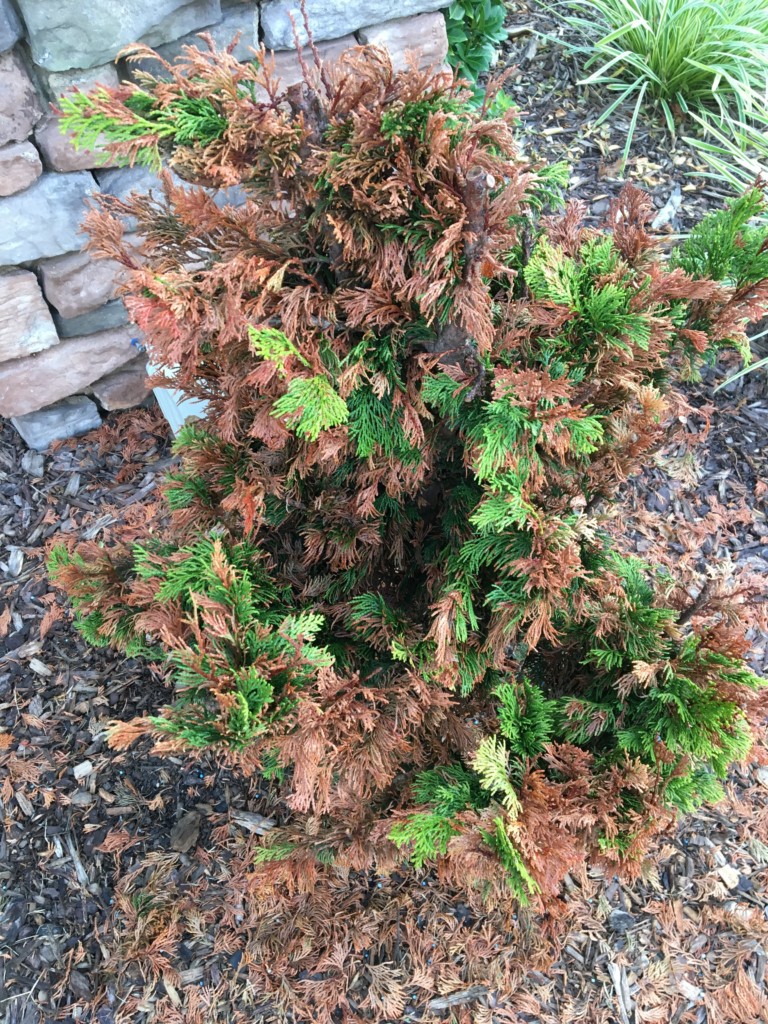
As a general rule, anytime a tree or shrub dies within the first year of planting, there is usually a root issue involved. Spring planted trees and shrubs are generally more stressed from summer heat, since their roots are still underdeveloped during the first year. This results in excessive wilting, which causes well-intentioned gardeners to…
-
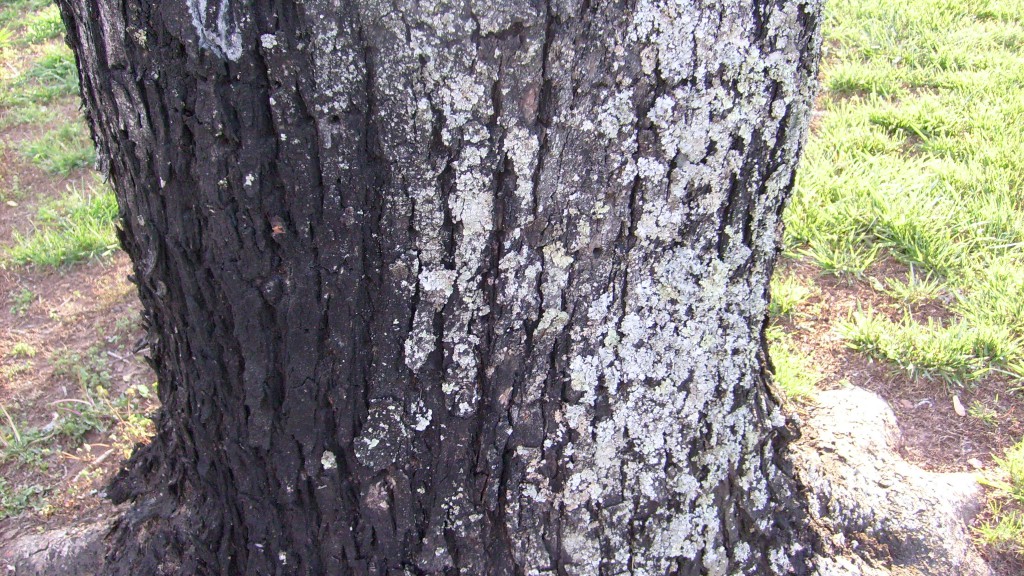
Sooty mold can be a very confusing plant disorder to troubleshoot for many backyard gardeners and commercial landscapers. Quite often small trees, shrubs, and flowers that have no obvious insect or disease problems can be completely covered by this mysterious black mold. Even more perplexing is the fact that the same varieties of flowers and…
-
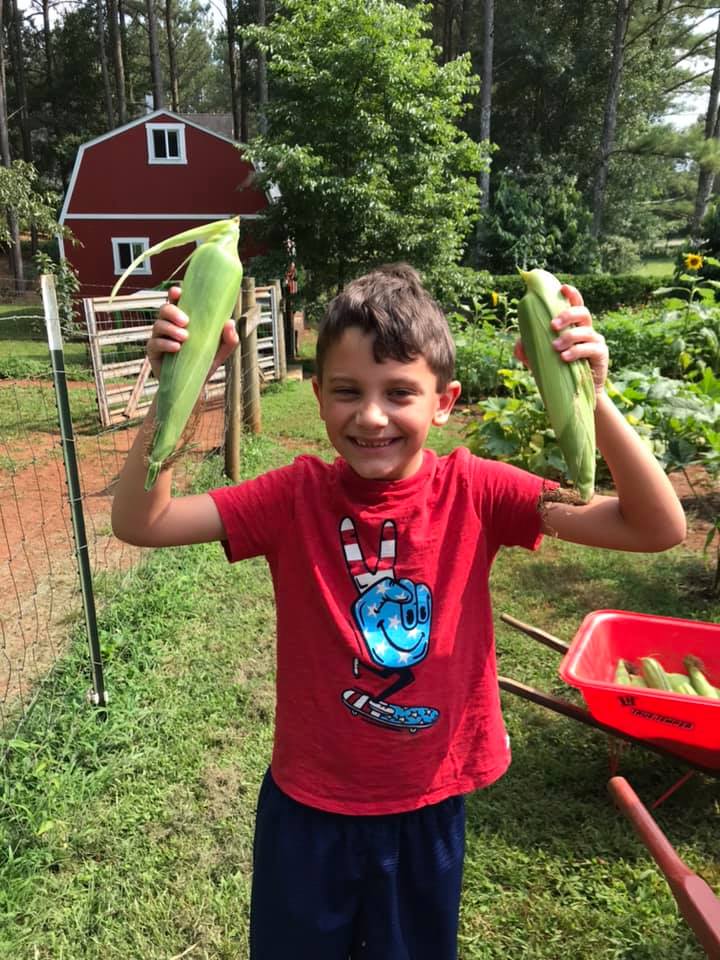
I may be a little biased, but I believe the best Father’s Day gifts are garden books, tools, gloves, seeds, or plants. Each of these items involves me and my son getting our hands dirty in the garden. The best gifts are the those that create lasting memories of planting or building something that we…
-
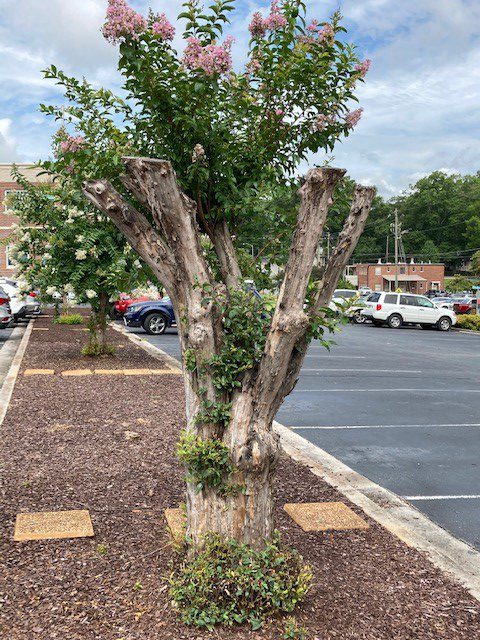
The crape myrtle (Lagerstroemia indica) is one of the most commonly planted ornamental trees for home landscapes and urban areas. By definition, crape myrtle is technically a small tree or large shrub. Crape myrtle is one of the most popular flowering shrubs/trees grown in Georgia because it provides abundant summer color with minimal maintenance. Crape myrtle…
-
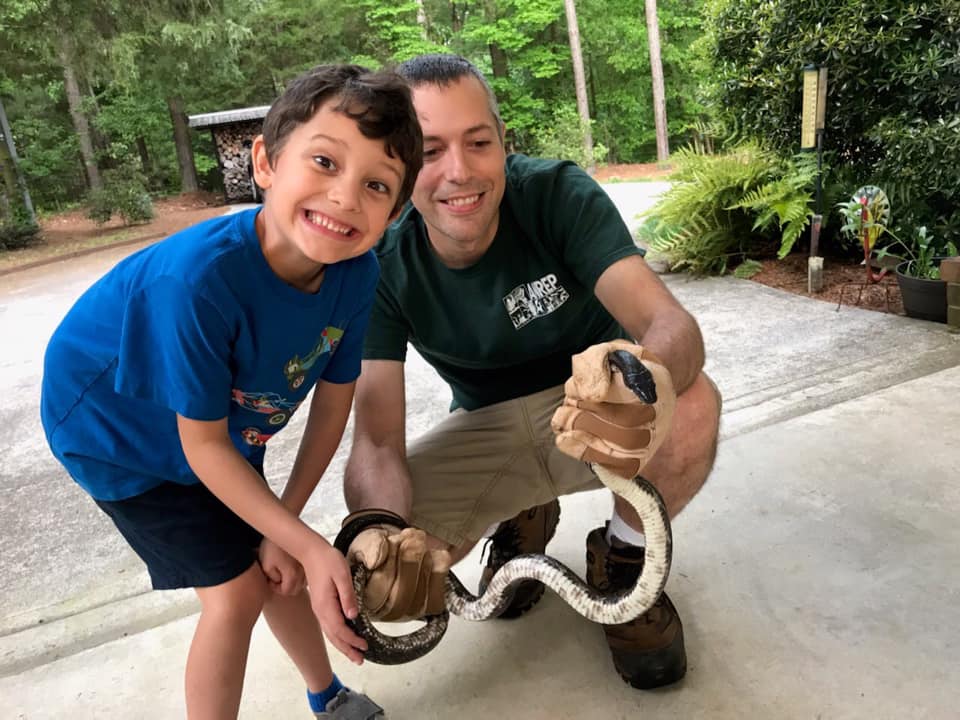
What would you do if you found a snapping turtle or a 6 ft. snake in your backyard? This time of year, we get many of these kinds of wildlife questions at the County Extension office. Reptiles are emerging from their winter slumber to find food and a future mate. It is interesting to note…
Posted in: Wildlife -
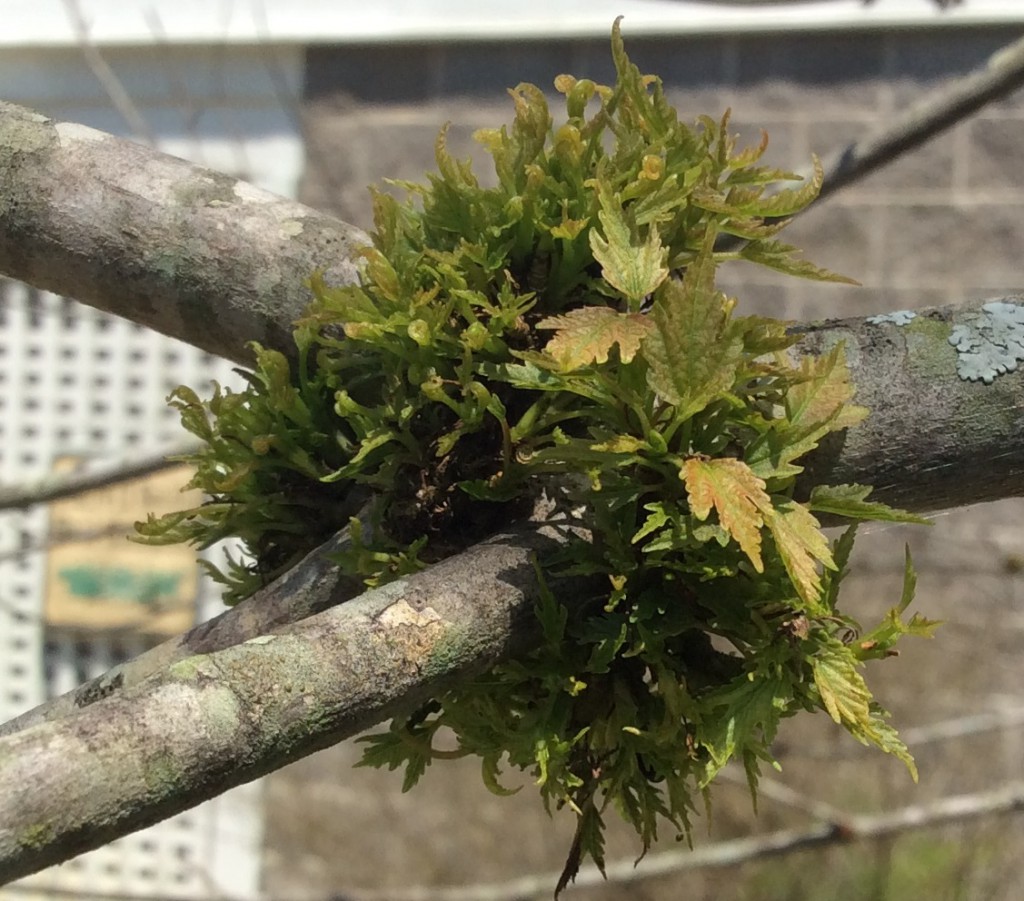
Have you ever browsed the pesticide aisle at a local garden center or farm supply store? Trying to find the right product for your plant disease, insect, or weed problem can be very confusing to the average consumer. Most gardeners are familiar with brand names such as Sevin, Roundup, Spectracide, Bayer Advanced, Bonide, and Ortho. …
-
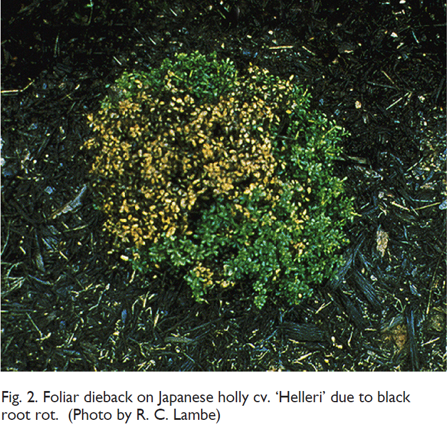
Japanese holly, Ilex crenata, are popular evergreen shrubs found in many residential and commercial landscapes. Unlike many other types of hollies, Japanese hollies do not have any thorns. Some of the more popular varieties include ‘Helleri’, ‘Compacta’, and ‘Soft Touch’. These slow-growing Japanese holly varieties produce dense, compact shrubs that require minimal pruning to maintain…
