Climate and Ag in the news
-

If you have heard the term “atmospheric river” you may think of them as plumes of very humid air that blow into the US West Coast, bringing flooding rain to locations in that part of the country. But the Southeast also has atmospheric river events, including the one that occurred this past weekend with the…
-
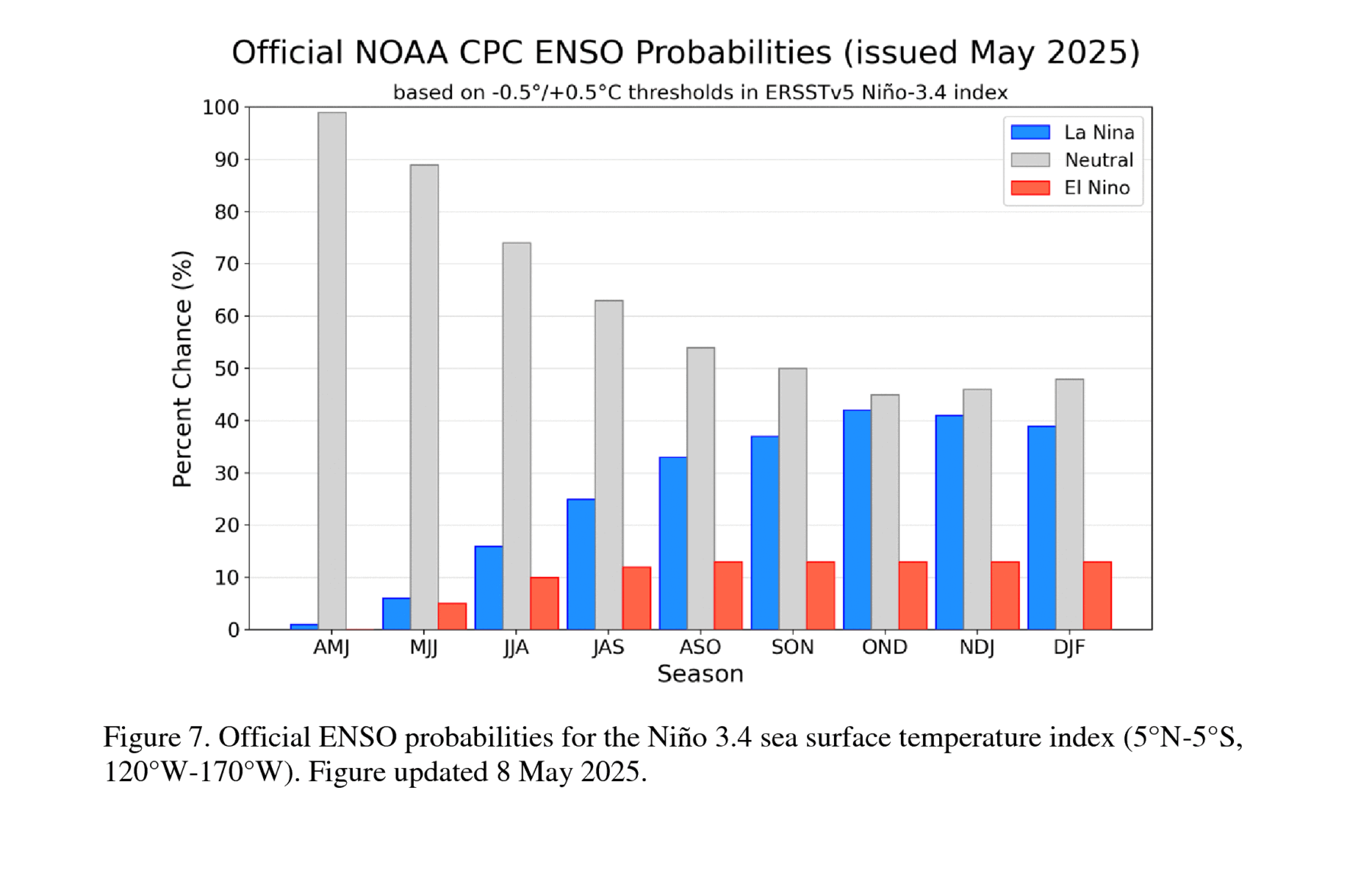
The latest ENSO advisory was released today by NOAA’s Climate Prediction Center. It shows that ENSO is expected to continue to be in neutral conditions through the summer although the chance of La Nina returning goes up later in the year. El Nino is also possible but much less likely than either neutral or La…
-

Here is a listing of recent stories on agriculture and climate in the Southeast that you might find interesting. Specialty Crop Grower: So Far, So Good: Florida Blueberry Harvests Strong Drovers Newsletter: Considerations for Feeding Cattle Through Drought IFAS: Heat Stress and its Impact on Cattle Reproduction Specialty Crop Grower: Planting Cotton Amid Worsening Drought…
-

I’ve been traveling this weekend to celebrate my mom’s 90th birthday up in Michigan, so am running a little behind. However, I do have a few stories to share with you that I have recently seen in the news of interest. Also included are a couple of hurricane YouTube videos that you might find informative.…
Posted in: Climate and Ag in the news, Climate science, Crops, Drought, Forests, Fruit, Tropical weather -

Watching satellite loops of hurricanes, dust storms, and other atmospheric events has become routine and I see daily examples on social media plus on broadcast television and online. But it was just 65 years ago that the first weather satellite was launched, just a couple of years after the USSR launched Sputnik in 1957. One…
-

If you watch a lot of disaster movies, you might sometimes wonder where they got information about the events that they used as the premise of the movies. Films like Volcano, Titanic, Twister and Twisters, Earthquake, The Day After Tomorrow, Deep Impact, and many others are based in some way on science, although some more…
Posted in: Climate and Ag in the news -

The regional climate centers, including the Southeast Regional Climate Center which provides a variety of weather and climate data as well as other services, are due to be shut down on April 17 due to the significant budget cuts to NOAA and the move away from climate services. Funding for the centers is working its…