
Paul Pugliese.

-
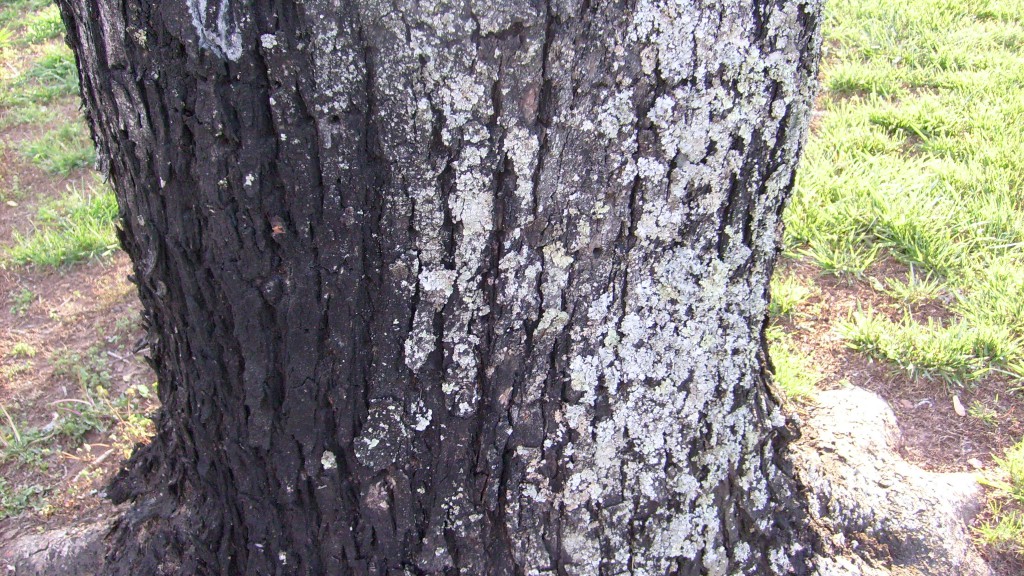
Sooty mold can be a very confusing plant disorder to troubleshoot for many backyard gardeners and commercial landscapers. Quite often small trees, shrubs, and flowers that have no obvious insect or disease problems can be completely covered by this mysterious black mold. Even more perplexing is the fact that the same varieties of flowers and…
-
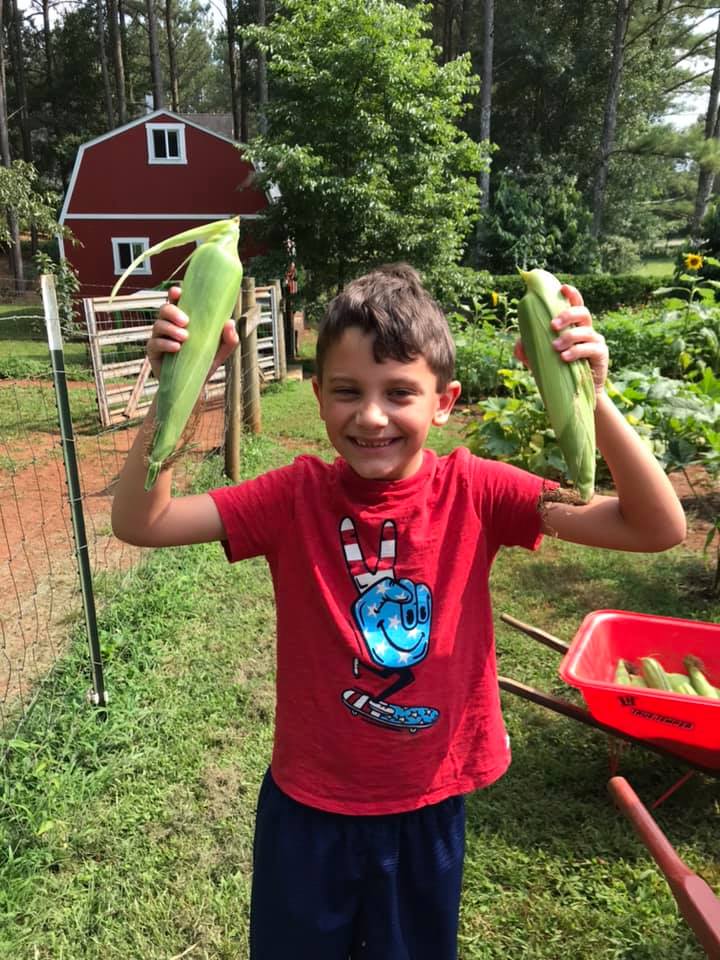
I may be a little biased, but I believe the best Father’s Day gifts are garden books, tools, gloves, seeds, or plants. Each of these items involves me and my son getting our hands dirty in the garden. The best gifts are the those that create lasting memories of planting or building something that we…
-
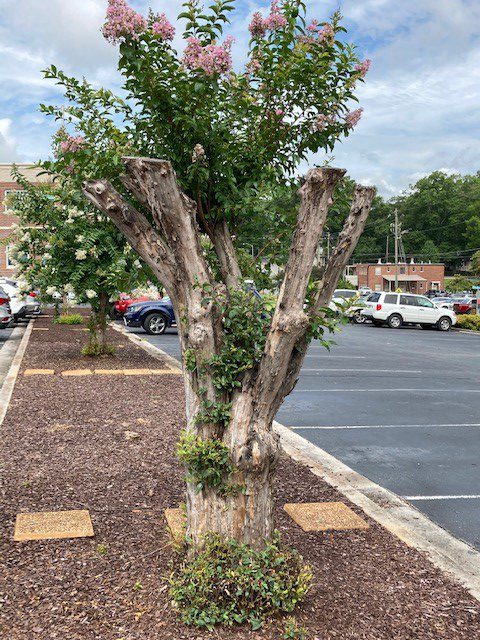
The crape myrtle (Lagerstroemia indica) is one of the most commonly planted ornamental trees for home landscapes and urban areas. By definition, crape myrtle is technically a small tree or large shrub. Crape myrtle is one of the most popular flowering shrubs/trees grown in Georgia because it provides abundant summer color with minimal maintenance. Crape myrtle…
-
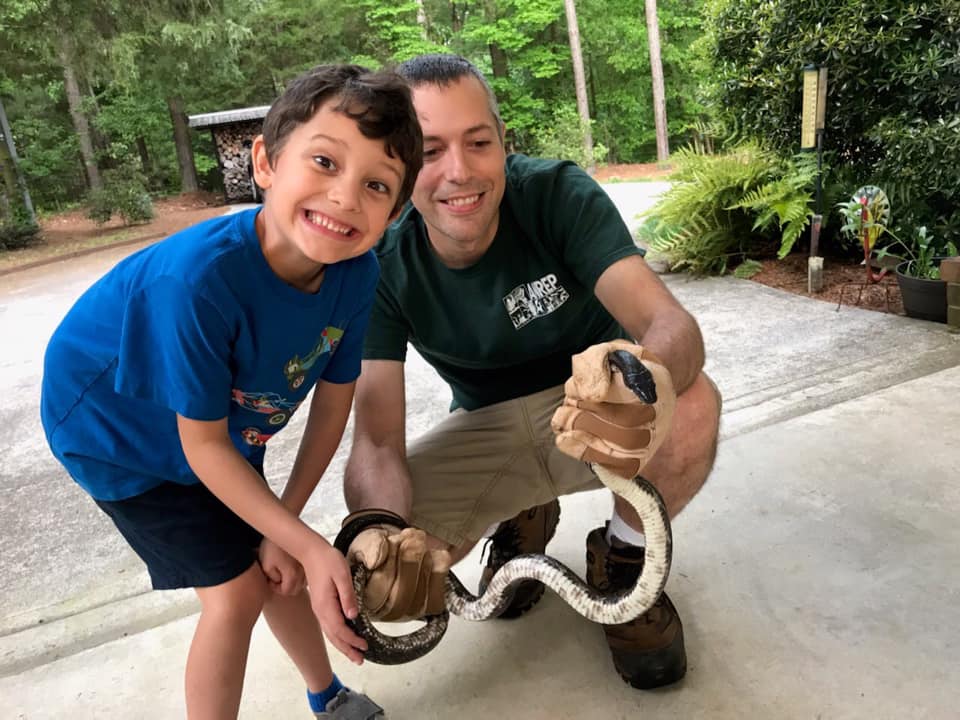
What would you do if you found a snapping turtle or a 6 ft. snake in your backyard? This time of year, we get many of these kinds of wildlife questions at the County Extension office. Reptiles are emerging from their winter slumber to find food and a future mate. It is interesting to note…
Posted in: Wildlife -
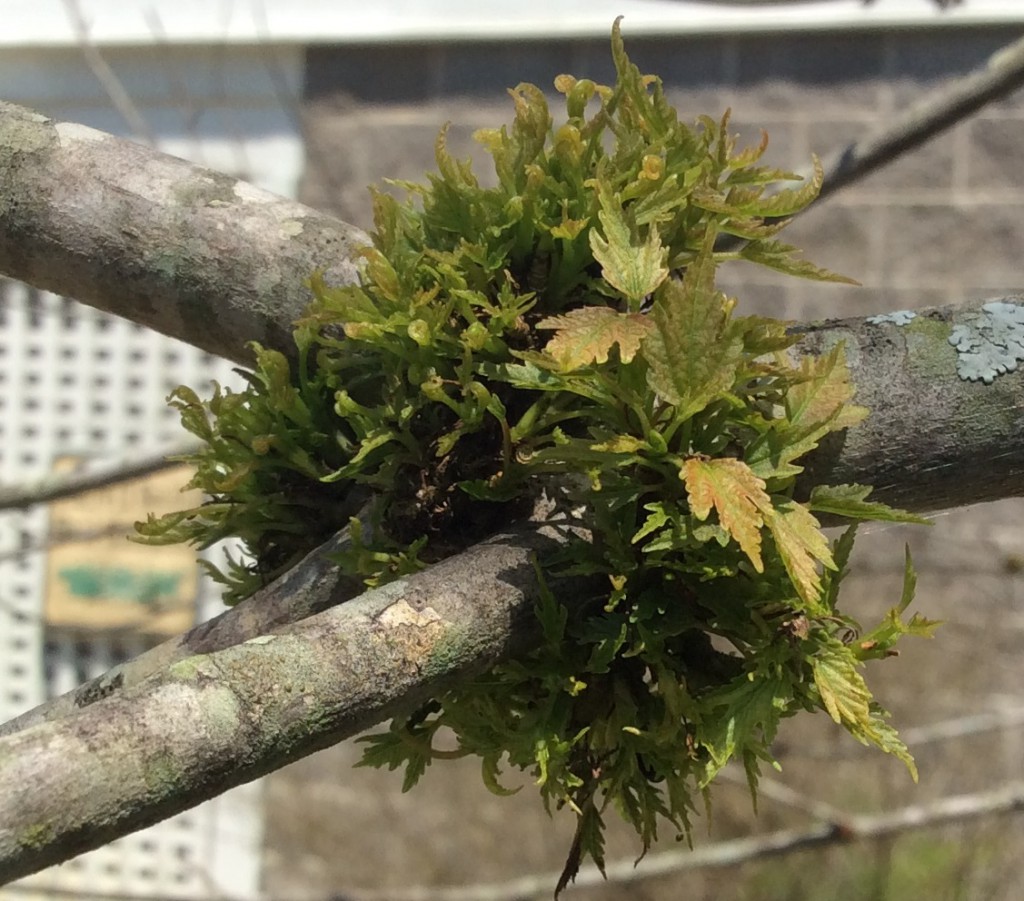
Have you ever browsed the pesticide aisle at a local garden center or farm supply store? Trying to find the right product for your plant disease, insect, or weed problem can be very confusing to the average consumer. Most gardeners are familiar with brand names such as Sevin, Roundup, Spectracide, Bayer Advanced, Bonide, and Ortho. …
-
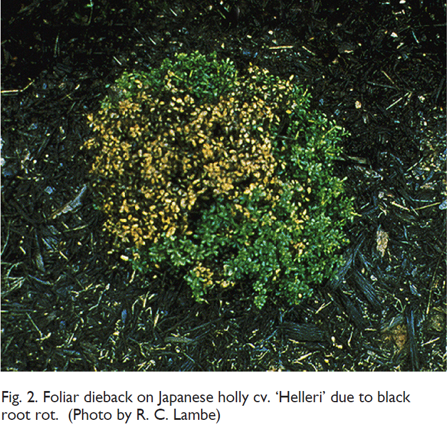
Japanese holly, Ilex crenata, are popular evergreen shrubs found in many residential and commercial landscapes. Unlike many other types of hollies, Japanese hollies do not have any thorns. Some of the more popular varieties include ‘Helleri’, ‘Compacta’, and ‘Soft Touch’. These slow-growing Japanese holly varieties produce dense, compact shrubs that require minimal pruning to maintain…
-
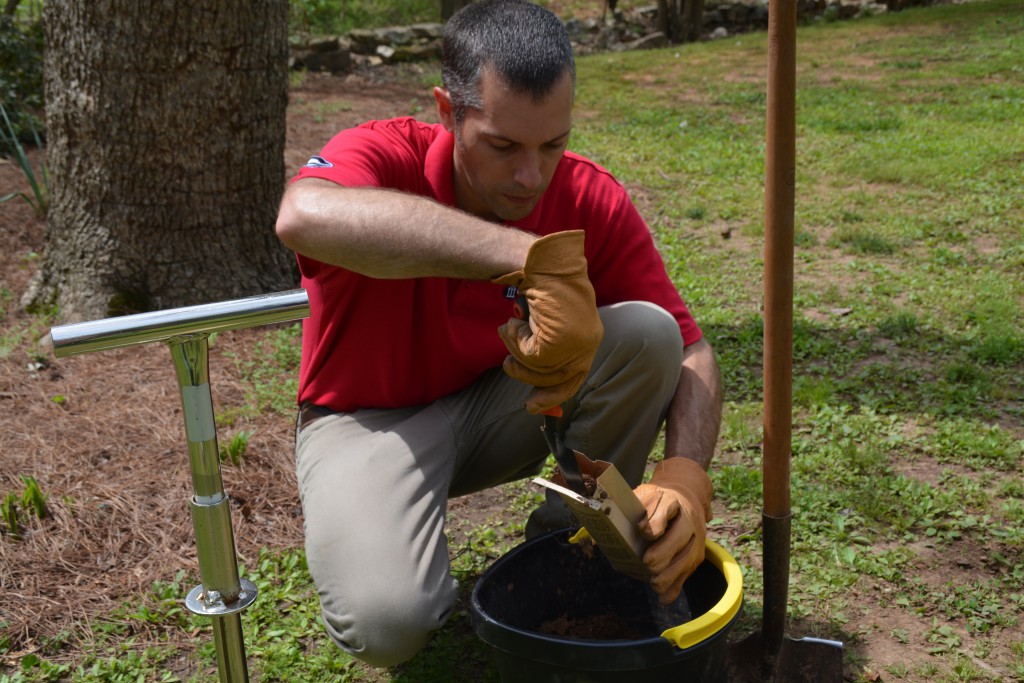
This is the time of year that everyone is asking about how and when to fertilize their pastures, lawns, and gardens. My favorite request is “could you come out to my house and look at my lawn or pasture and tell me why I can’t grow anything?” I’ve looked at many pastures, lawns and gardens…
-
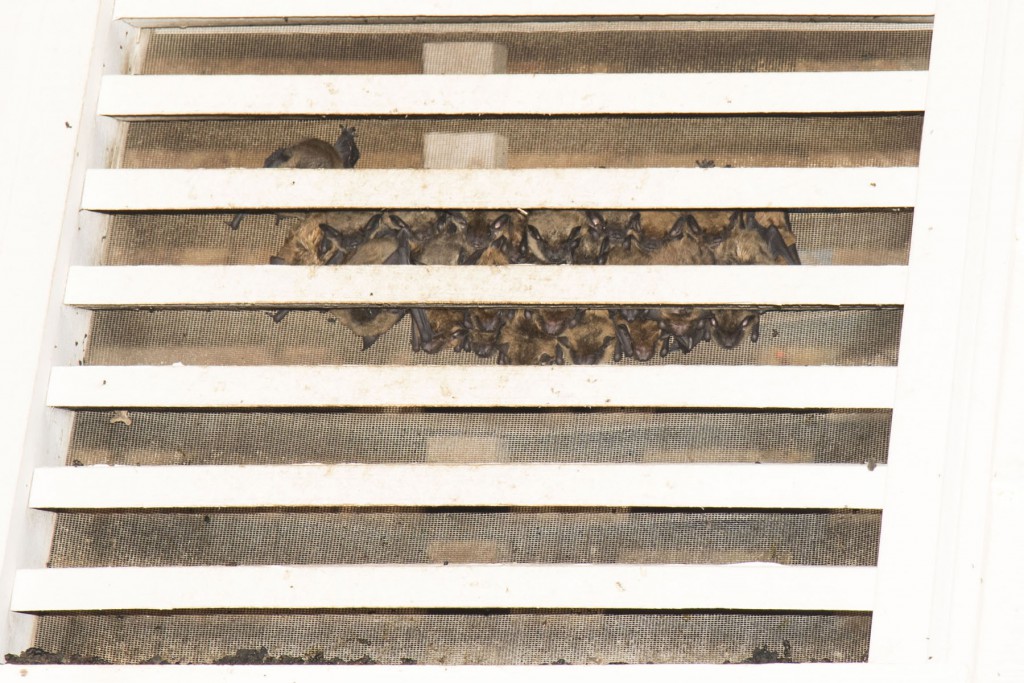
Nearly 1,000 species of bats are known throughout the world, and approximately 40 species inhabit the United States. Bats are beneficial because they are efficient predators of insects. A single bat, for instance, may consume as many as 2,000 insects every night. Because flying insects are not active during the winter months, bats must either…
-
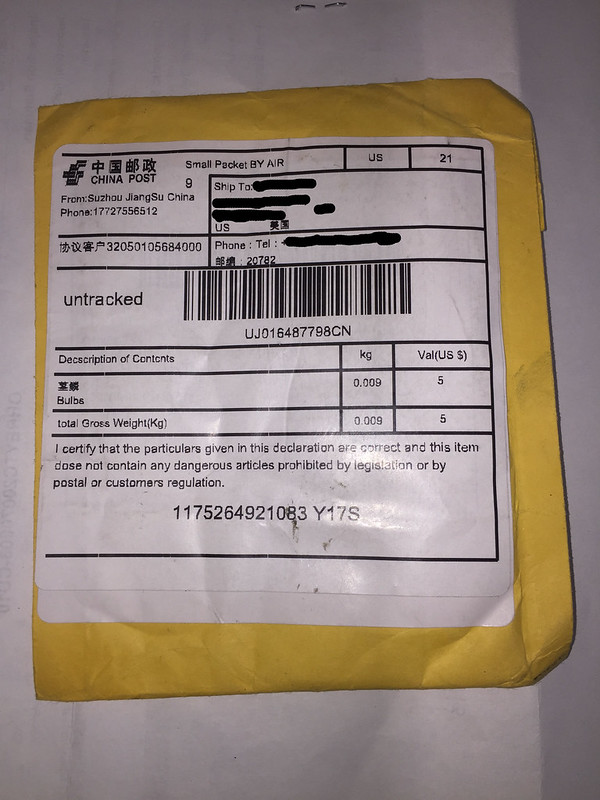
People across the country have received unsolicited packages of seeds. The packages are being sent by mail and may have Chinese writing on them. The Georgia Department of Agriculture has been notified that numerous Georgia residents have received unsolicited packages containing seeds that appear to have originated from China. The Bartow County Extension office has…
-
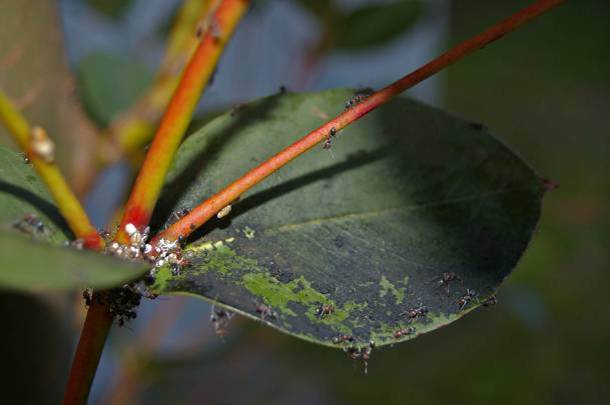
Every summer, we receive calls about ants getting into vegetable gardens and crawling all over people’s plants. In particular, okra and southern peas seem to be a common problem for nuisance ants. Ants are attracted to the sugary nectar produced in flowers and may also be attracted to other sap-feeding insects such as aphids, if…