Extension agent outreach
-

Rome Ethredge reported in the Seminole Crop E News blog that some farmers in southwest Georgia are starting to plant sweet corn, although field corn has not been planted yet. He noted that at their corn meeting this past week Dr. Dewey Lee, UGA grains scientist, said that 2 inch soil temperatures had to be…
-
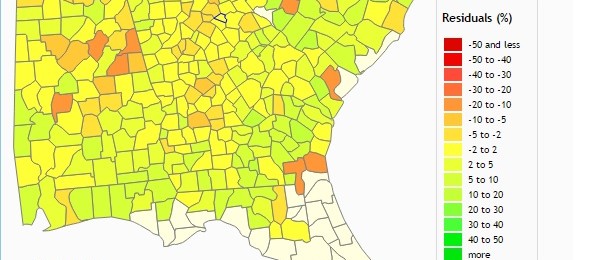
I spent the day down in Tifton attending the UGA Cotton Growers Workshop and Cotton Association meeting. Lots of good information and interesting people to talk to! I presented two sessions on the climate of 2014 and the outlook for 2015. I’ve posted my summary for 2014 on this blog already, but let me briefly…
-
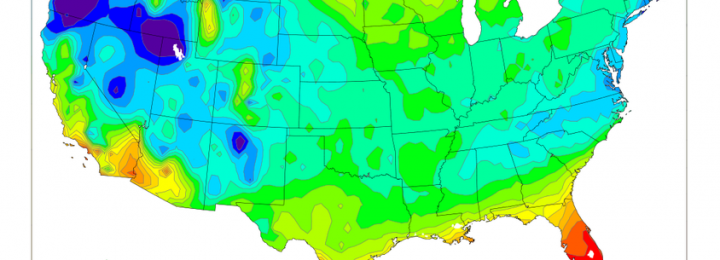
Winston Eason of Clayton County wrote me this morning asking about finding maps for average chill hours for a class he is teaching on backyard fruit trees and orchards. So far I have not been successful in finding a Georgia-specific map on average chill hours, but I did run across several other sources of information…
-

Rome Ethredge of Seminole County noted in a recent blog posting that he is seeing some damage to small grains due to the cold temperatures we had earlier in the month. Most of the damage is due to leaf damage since the heads have not emerged yet. The worst damage is most likely to be…
-
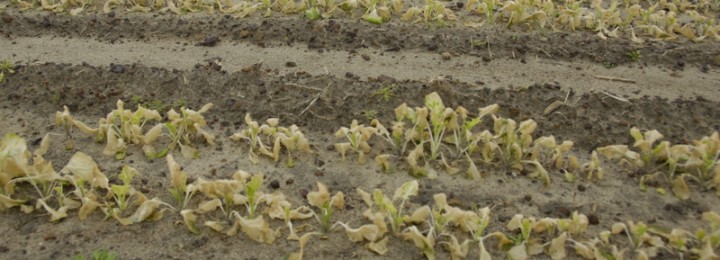
Rome Ethredge reported in the Seminole Crop E News this week that cold has damaged a lot of Canola and Carinata in southwest Georgia. Temperatures got down to 18 degrees a week ago and he says now is a good time to assess the damage. If the frost got down to the growing point, then…
-
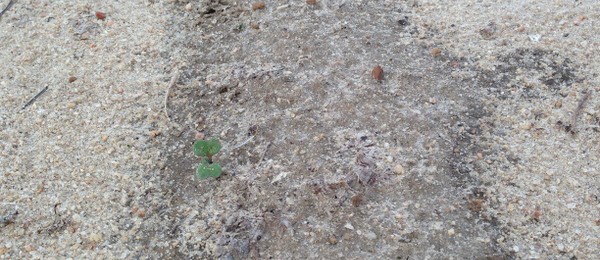
Rome Ethredge reported on Friday in his blog, Seminole Crop News, that canola is having trouble getting established this year in some areas. In fields that were planted just before heavy rains, a crust developed and prevented some seedlings from forcing their way out. Instead the stems are swelling or growing downwards. Cold temperatures are…
-
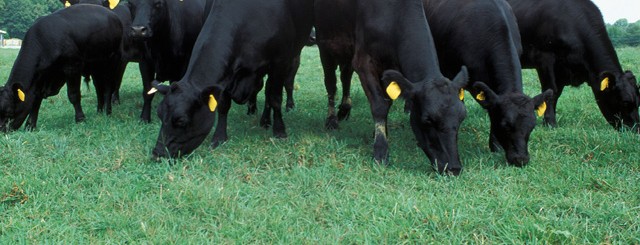
The Southeast Cattle Advisor recently published a newsletter article describing the economic benefits of grazing cool season annual forages as a way to reduce the costs of feeding. You can read the article here. They show that providing cool season annual forage can be a cost-effective way to reduce winter feeding costs for cattle, depending…
Posted in: Extension agent outreach