Trees
-
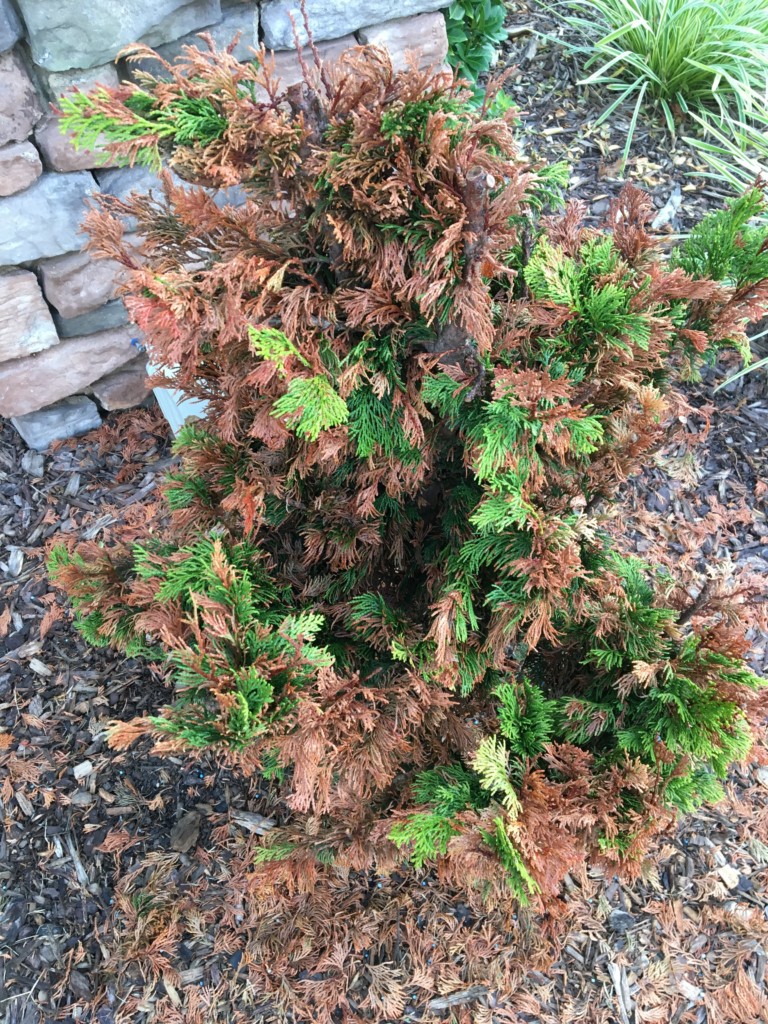
As a general rule, anytime a tree or shrub dies within the first year of planting, there is usually a root issue involved. Spring planted trees and shrubs are generally more stressed from summer heat, since their roots are still underdeveloped during the first year. This results in excessive wilting, which causes well-intentioned gardeners to…
-
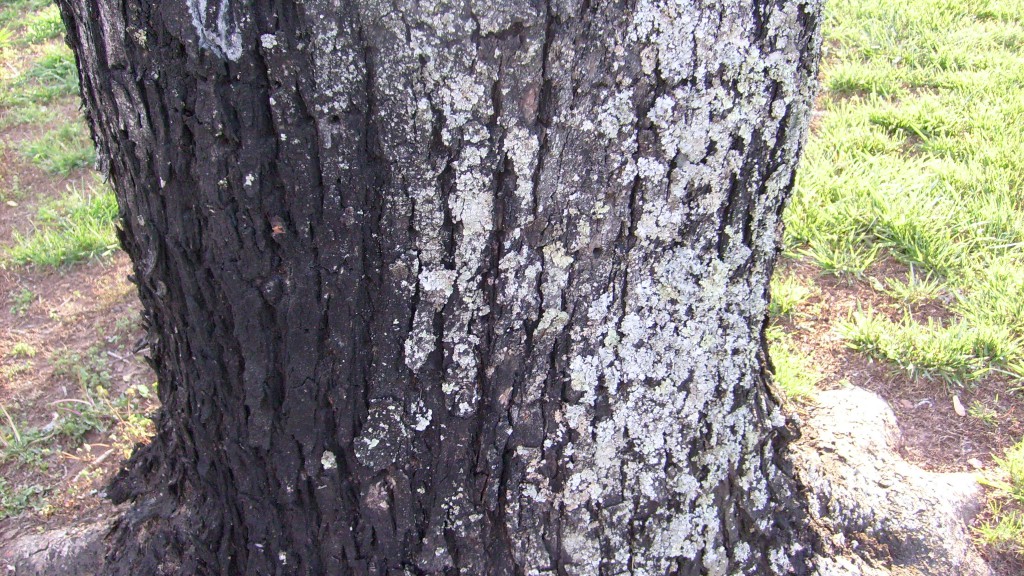
Sooty mold can be a very confusing plant disorder to troubleshoot for many backyard gardeners and commercial landscapers. Quite often small trees, shrubs, and flowers that have no obvious insect or disease problems can be completely covered by this mysterious black mold. Even more perplexing is the fact that the same varieties of flowers and…
-
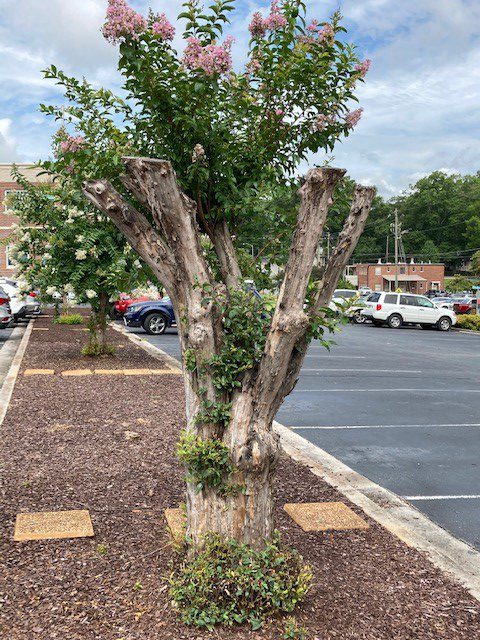
The crape myrtle (Lagerstroemia indica) is one of the most commonly planted ornamental trees for home landscapes and urban areas. By definition, crape myrtle is technically a small tree or large shrub. Crape myrtle is one of the most popular flowering shrubs/trees grown in Georgia because it provides abundant summer color with minimal maintenance. Crape myrtle…
-
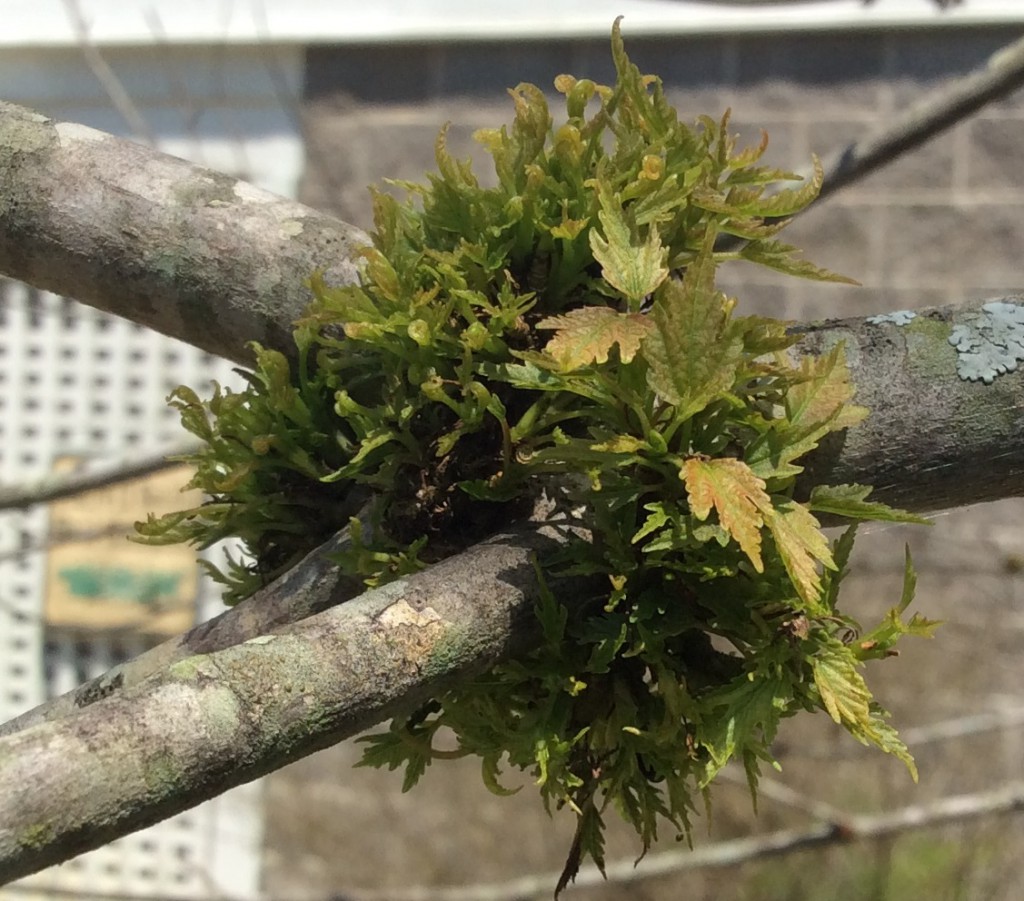
Have you ever browsed the pesticide aisle at a local garden center or farm supply store? Trying to find the right product for your plant disease, insect, or weed problem can be very confusing to the average consumer. Most gardeners are familiar with brand names such as Sevin, Roundup, Spectracide, Bayer Advanced, Bonide, and Ortho. …
-
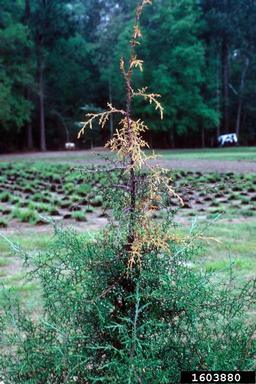
The most important part of landscape disease management is identifying the problem. Eighty percent of all plant disorders are the result of the inability of a plant to adapt to its environment. Knowing the problem, whether it is stress related and/or disease related, begins with being able to correctly identify the plant. Read the entire…
-
-
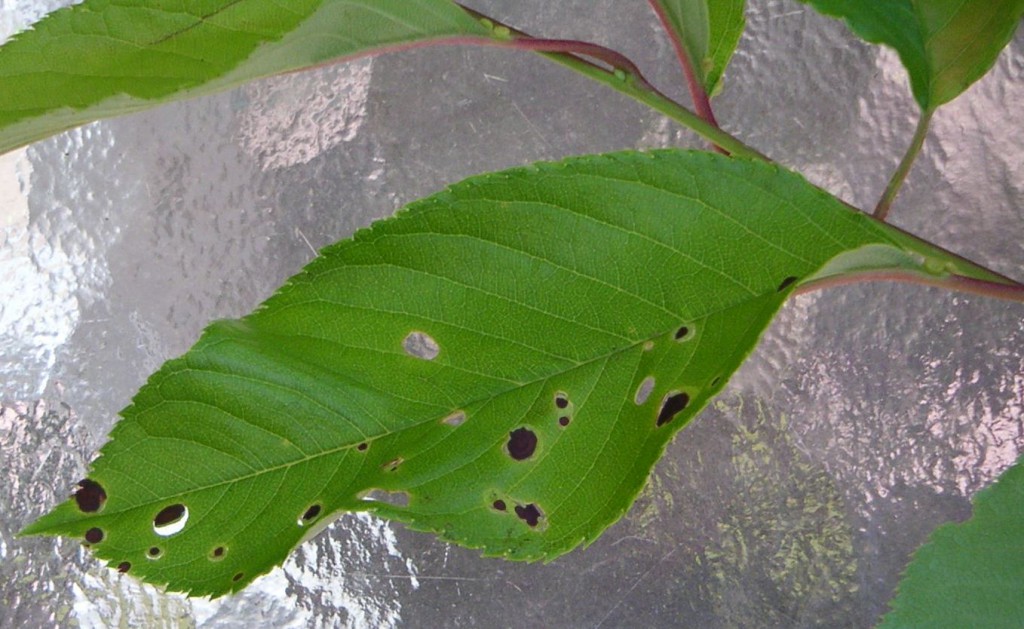
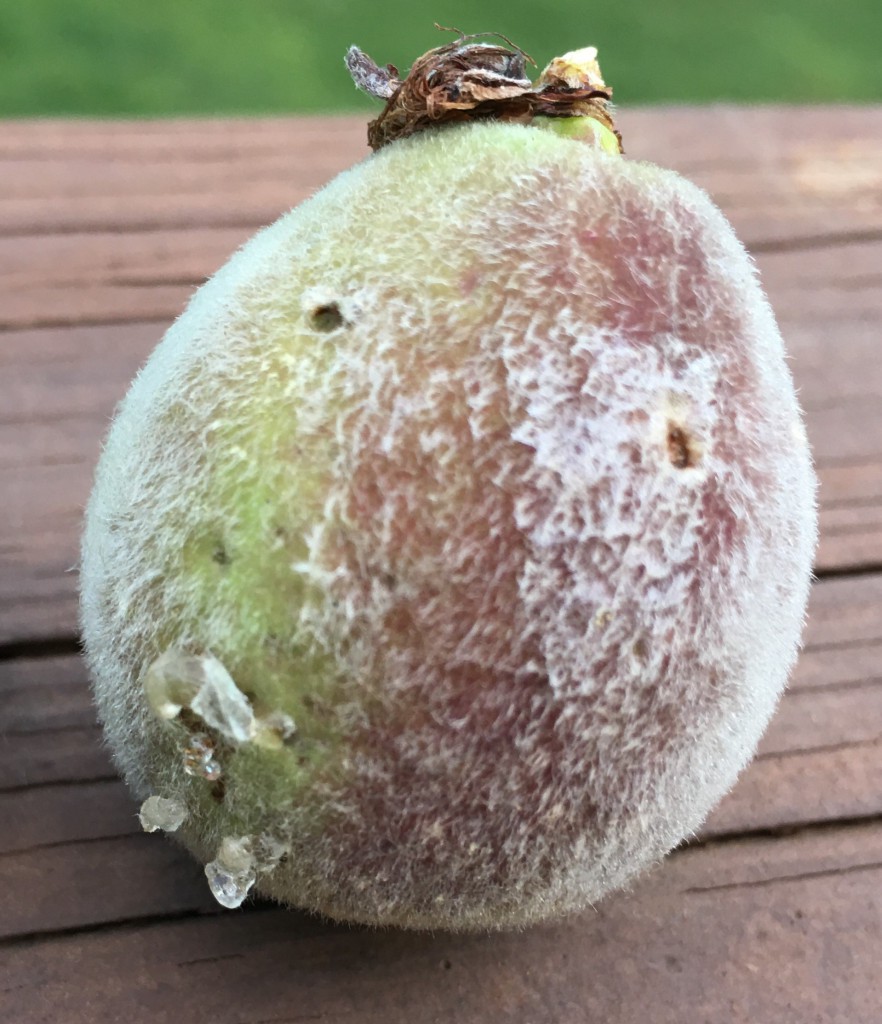
Every summer, we receive a lot of calls about holes in the leaves of ornamental cherry trees and other related fruit trees. Generally, when you think of holes in the leaves of a tree, you automatically assume that it was caused by some sort of chewing insect such as a beetle or caterpillar. Although these…