
Landscaping
-
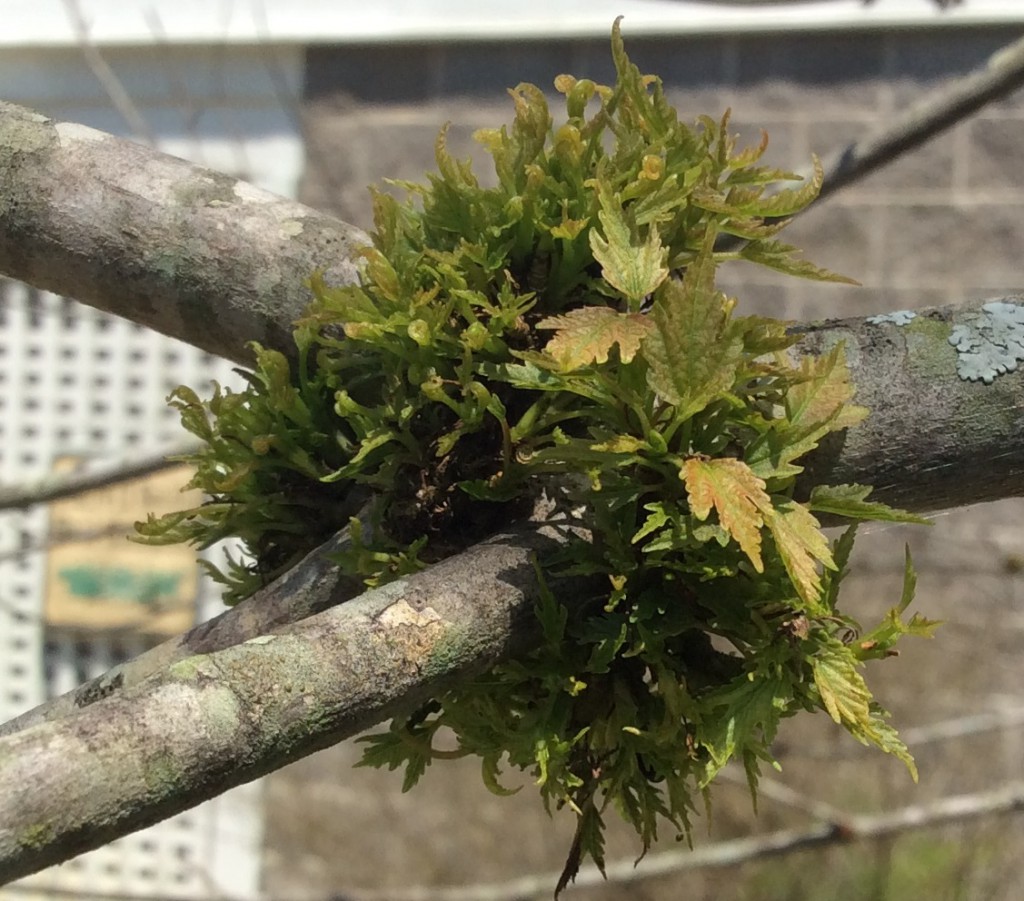
Have you ever browsed the pesticide aisle at a local garden center or farm supply store? Trying to find the right product for your plant disease, insect, or weed problem can be very confusing to the average consumer. Most gardeners are familiar with brand names such as Sevin, Roundup, Spectracide, Bayer Advanced, Bonide, and Ortho. …
-
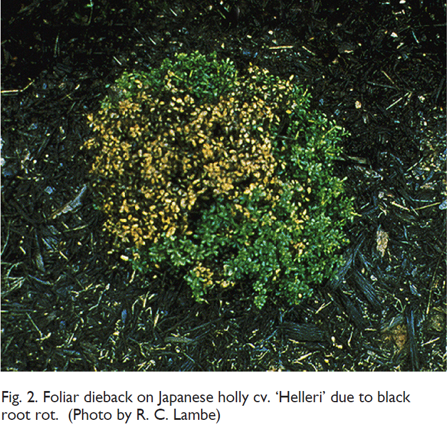
Japanese holly, Ilex crenata, are popular evergreen shrubs found in many residential and commercial landscapes. Unlike many other types of hollies, Japanese hollies do not have any thorns. Some of the more popular varieties include ‘Helleri’, ‘Compacta’, and ‘Soft Touch’. These slow-growing Japanese holly varieties produce dense, compact shrubs that require minimal pruning to maintain…
-
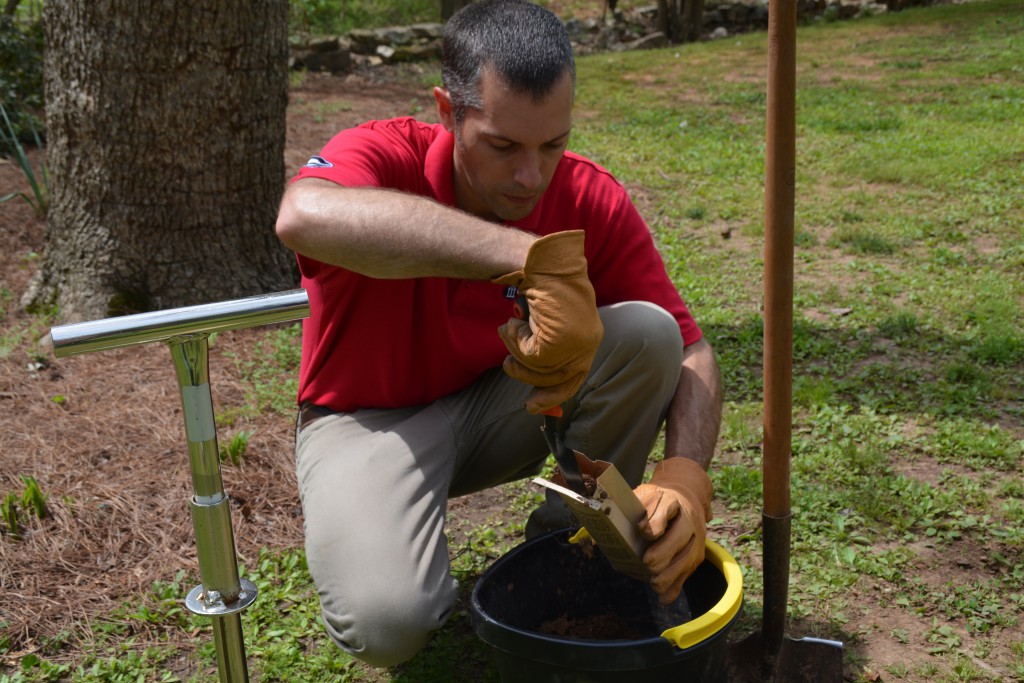
This is the time of year that everyone is asking about how and when to fertilize their pastures, lawns, and gardens. My favorite request is “could you come out to my house and look at my lawn or pasture and tell me why I can’t grow anything?” I’ve looked at many pastures, lawns and gardens…
-
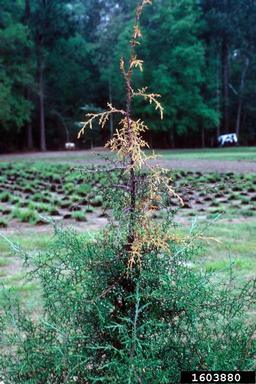
The most important part of landscape disease management is identifying the problem. Eighty percent of all plant disorders are the result of the inability of a plant to adapt to its environment. Knowing the problem, whether it is stress related and/or disease related, begins with being able to correctly identify the plant. Read the entire…
-
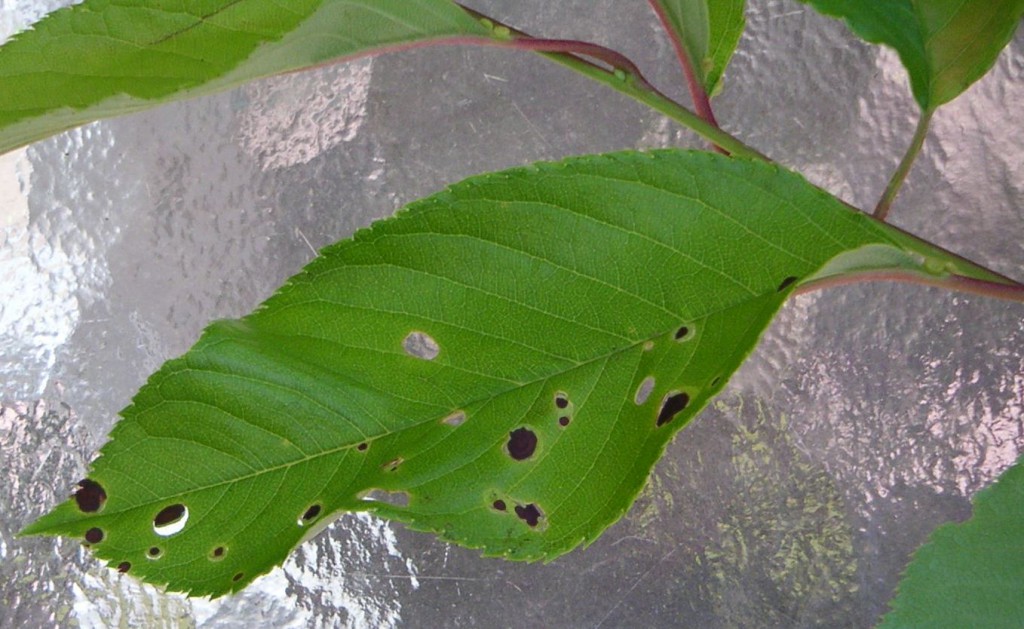
Every summer, we receive a lot of calls about holes in the leaves of ornamental cherry trees and other related fruit trees. Generally, when you think of holes in the leaves of a tree, you automatically assume that it was caused by some sort of chewing insect such as a beetle or caterpillar. Although these…
-

Now is the time to add a blanket of mulch to perennial flowers and shrubs. Maintaining a mulch layer at least 3 inches deep will significantly reduce weeds and help newly planted trees and shrubs get established and stay healthy. Read the entire article on CAES Field Report
-
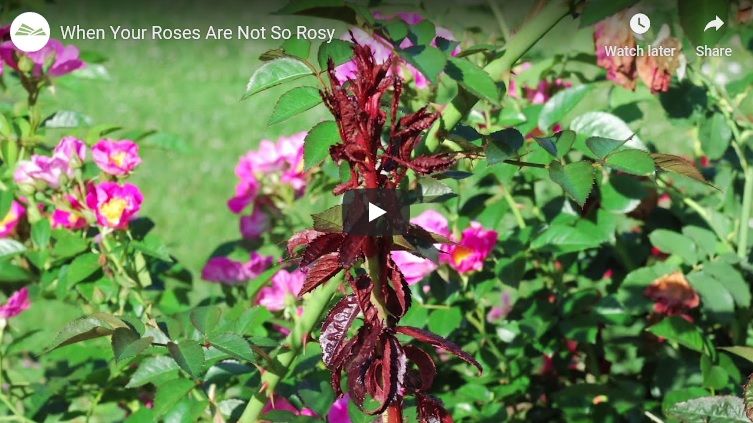
If you grow roses in Georgia, you need to be aware of a common problem known as rose rosette virus. This is actually an old virus that’s been around since the 1940s, but really wasn’t actually identified as a common problem until around 2011 is when pathologists actually confirmed that this was an issue.
-

This presentation is geared toward certified arborists, landscapers, master gardeners, and home gardeners that commonly use phenoxy herbicides for lawn weed control. This particular presentation focuses on the potential for phenoxy herbicides to affect non-target trees and woody ornamentals in landscape settings due to poor application choices by professionals. This is an issue that is…
-
Many clients contact their local University of Georgia Cooperative Extension office frustrated with grasses taking over their flower beds or vegetable gardens. A common phone call might involve Bermuda grass taking over a bed of juniper ground cover or daylilies. And, if you’ve ever tried to pull Bermuda grass out by hand, you quickly learned…
-

Fall and early winter are the best time to relocate large trees and shrubs. Moving established plants from one location to another can change your landscape without costing you money. Read the entire article on CAES Field Report