Livestock
-
A new update on the pasture mealybug (Heliococcus summervillei) has been published by the UGA Beef Team. The pasture mealybug is an emerging pest that can cause significant damage to warm-season grasses. The pasture mealybug was first officially reported in Texas in 2025 and can cause yellowing, stunted growth, browning, and potentially severe loss of…
-
The UGA Warnell School of Forestry and Natural Resources has published an important update on the return of New World screwworm (Cochliomyia hominivorax) to the United States. New World Screwworm is a serious livestock and wildlife concern because, unlike ordinary blowflies, the larvae feed on the living tissue of warm-blooded animals. This includes livestock, pets,…
-
Perilla mint (Perilla frutescens) also known as the Beefsteak Plant, is an invasive annual weed that poses a serious threat to livestock in pastures throughout the southeastern United States. Originally introduced from eastern Asia for culinary, ornamental, and medicinal purposes, the plant has become widely established in natural areas, hayfields, and grazing lands. While it…
-
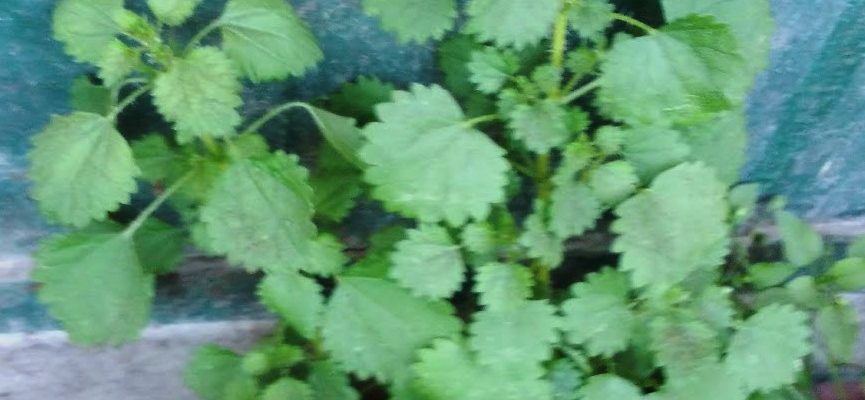
Each winter and spring, we get questions about a weed seen growing around pastures and livestock barns that causes a painful, burning irritation to the skin if touched. This weed is called stinging nettle. Stinging nettle (Urtica chamaedryoides) is a winter annual weed that is commonly seen in late winter and early spring. It can…
-
UGA forage specialist Dennis Hancock recently updated us on hay issues that have been occurring throughout the state. Below are some comments from Dennis on moldy hay. “Because of the wet fall, many producers have faced extremely difficult field curing conditions for their hay. Additionally, hay that was bone dry in the field has, in…