-
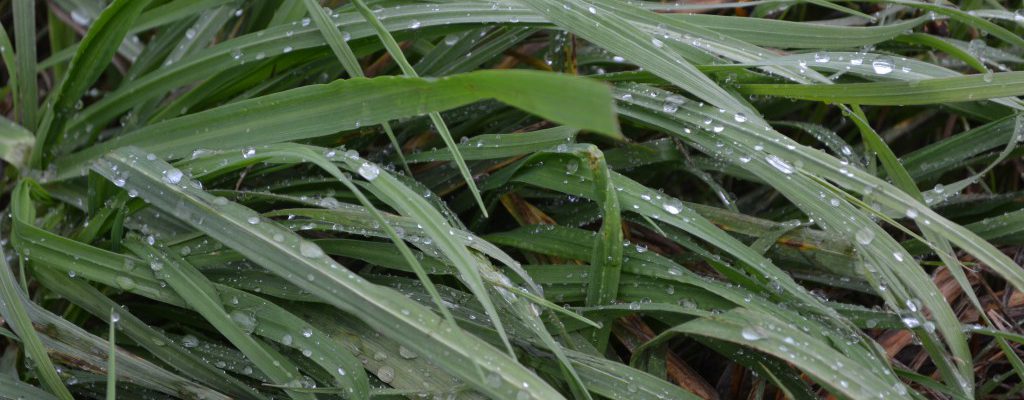
Earlier this year, Matt Poore, cattle farmer, Professor and Extension Ruminant Nutrition Specialist made a New Year’s resolution to convert acres of toxic tall fescue to novel endophyte fescue on his farm. I jumped on the bandwagon and made the same resolution. Even though the non-toxic seed that completes these fescue conversions won’t go in…
-

Thistles can reduce forage yield and delay spring transition of warm season grasses. Thistles can produce large amounts of seed, sometimes up to 4,000 seed per plant. For growers trying to manage the seed bank, please implement control strategies before flowering. Several different thistles are found in pastures, which can include Bull thistle (Carduss vulgare), Musk…
-
While not always on the forefront of our mind, mold in hay can be a problem for livestock. Particularly in years like 2021, where we have had a lot of moisture and humidity during harvest. Not only did the wet summer we had increase our chances of mold, but it made producing quality hay more…
-
Using oats as grazing and/ or baleage can sometimes be challenging however; in most years, oats can one of the healthiest and best options for our livestock. Some (most) years, UGA Extension gets calls concerning oats that are discolored, not growing great, or sometimes even dying. Unfortunately, there isn’t always a great answer for why.…
-

There are often many questions surrounding the practice of burning pastures and hayfields. Let’s look at the more frequently asked. Is it a good idea to burn my hayfield? There are several benefits to burning your hayfield. Burning can help producers manage thatch in their stands. If the thatch layer becomes too thick over time,…
-

Potassium is an essential element in plants and is considered one of the three macronutrients, along with nitrogen and phosphorus. The amount of K is reported in almost all routine soil samples. Unfortunately, with price increases, it has gone from being the least expensive to the most expensive of the three macronutrients. Ignoring the importance…
-
(Part I of this series article can be found in the March 2021 edition of the Forage Team Newsletter.) Conversion of toxic Kentucky-31 pastures and hayfields to a non-toxic, novel endophyte variety represents one of the most financially beneficial decisions available to livestock producers in areas where tall fescue is adapted. Research, over many years…
-
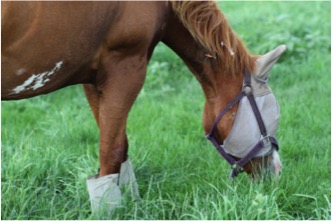
As a horse owner & County Extension Agent, I hope that you will find value in my mixture of “by the book recommendations” and personal experience. One thing I would like to encourage horse owners and trainers to do is engage with their local Extension Agent. Pasture management, it seems, has a different meaning for…
-

Baled silage, or “baleage,” is an excellent way for livestock producers to harvest, storage, and feed forage. Feeding baleage is much different than feeding hay due to the higher moisture content. This higher moisture content makes it much more susceptible to deterioration. Let’s discuss some ways to decrease waste during the feeding of your baleage.…
-
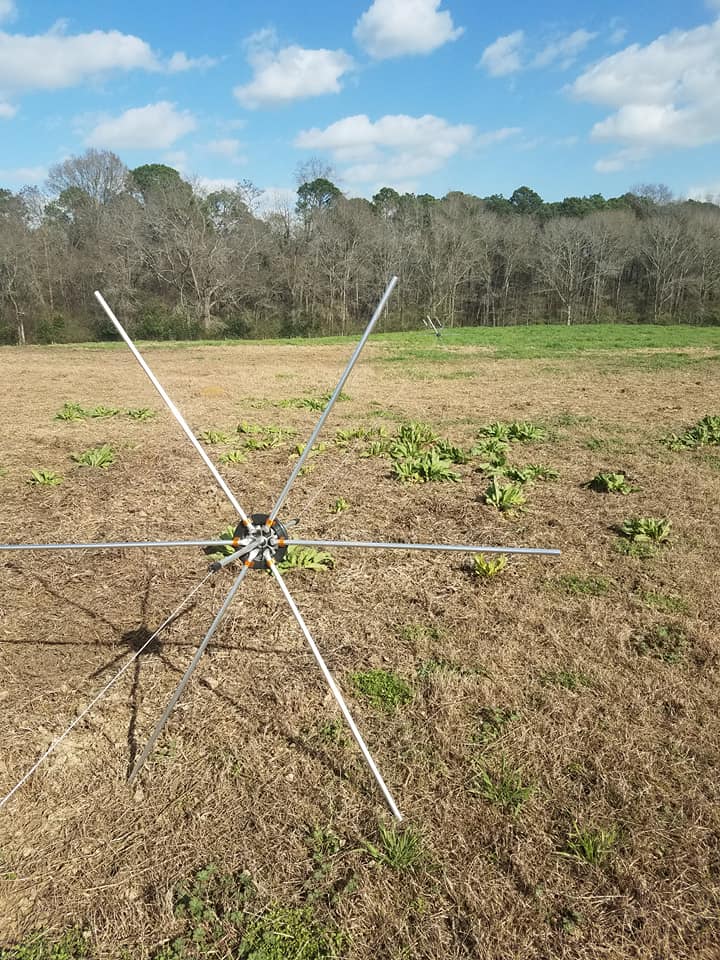
The fact that rotational grazing systems are a more efficient use of forages than continuous grazing should not be a novel idea. Years of research have proven that giving forages ample time to rest and recuperate between grazing times, produces more, higher quality yield. Installing a rotational grazing system is not quite as easy as…