-

A webinar on the impacts of droughts on urban forests is scheduled for Tuesday, July 25 at 2 pm EDT. It is being offered by the US Forest Service. You can get more information on it at https://www.climatewebinars.net/webinars/drought-urbanforests. A brief description is shown below. Preregistration is not required. Recent droughts have caused stress and mortality in…
-

The persistent ridge of high pressure across the western US has helped to set up serious drought conditions in the north central part of the country. As a result, cattle producers are being forced to sell their cattle since it is difficult for them to find food. Familiar story? This summer’s weather pattern has been…
-
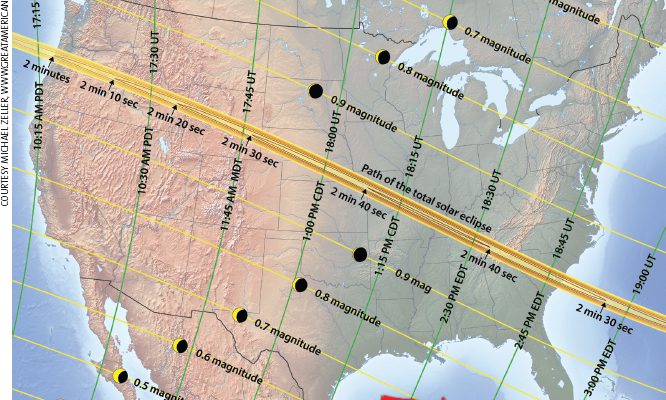
I’ve already posted some information on the solar eclipse that will occur on August 21 across the US on this blog, but you might find this WeatherWise magazine article interesting because it describes the eclipse in more detail and discusses the weather impacts on viewing as well as how the eclipse might change the local…
-
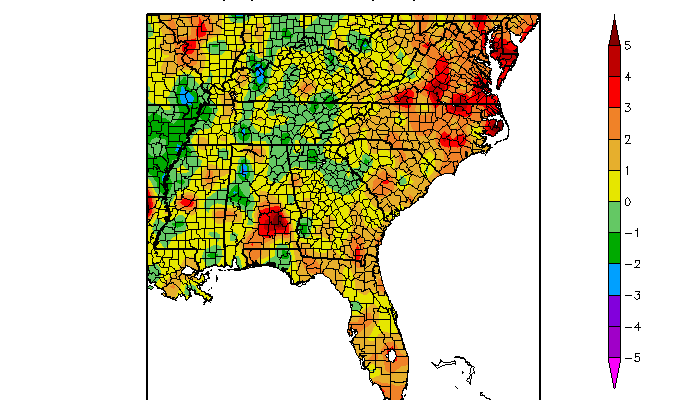
With half of July in the bag, the climate so far has been quite variable, but overall the region is warmer than normal in temperature and slightly wetter than normal in precipitation. The only part of the region that has been cooler than normal is northern Georgia and northeast Alabama, where precipitation is also above…
Posted in: Climate summaries -
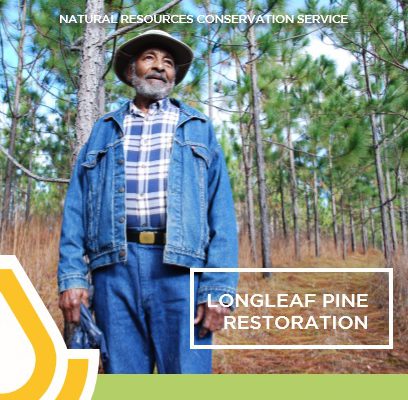
The National Resources Conservation Service has released a new implementation strategy for longleaf pine restoration that has some useful resources for foresters. It describes the importance of longleaf pine communities in keeping ecosystem diversity and discusses plans for how to maintain and improve longleaf pine forests. You can read more about it at https://www.americaslongleaf.org/ with…
-

Those of you who like weather pictures and knowing about unusual weather phenomena probably already know what a “green flash” is, but for those who don’t, a green flash is an optical phenomenon that occurs at sunset when the setting sun may momentarily look green due to the refraction of the sun’s disk by the…
-
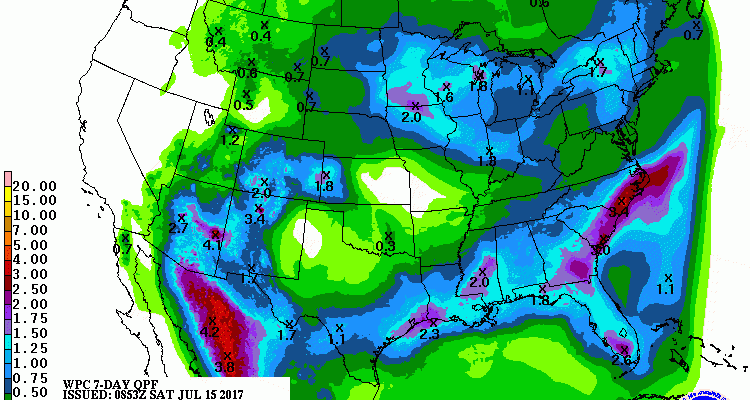
The latest 7-day QPF forecast shows that seasonal rains should fall on many areas of the Southeast, with the wettest areas to the south and drier conditions to the north, particularly in Virginia. Just what thirsty plants need to keep growing! The heaviest rain will come in the next three days with lighter amounts later…
Posted in: Climate outlooks