-

The recent very hot and dry weather has provided some relief from certain crop diseases this year but has made other diseases more likely. Bob Kemerait of UGA discusses how the current conditions are affecting crops now and what diseases are most likely. He provides some guidance for what treatments to apply and what can…
-
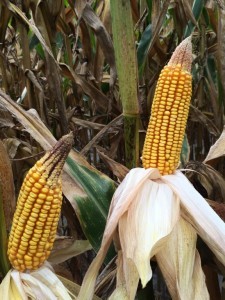
The long string of dry days combined with very high temperatures has put the corn crop in parts of the Southeast at risk. In many places there has been no rain since May 12, and while some crops like peanuts and cotton have less need of rain now, corn is at a critical stage which…
-
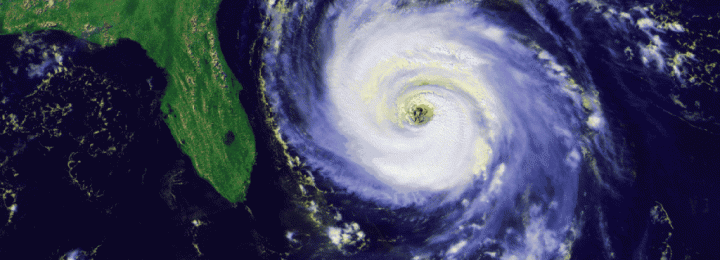
A recent study published in the journal Nature and described in the Daytona Beach News-Journal showed that in coming years the east coast of the US may become more vulnerable to devastating hurricanes because of an expected decrease in wind shear over the region, which could allow hurricanes to intensify more quickly. That, along with…
-

With just a few days left in May, the month-to-date maps show that the whole region was warmer than normal, in some cases more than six degrees hotter than average. Precipitation across the region varied, with the wettest area in mid-southern Florida and the driest area in eastern North Carolina.
Posted in: Climate summaries -

The journal Nature posted a story this week provides maps which compare the present Köppen-Geiger climate classification to what is expected in the time period from 2071-2100. The Köppen-Geiger classification is based on a combination of number of months above certain temperature thresholds and how much precipitation a location gets. Changes in the Southeast are…
-
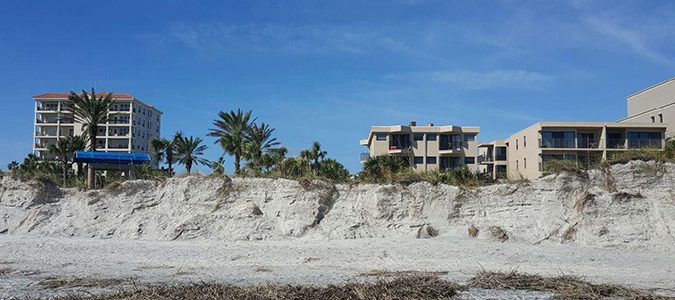
Months after Hurricane Michael came onshore in the panhandle of Florida, many homeowners have barely begun to rebuild. This is due to a combination of lack of building materials and workers plus delays in getting relief money to the region. Driving through the region you can see many homes flattened by the waves and wind…
-

Very few people dispute that the earth’s climate is changing, and most also admit that the changes are due to human influences like adding carbon dioxide, methane and other gases to the atmosphere (along with other man-made changes due to land use like urbanization and natural changes due to oceans, solar radiation, and volcanic activity).…