Crops
-
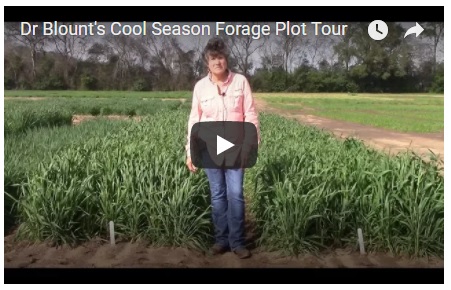
The Panhandle Ag Extension team recently produced a video which describes cool season forage production issues this year. According to their web site, “This video highlights the differences in cool-season forage types and varieties on February 15, 2018, that were planted November 1, 2017. The challenging weather this season ( very limited moisture from October…
-

Vegetable Growers News posted a story highlighting the development of blight caused by Phytophthora infestans, which affects tomatoes and potatoes and which thrives under cool and wet conditions. According to the story, “Temperatures between 50 and 80 F combined with moist conditions such as rain, fog, heavy dews, or relative humidity above 90 percent are conducive for…
-

The Panhandle e-News blog from northern Florida posted a useful article this week on management of cool-season forages. This is particularly challenging this year following a late start last fall and the cold weather conditions this winter. It includes an interesting photo comparison of crop conditions for ryegrass planted at three different times during the…
-
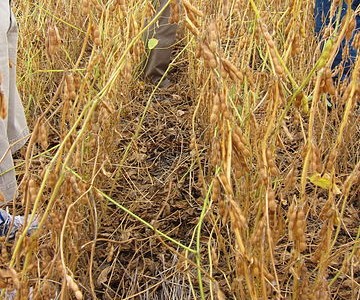
According to the NASDAQ newsletter, a heat wave in Argentina has increased stress on corn and soybeans already being threatened by drought in South America. Fortunately, a wet start to the growing season has so far limited the worst consequences of the drought, but if they don’t get more rain soon, yields are going to…
-
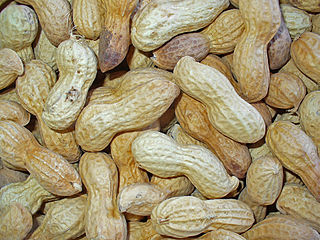
Peanuts are a great crop for Southeastern farmers because of their value in the market. Here is an interesting story from Southeast Farm Press about how some farmers in northern Alabama (outside the usual peanut area) are now growing peanuts as part of a regular rotation, even in dryland fields. As you can imagine, the…
-

UF/IFAS published an article by Michael Mulvaney this week discussing the kinds of considerations producers need to make when planning for this year’s growing season. While most of the things to think about, he does mention that in the predicted climate we are expected to have in March through May, with above-normal temperatures more likely…
-
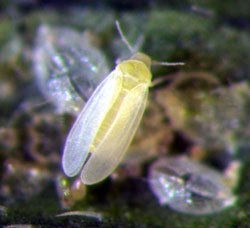
The last two years have been very bad for whiteflies in the Southeast. This is due in part to the very mild winters that we have had, which allowed the flies to overwinter easily in crop remains that were left in the fields as well as in native species and winter crops. This year has…