Crops
-
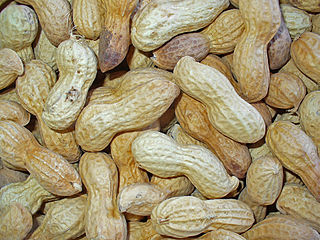
Peanuts are a great crop for Southeastern farmers because of their value in the market. Here is an interesting story from Southeast Farm Press about how some farmers in northern Alabama (outside the usual peanut area) are now growing peanuts as part of a regular rotation, even in dryland fields. As you can imagine, the…
-

UF/IFAS published an article by Michael Mulvaney this week discussing the kinds of considerations producers need to make when planning for this year’s growing season. While most of the things to think about, he does mention that in the predicted climate we are expected to have in March through May, with above-normal temperatures more likely…
-
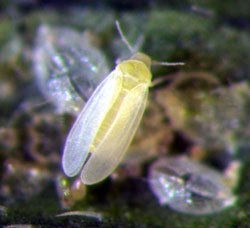
The last two years have been very bad for whiteflies in the Southeast. This is due in part to the very mild winters that we have had, which allowed the flies to overwinter easily in crop remains that were left in the fields as well as in native species and winter crops. This year has…
-
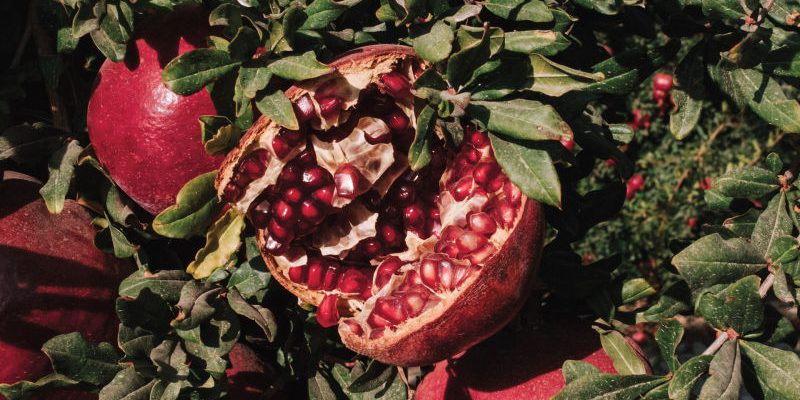
Here’s a very long but interesting story about Stewart Resnick, the biggest farmer in the US and the man behind Cuties and Halo citrus, Pom Wonderful pomegranates, and the biggest producer of pistachios in the country. He owns 281 square miles of California plus a number of international holdings. As you can imagine, the biggest…
-

The January Crop Progress and Condition Report for Georgia was released today. It says: January 29, 2018 GEORGIA: Total rainfall for the month ranged from 0.5 inches in Butts County to 8.9 inches in Rabun County. According to the U.S. Drought Monitor, the percentage of the State in a moderate drought increased 15 percentage points…
-
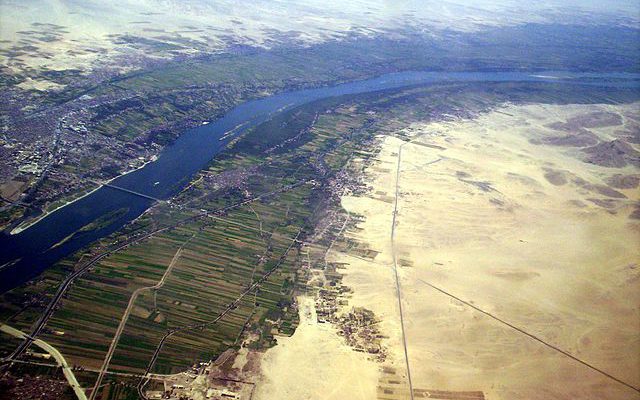
Eos has an interesting article this week discussing the impact of distant volcanic eruptions on the flow of the Nile River. A new paper in Nature Communications discusses the evidence “indicating that a series of eruptions may have caused sharp drop-offs in the summer rainfall usually brought by the African monsoon.” The cooling from the…
-
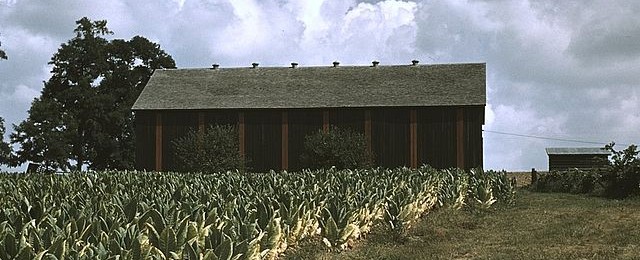
Southeast Farm Press posted a story this week about how a dry spell in fall benefited burley tobacco growers in Tennessee and Kentucky. The dry spell in September helped the tobacco dry down in the field, but by October, moister air helped them achieve the desired color. The absence of an early frost also helped…