Crops
-
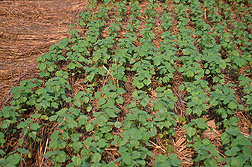
Even though the weather has not been perfect for planting in a lot of the Southeast, there is one place that has had almost perfect weather for cotton planting. The North Carolina Blacklands, with its rich, fertile farmland that hugs the Atlantic Coastline, usually has cool and wet weather in spring, but this year had…
-

Over the last couple of weeks, wildfires have flared up again in Canada, some apparently even from fires that got tamped down over winter but reignited again in the warmer spring weather. Smoke from these fires is now starting to appear across northern parts of the United States and could move farther south in the…
-

Did you know that the first people to identify the climate swing we now know of as ENSO or El Nino Southern Oscillation were potato farmers in Peru? They noticed that in some years very wet conditions occurred and caused problems with growing potatoes there due to the wet conditions, and other years were very…
-

While I’ve been on the road quite a bit in the last few weeks, I have seen a few stories you might be interested in. Washington Post: Cherry blossoms have bloomed longer than usual and aren’t done yet National Geographic: Did you enjoy the cherry blossoms’ early peak bloom? It was a warning sign. Indiana…
-
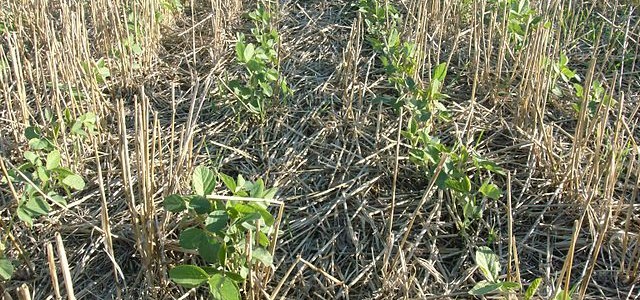
Here is an interesting story about planting soybeans from Farm Progress. In the story, it points out that planting soybeans too early does not give an advantage to plants but actually results in shorter plants with less leaf area. That results in lower yields than soybeans that are planted a little later that grow taller.…
-
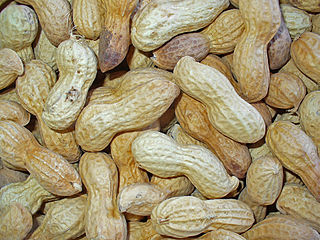
The wet spring in 2023 and the hot, dry conditions in many parts of the peanut-growing region last year caused yield reductions in many fields, even those that were irrigated, according to this story in Delta Farm Progress. The wet spring delayed planting, resulting in younger plants that were less able to withstand the effects…
-

One way that farmers in the Southeast are adapting to our changing climate is by planting new crops to replace those that either don’t do so well in the warmer Southeast or are not economically viable anymore. Some of the farmers I work with are planting things like satsuma and other citrus, olives, and pomegranates.…