Hunt Sanders
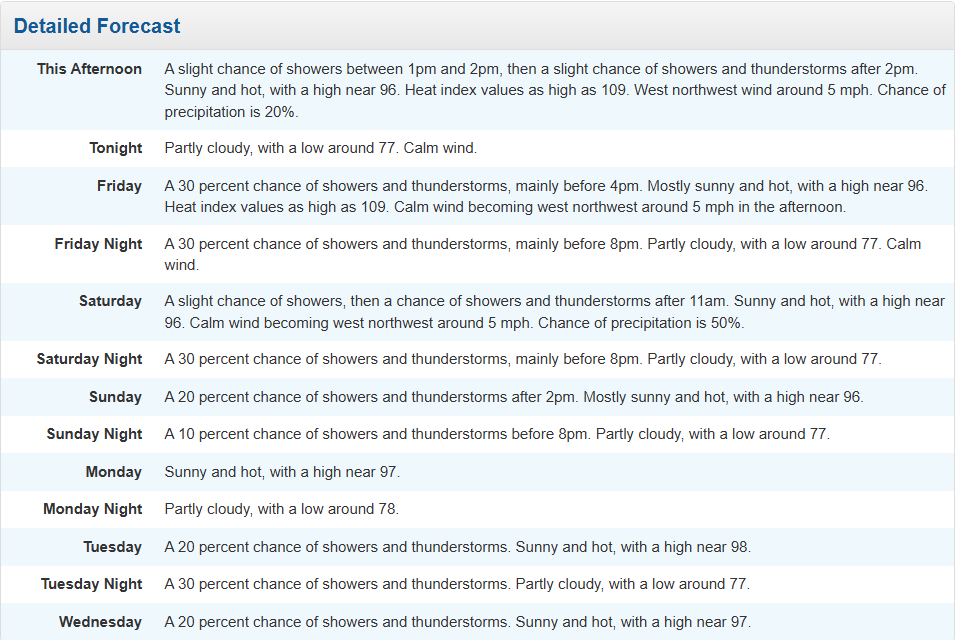
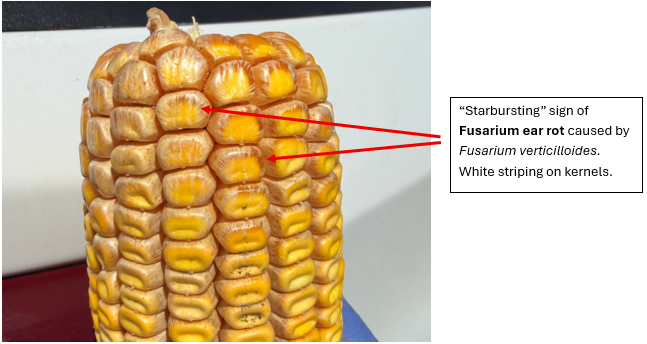
It seems that many of our insect and fungal pests have woken up over the past week. Several fields are being treated for spider mites and whiteflies, while areolate mildew is beginning to show up in cotton. We are also starting to see some corn ear rots developing.
We still have a long way to go before cotton defoliation and peanut inversion, and there is plenty of growing season left. A lot can happen between now and harvest that could ultimately have a significant impact on overall yield. Continued scouting and timely management will be important as we move through the remainder of the season.
Cotton Update:
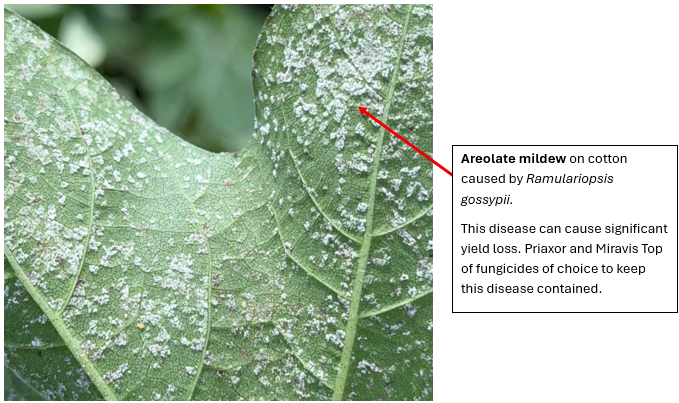
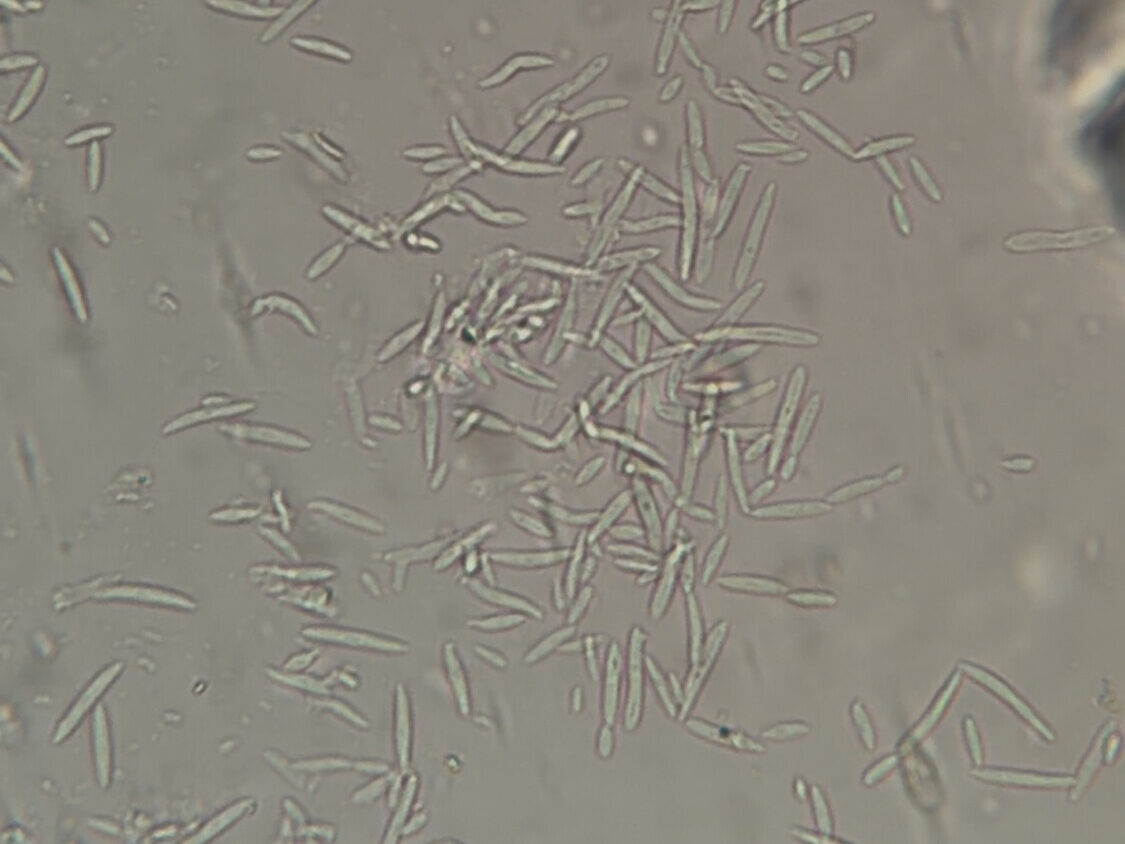
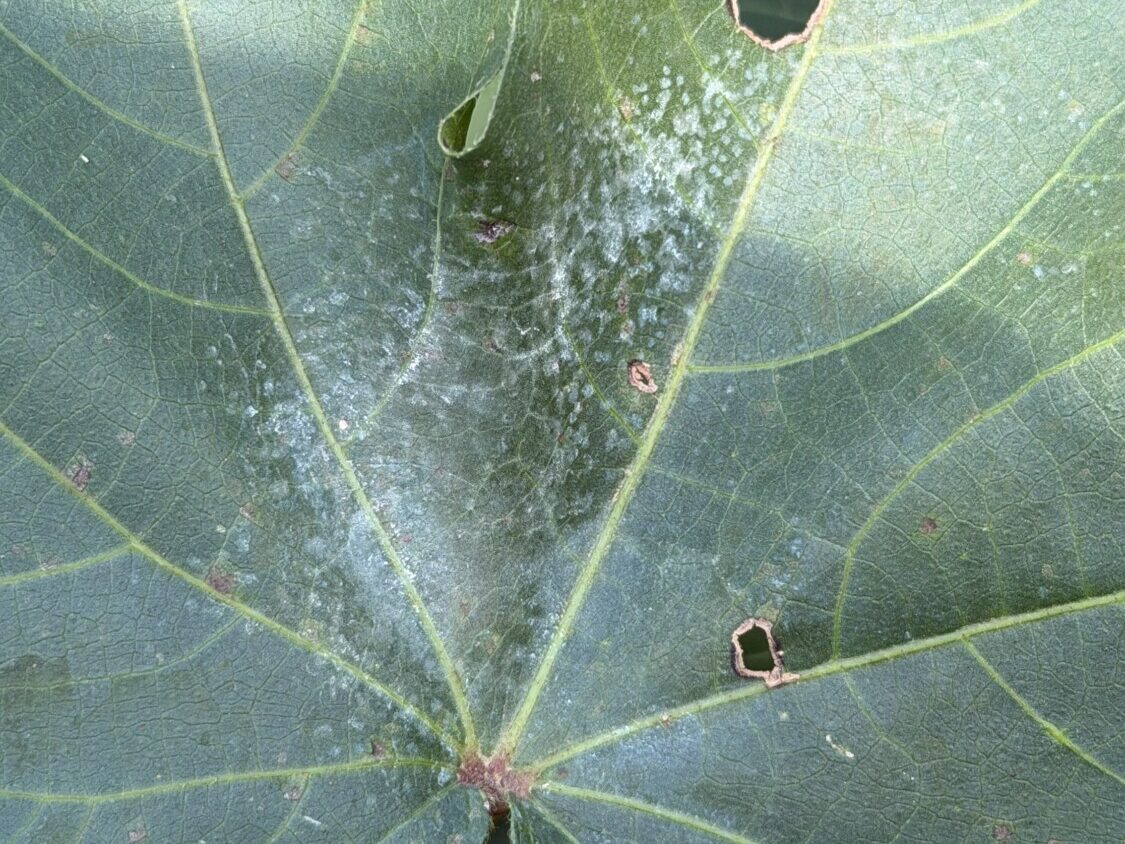
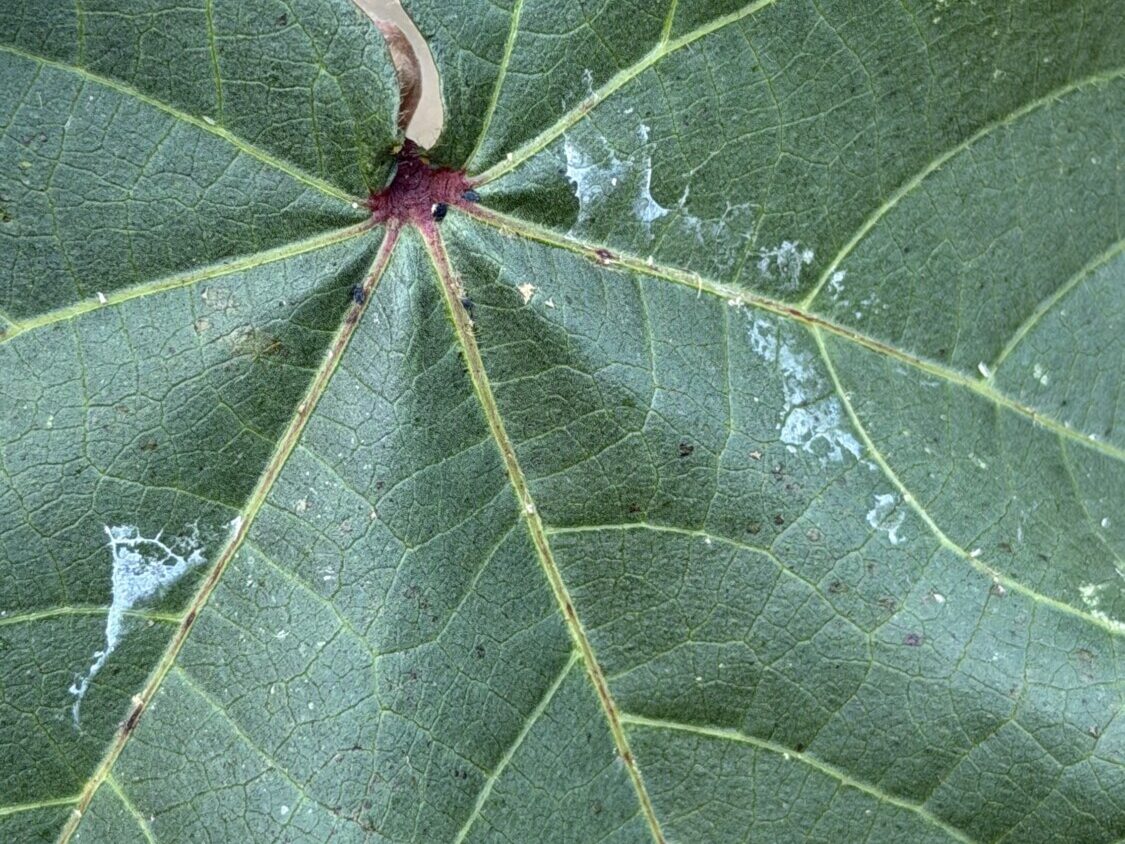
Best fungicide timing is 3rd week of bloom or later AND when found when scouting.
If cotton is 3rd week of bloom and not scouted, consider to spray or not based upon favorable conditions.


As of right now, many fields are being treated for whiteflies and spider mites. If you are already making an application for spider mites, I would recommend adding a whitefly insecticide to the tank mix if they are present.
If you are finding 2–3 whitefly nymphs per leaf with significant adult populations present, and you are already making an insecticide application for spider mites, it would be a good opportunity to address the whitefly population as well.
If disease is also a concern in the field, consider adding the appropriate fungicide to the application. Combining treatments when justified can help address multiple pest and disease concerns while reducing the need for additional trips across the field.
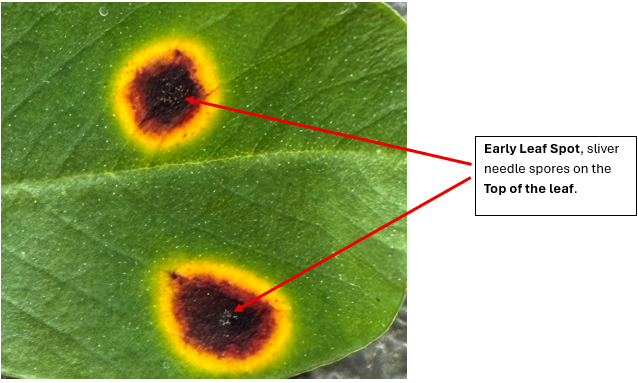
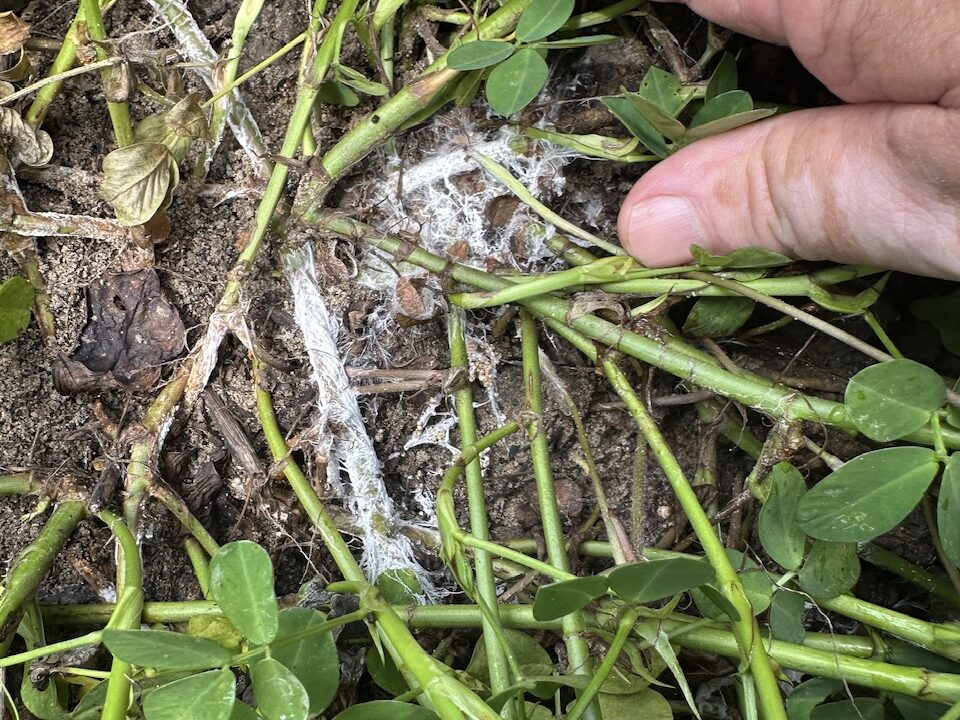
Peanut Diseases


Corn Update:
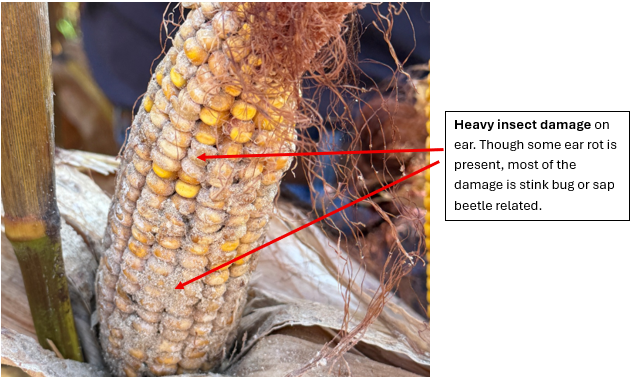
Due to favorable environmental conditions, there have been numerous reports of increased fungal ear rot development across the state. Many of these fungal pathogens can gain entry through insect feeding damage, as insects create wounds or openings in the ear that provide an entry point for infection. Fields with significant insect activity should be monitored closely for both insect damage and the development of ear rots.


Is there anything better for cleaning up morning-glories? Aim with crop oil has been very effective for controlling morning-glories and providing a good cleanup of escapes. Adding Roundup to the tank mix can also be beneficial, particularly in fields with a heavy grass population, as it can help broaden the spectrum of weed control.
As always, make sure all products are labeled for the crop and are applied according to the label. Remember to not apply within 3 days of harvest, and do not graze stover until 14 days after application.

2026 GA Custom Rate Survey
The 2026 Georgia Custom Rate Survey is live and available via link listed below. Survey link: 2026 GA Custom Rate Survey The 2024 Extension publication can be accessed at the following link: 2024 Georgia Custom Rate Survey Summary. Thanks for your consideration and support of this important project that produces beneficial commodity input information for Georgia producers and Extension clientele.

There are several resources your county agent has access to for assisting the public:
- SpotOn Digital Sprayer Calibrator & nozzle cleaner tool – Accurate flow rate checking of individual sprayer nozzles.
- Fertilizer Spinner-Disc Spreader Calibration – spread pattern testing of fertilizer spreaders.
- Hay Moisture Tester – Evaluation and assessment of hay to bale at optimum moisture content – decrease mold growth and increase feed value. Test baled or unbaled (in field)
- Forced Motor Planter Calibration – at-plant insecticide hopper box calibrations. Potential benefits: increase insecticide application efficacy with the appropriate and effective application of product label and recommended control rate. Decrease
- Mobile Irrigation Lab – Pivot efficiency evaluation/Irrigation audits to support water conservation and decrease irrigation costs.
- Harvest Moisture Testing – Corn and soybean moisture testing to decrease drying time and fuel costs.
- Enviroscape Watershed Model – Environmental education programming tool. Interactive demonstration of the sources and effects of water pollution. Present and illustrate watershed/stormwater concept.
- Rainfall Simulator Tabletop Educational Program tool –
- Digital wind meter educational tool – Anemometer measures wind speed to support safe pesticide applications and reduce drift.
- Pivot Calibrations
- Drone imagery/scouting