Hunt Sanders
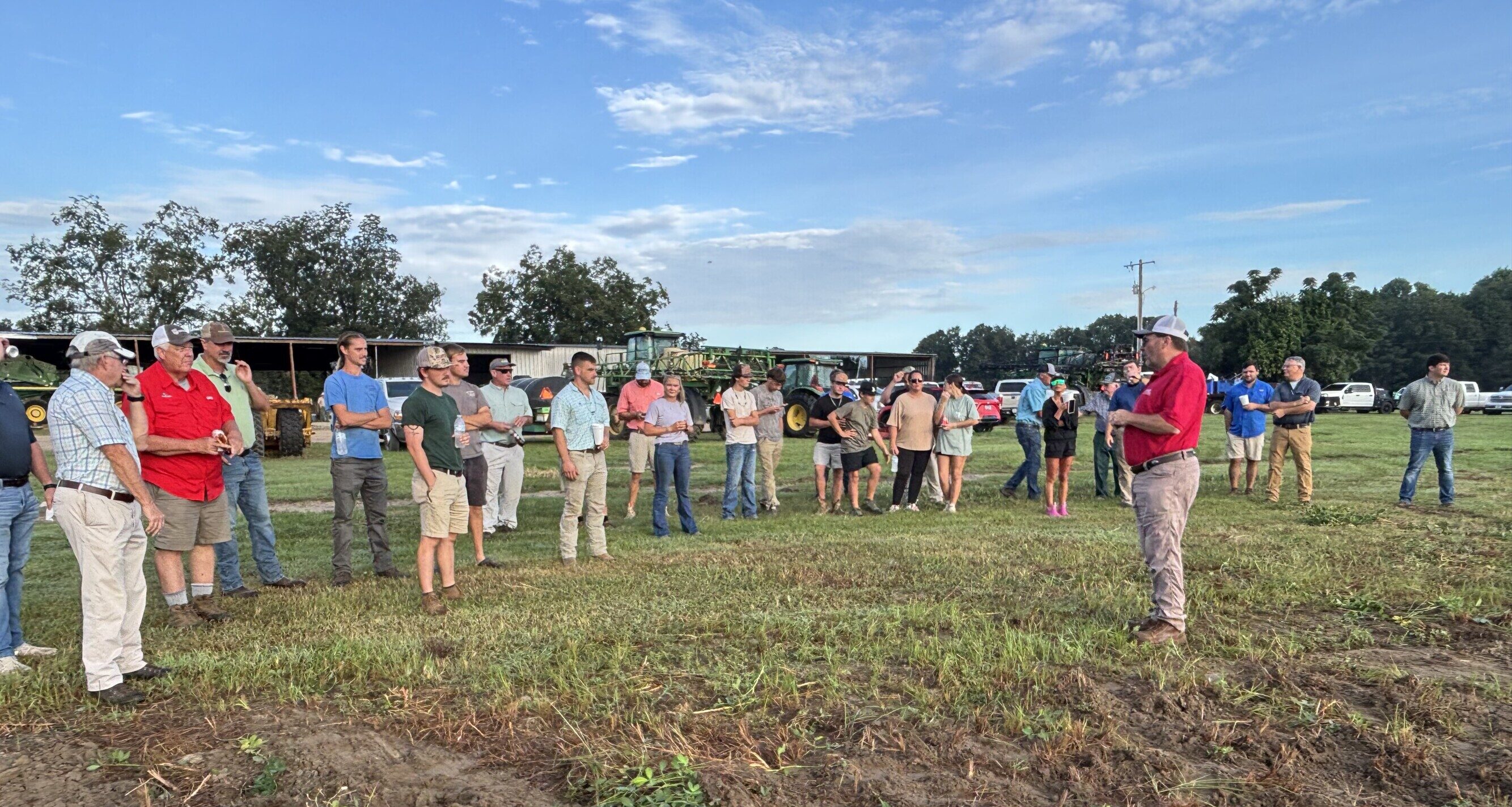
Thank you to everyone who came out to the peanut meeting this morning. We had a great turnout.
In this week’s Update:
Peanut Maturity Update:
Suggestions before digging: Dr. Monfort
Peanut Inverter Check List:
Benghal Dayflower Control (Prostko):
Preparing for Cover Crop (Dr. Taylor Singleton)
Cotton Team Newsletter:

Irrigated — Most irrigated peanuts planted in April – the first part of May are running
on time (140 to 148 Days) for most varieties (so far), GA-12Y and maybe GA 22MPR. GA-12Y and GA-22MPR are likely 150 + DAP. Disease and/or weather can change maturity.
21 GRs are the only variety I have checked that are running a bit early, due to peg weakness. 21GRs seem to be running around 137-140 days this year.
Once we move into mid-May to June, maturity will likely be a little different because of
the weather we experienced at planting and throughout the season.

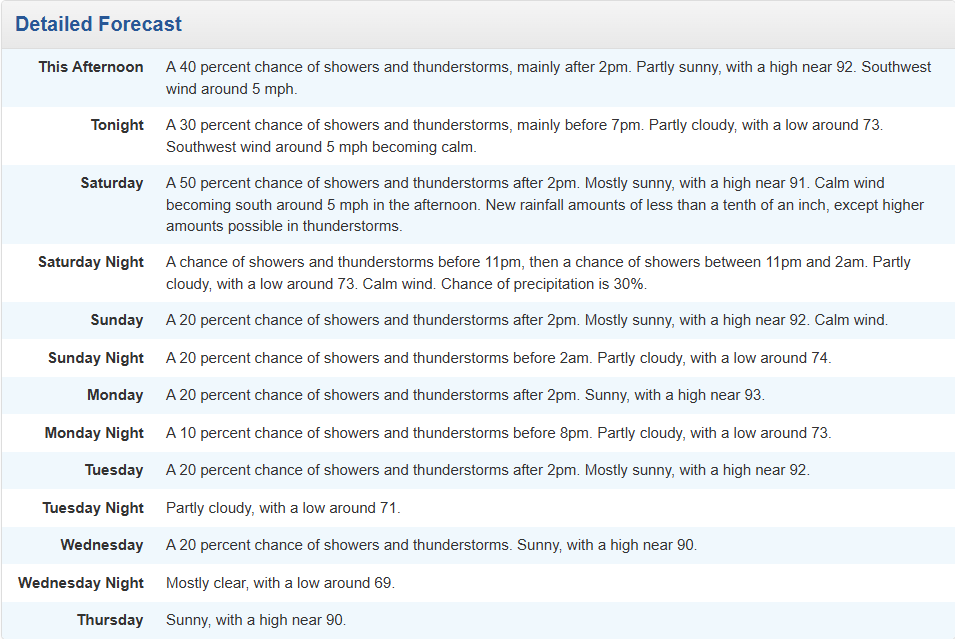
Non-Irrigated — The non-irrigated crop will be more of a mixed bag across the state at all planting dates. Drought conditions have been spotty, and depending on the field’s location determined if I had sufficient rains or not. The dry land crop that I have checked has been all over the place. This is going to be hard to make decisions. We want to let these peanuts sit for as long as we can to help increase the yield and grade potential, but we do not want to sacrifice our yield for grade by letting them sit too long.
Overall, I believe the plants in the field will let us know when it is time to dig. When those pegs start getting weak and the vines start going down, it’s time to roll. It is important to assess each field before making a decision. Especially in dry land conditions.
Below are few suggested tips/questions to consider for determining when to DIG: Dr. Monfort
You cannot treat irrigated or non-irrigated or planting dates the same – Maturity needs to be examined on a field-by-field basis and not as much on Days after Planting.
Non-irrigated maturity will be heavily skewed due to the drought. Some acres might be abandoned due to the weather issues– this needs to be decision of the insurance adjuster.
Non-irrigated acres with some moisture.
a. Maturity may be normal but likely to have split crop.
Split crop – This will be a challenging decision for most.
b. Typically, a profile that is split evenly, the decision is usually to base digging on the leading edge. However; if the leading edge is minimal compared to the fruit load behind the “split”, then the decision is more difficult and cannot be answered easily.
c. other things that need to be considered?
i. Potential of late crop vs. what is on the vines now?
ii. How do the vines look?
iii. How do the pods look?
iv. Moisture now?
v. What is the short- and long-range forecast? Temperature and Moisture?
If you were at the meeting this morning. Dr. Porter mentioned a checklist to ensure your peanut inverter is ready to go, below is that check list.
Dr. Prostkos update on Benghal Dayflower control:

For more information about each of these species, check out these fact sheets by the Southern Cover Crop Council:
Understanding how many days we are working with can help us make sure we select a species (and variety) that fits our window and serves our goals. Just keep in mind, your cover crop is not going to be growing the whole time it’s in the ground – you will see early season growth before the temps turn off cold, then growth with start again in the spring. Generally, the more time you can give that cover crop to grow in the spring (warming temps, longer days, rapid growth), the more biomass you will generate.
Unless you are terminating ahead of corn, I’d encourage you to consider holding off on terminating until closer to planting the cash crop (even though it’s tempting to just terminate everything in March while there’s time!).
For example, the most common variety of cereal rye we see in Georgia is Wrens Abruzzi, which matures around ~150 days. An earlier maturing variety such as FL401 (~125 days) may be a better fit for a tighter planting window. Pay attention to what variety you are planting to maximize your investment. Best wishes for a safe and productive harvest season.
There are several resources your county agent has access to for assisting the public:
- SpotOn Digital Sprayer Calibrator & nozzle cleaner tool – Accurate flow rate checking of individual sprayer nozzles.
- Fertilizer Spinner-Disc Spreader Calibration – spread pattern testing of fertilizer spreaders.
- Hay Moisture Tester – Evaluation and assessment of hay to bale at optimum moisture content – decrease mold growth and increase feed value. Test baled or unbaled (in field)
- Forced Motor Planter Calibration – at-plant insecticide hopper box calibrations. Potential benefits: increase insecticide application efficacy with the appropriate and effective application of product label and recommended control rate. Decrease
- Mobile Irrigation Lab – Pivot efficiency evaluation/Irrigation audits to support water conservation and decrease irrigation costs.
- Harvest Moisture Testing – Corn and soybean moisture testing to decrease drying time and fuel costs.
- Enviroscape Watershed Model – Environmental education programming tool. Interactive demonstration of the sources and effects of water pollution. Present and illustrate watershed/stormwater concept.
- Rainfall Simulator Tabletop Educational Program tool –
- Digital wind meter educational tool – Anemometer measures wind speed to support safe pesticide applications and reduce drift.
- Pivot Calibrations
- Drone imagery/scouting