Each spring, as The Masters Tournament unfolds just down the road in Augusta, Georgia, the nation is treated to the iconic sight of azaleas in peak bloom. Those vibrant colors signal that spring has arrived across Northeast Georgia—and they also serve as inspiration for homeowners looking to achieve similar beauty in their own landscapes.

Azaleas are a staple of Southern gardens, valued for their showy flowers and adaptability to our region’s climate. However, maintaining healthy, long-lived plants requires attention to a few key factors. Many of the most common problems seen in home landscapes can be traced back to site selection, soil conditions, and moisture management.
Success with azaleas begins with proper placement. These shrubs perform best in partial shade, especially with morning sun and afternoon protection. Too much sun can stress plants and increase pest problems, while too much shade often reduces flowering. Soil conditions are equally important. Azaleas prefer well-drained soils high in organic matter with an acidic pH between 4.5 and 6.0. In Northeast Georgia, heavy clay soils are common, making drainage one of the most frequent challenges. Poor drainage can quickly lead to root problems and plant decline, so incorporating organic matter such as pine bark or compost—and even planting in raised beds where needed—can make a significant difference.
Water management is another critical factor. Azaleas have shallow root systems, which makes them sensitive to both drought and excess moisture. During hot, dry periods, plants may show wilting, curling leaves, or a dull gray-green color. At the same time, overly wet soils can create conditions for root disease. A good rule of thumb is to provide about an inch of water per week during dry periods while maintaining a 3–5 inch layer of mulch, such as pine straw, to conserve moisture and regulate soil temperature.
Fertility is often misunderstood when it comes to azaleas. These plants are relatively light feeders, and over-fertilizing can do more harm than good. In many cases, nutrients supplied through decomposing mulch are sufficient. One of the most common issues homeowners notice is leaf chlorosis, or yellowing leaves, which is typically caused by soil pH being too high rather than a lack of fertilizer. A soil test through our Extension office can help determine whether adjustments are needed and prevent unnecessary applications.
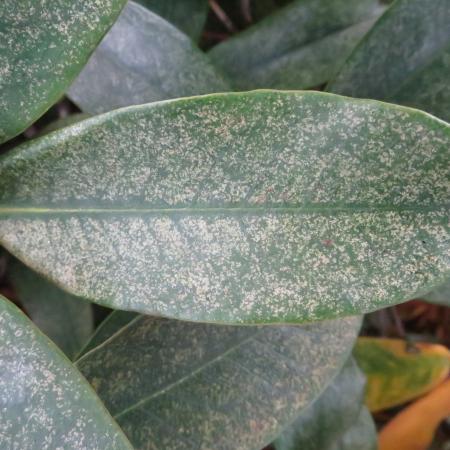
Insect pests can also affect azaleas, particularly when plants are under stress or growing in too much sun. The azalea lace bug is the most common culprit, causing leaves to appear bleached or stippled. Other pests, such as spider mites and scale insects, may also be present. Regular monitoring, proper plant placement, and maintaining overall plant health go a long way in preventing serious infestations. When needed, horticultural oils or insecticidal soaps can provide effective control.
Disease issues in azaleas are most often linked to moisture and environmental conditions. Root rot, caused by poorly drained soils, is the most serious and can lead to plant death. Other problems, such as leaf gall and petal blight, tend to appear during cool, wet weather. In most cases, prevention through good cultural practices—especially proper drainage and avoiding overwatering—is the best approach. Removing and discarding affected plant material can also help limit the spread of disease.
With the right care, azaleas can provide decades of reliable spring color in the landscape. By focusing on proper planting location, soil preparation, and consistent maintenance, homeowners can enjoy healthy plants and vibrant blooms year after year—bringing a touch of classic Masters beauty to their own yards.
