As our lawns come out of dormancy and begin to green up, spring growth isn’t limited to just your turfgrass. This is also the time of year when many common lawn weeds become more noticeable- especially as they begin to flower.
Many of these plants established earlier in the fall or winter and are now taking advantage of favorable conditions.
By definition, a weed is simply a plant growing where it isn’t wanted- often one that grows and spreads quickly.
Here are a few common spring weeds that have started flowering in recent weeks:
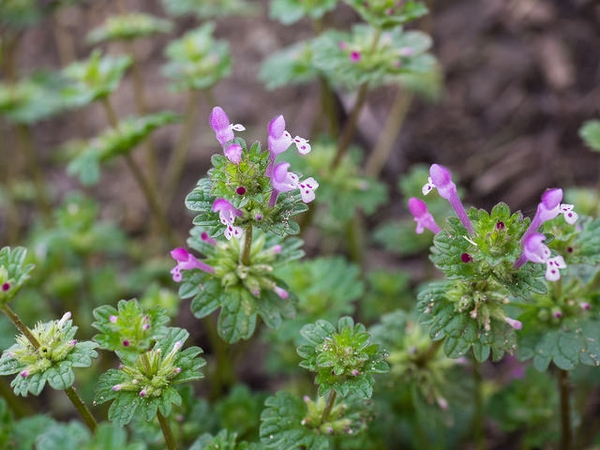
A member of the mint family, Henbit has square stems and rounded leaves with rounded teeth. It’s flowers are tubular and are pink to purple, and the inside of the tube has purple splotches.
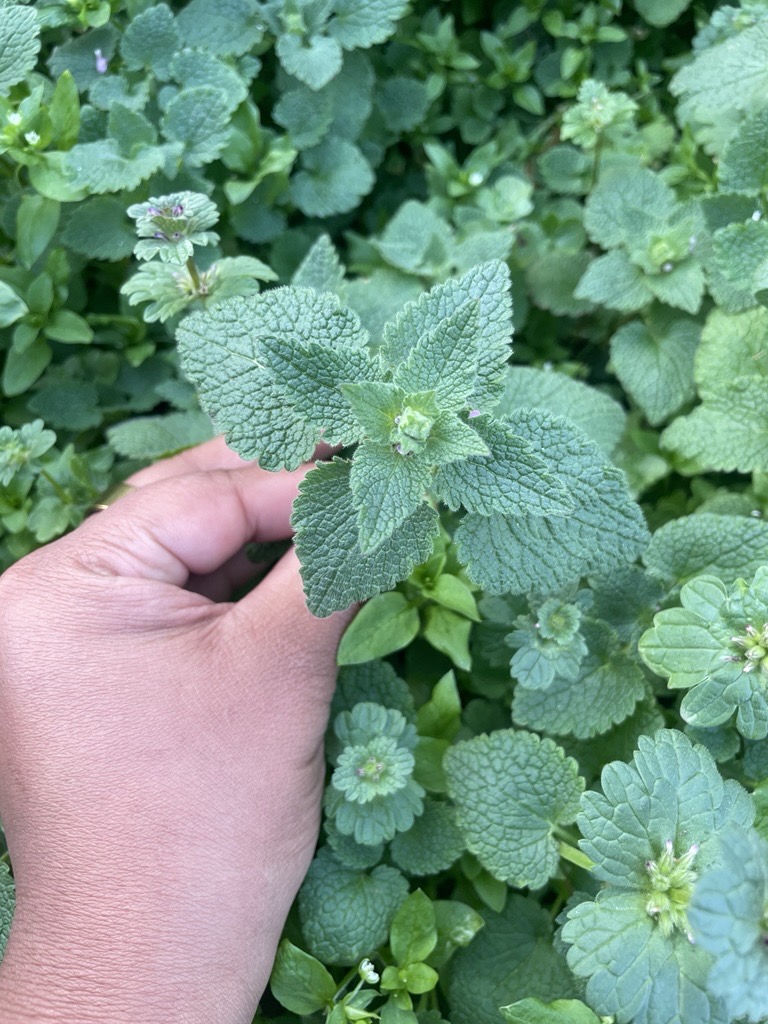
Purple Deadnettle looks very similar to Henbit, but instead of rounded leaves it’s leaves are triangular and hairy. Seedlings emerge in fall and early spring, and it flowers predominantly in spring and early summer.

This perennial plant grows from an underground bulb and is identifiable by its smooth, round, hollow leaves. When crushed, the leaves release a strong garlic or onion scent. Wild garlic plants typically emerge in early spring and senesce by early summer.

This creeping perennial plant can spread quickly through lawns and garden beds and is identifiable by its round or kidney-shaped leaves with large rounded teeth and its square stems. Ground ivy remains green throughout the year and typically flowers from March through June.
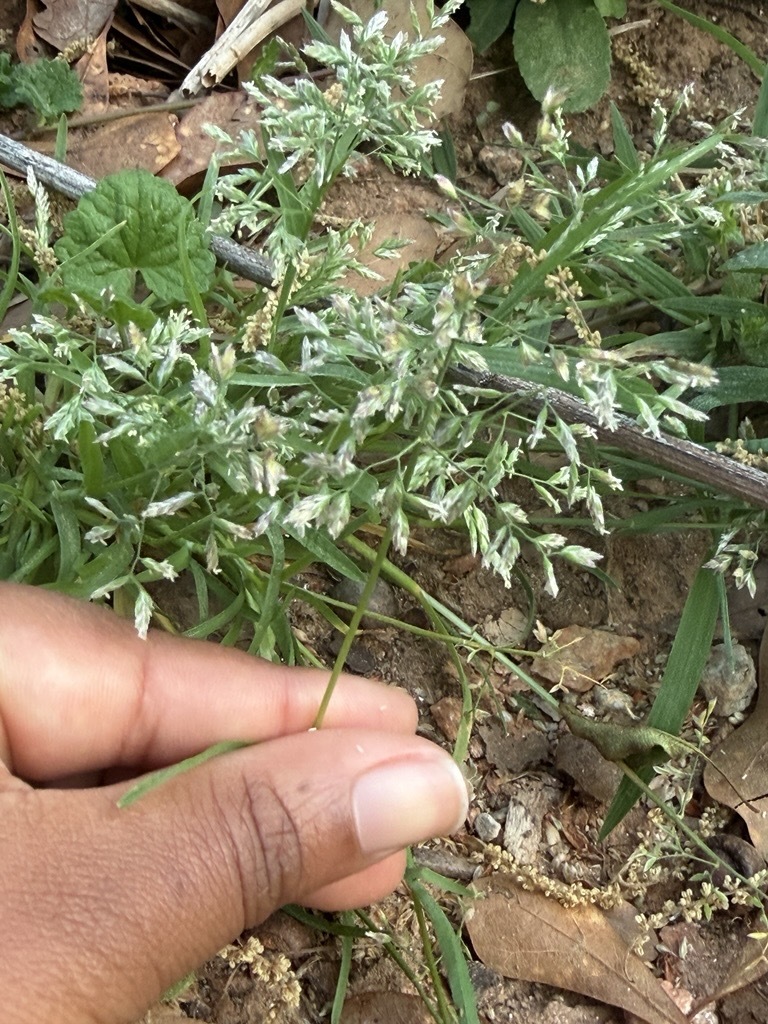
A cool-season annual commonly found in lawns and turf areas, it can be identified by its light green color, boat-shaped leaf tips, and white seedheads that often give lawns a patchy or lighter appearance. This plant typically germinates in the fall, grows through winter, and produces seedheads in spring.
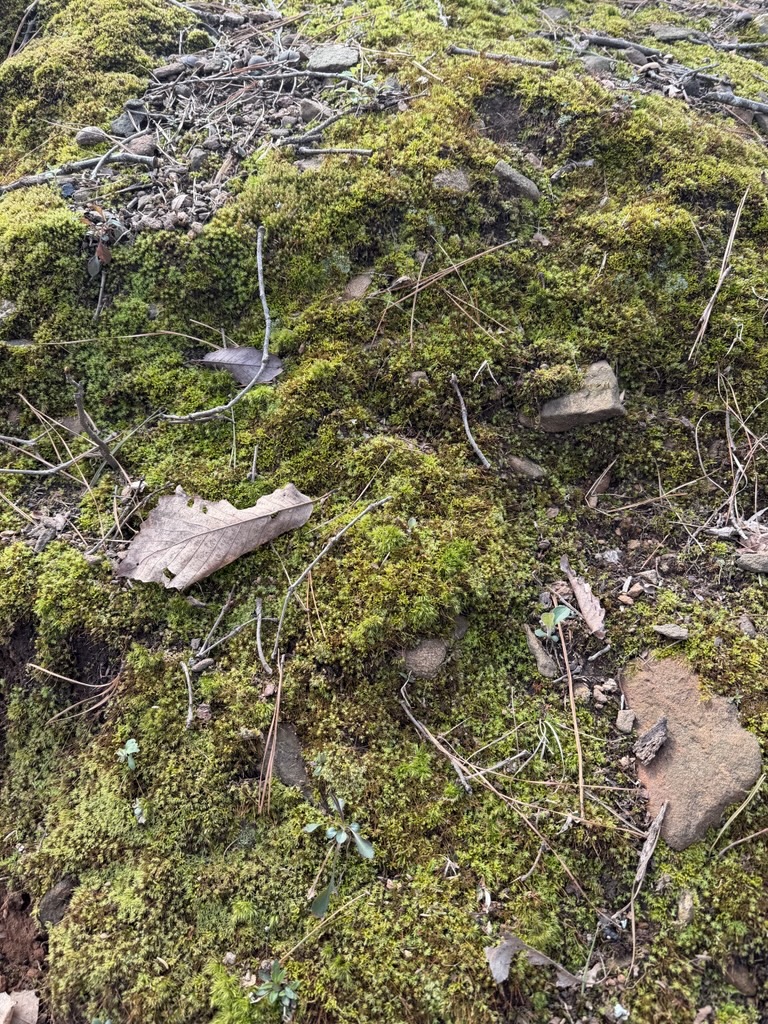
Moss is a low-growing, non-vascular plant that forms soft green mats and does not have true roots, stems, or leaves. It commonly grows in shaded, moist areas and spreads by spores rather than seed. Moss is most visible during cool, wet conditions in fall, winter, and early spring, and it may decline during hot, dry summer weather.
Its presence often reflects site conditions such as soil compaction, excess moisture, and/or low soil pH.
Follow our Facebook and Instagram to learn more about common weeds throughout the summer!
Have questions about managing weeds in your lawn? Management depends on your turf type — contact your local Extension Office for more information.
