When plants begin to decline, develop discolored leaves, or show dieback, disease is often the first concern. However, many plant problems are abiotic, meaning they are non‑infectious and caused by environmental or site conditions rather than plant pathogens (fungi, bacteria, or viruses). Abiotic problems frequently resemble plant diseases, but because no pathogen is involved, fungicides will not fix the issue. Improving plant health starts with identifying and reducing stress factors affecting the plant.
Understanding the most common abiotic stressors can help homeowners and landscapers focus their efforts where they matter most and prevent disease before it happens.
Site and Soil Conditions Matter
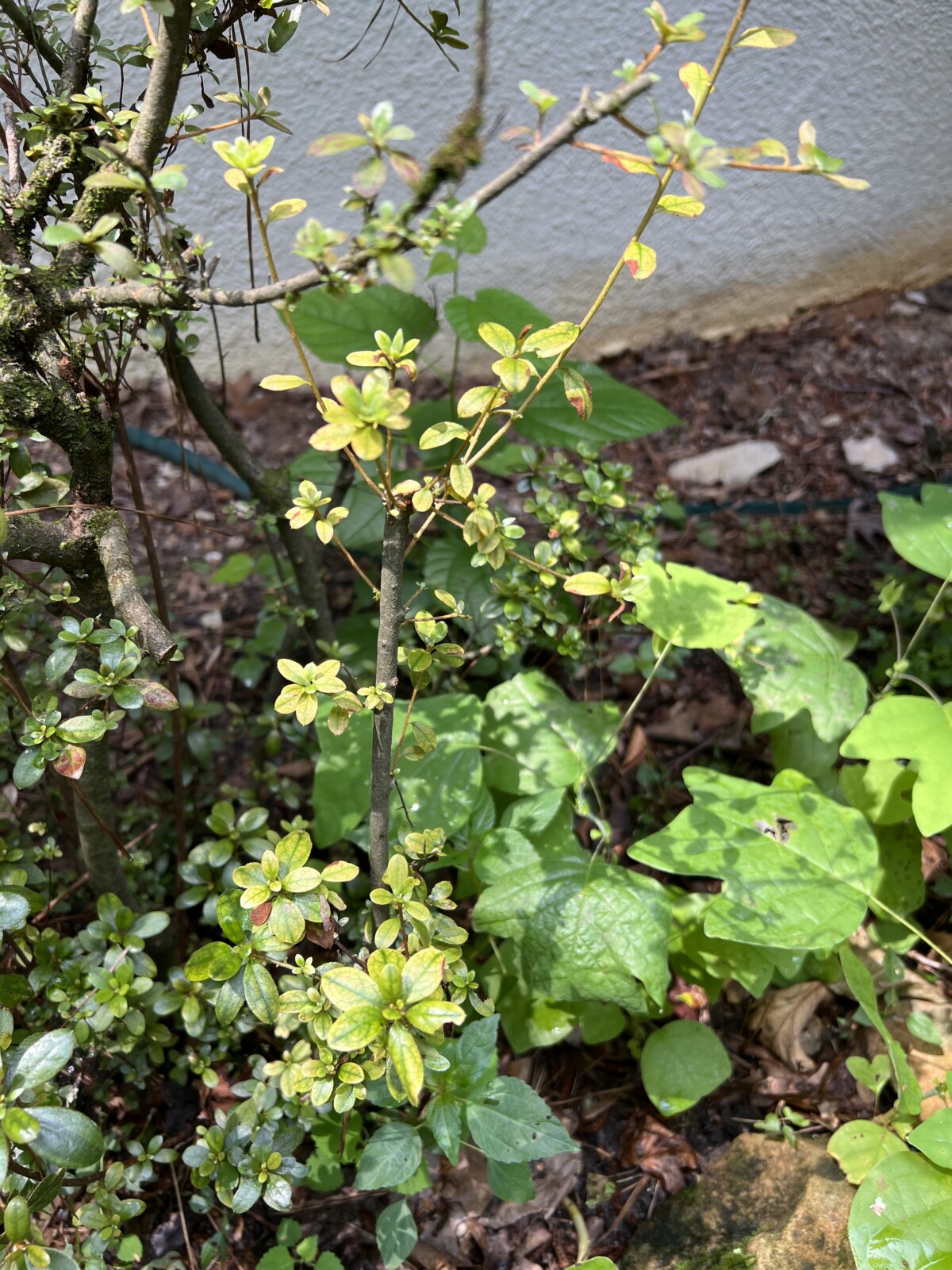
One of the leading contributors to abiotic plant problems is poor site or soil conditions. Drainage issues, compacted soil, or prolonged soil wetness can weaken root systems by limiting oxygen availability. Roots that are stressed or damaged cannot efficiently absorb water or nutrients, leading to symptoms such as leaf yellowing, canopy thinning, and stunted growth.
At the other extreme, extended dry periods or inconsistent watering can also stress plants. Fluctuations between drought and overwatering are especially damaging, as roots struggle to adjust. To minimize stress, adjust irrigation practices to provide steady, moderate soil moisture. Water deeply and less frequently, allowing the soil to dry slightly between watering events while avoiding prolonged saturation.
A good rule of thumb is that established trees and shrubs need about one inch of water per week, which includes rainfall.
Before planting, consider soil texture, drainage, and exposure to sunlight and wind. Choosing plants that are well‑adapted to your specific site conditions greatly reduces the risk of abiotic stress later on.
Root and Planting Problems
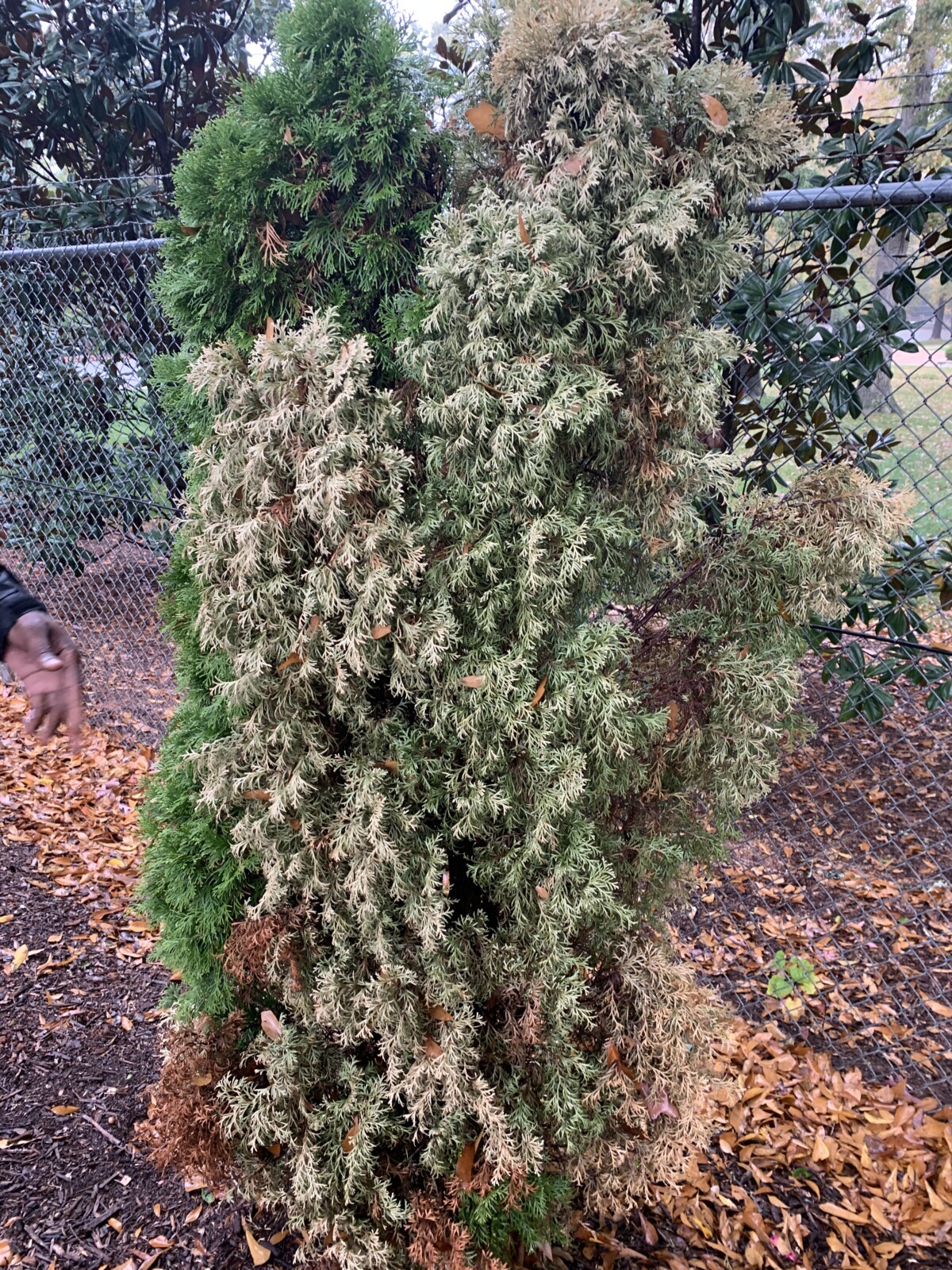
Many issues start belowground. Plants installed too deeply, burdened with girdling or circling roots, or covered by excessive mulch can experience restricted root growth and poor oxygen exchange. These conditions often result in delayed symptoms aboveground, like reduced vigor, leaf scorch, or branch dieback.
The root flare—the point where major roots meet the trunk—should be visible at the soil surface. If soil or mulch covers this area, gently rake back the excess to restore proper depth. Mulch should be applied no more than 2–3 inches thick and kept several inches away from the trunk to prevent moisture buildup against the bark.
Correcting planting depth and addressing root defects early can help restore plant vigor and extend the lifespan of trees and shrubs.
Nutrient Balance and Soil Testing
Nutrient problems are another common cause of tree and shrub decline. Symptoms of nutrient deficiencies or toxicities, such as yellowing leaves, poor growth, or leaf scorch, can closely resemble plant diseases.
Soil testing is strongly recommended to evaluate pH and nutrient levels before fertilizing or adding amendments. Based on test results, targeted amendments can be applied to correct deficiencies or reduce excess nutrients. Maintaining proper soil pH is particularly important, as it has a huge effect on nutrient availability and root health.
Focus on balanced nutrition rather than heavy fertilizer applications. Overfertilization can stress roots, lead to excessive growth that is more susceptible to environmental stress, and contribute to nutrient runoff.
When to Seek Additional Help
Abiotic problems often improve once stress factors are corrected, but recovery can take time, especially for trees. If symptoms persist, spread to multiple plants, or become more severe, additional investigation may be needed.
In these cases, we encourage you to submit a plant sample to our Plant Disease Clinic. Plant samples and information about site conditions, irrigation practices, and recent changes can help rule out new issues and confirm whether additional factors are involved. Plant disease diagnostic samples cost $10 for residents and are free for commercial clients, such as farmers and landscapers.
Contact your county Extension agent for more information about submitting plant disease samples.
Healthy plants begin with healthy conditions. And just like us, healthy plants are better able to stave off disease-causing organisms, such as fungi, bacteria, and viruses.
By focusing on proper site selection, sound planting practices, consistent moisture, and balanced nutrition, many plant problems can be prevented.
