Adapted from the UGA Center for Urban Agriculture e-newsletter.
Did you know that many of our most important native pollinators nest right under our feet? Ground-nesting bees, which make up the vast majority of wild bee species, build their homes in bare soil, field edges, farm lanes, and lightly disturbed ground. They’re critical for crop pollination and ecosystem health, yet their nesting sites are poorly documented and easily overlooked.

Project GNBee (Ground-Nesting Bees), a research and conservation initiative led by Cornell University, is working to change that – and they need your help.
The Center for Urban Agriculture is excited to support this effort. Whether you manage farmland, maintain landscapes, tend a garden, or simply notice small bees flying in and out of the ground on your property, you can contribute to real science this spring.
What to Look For
Ground-nesting bees are active from early spring through late summer – prime observation season starts now in Georgia. Here’s what to watch for:
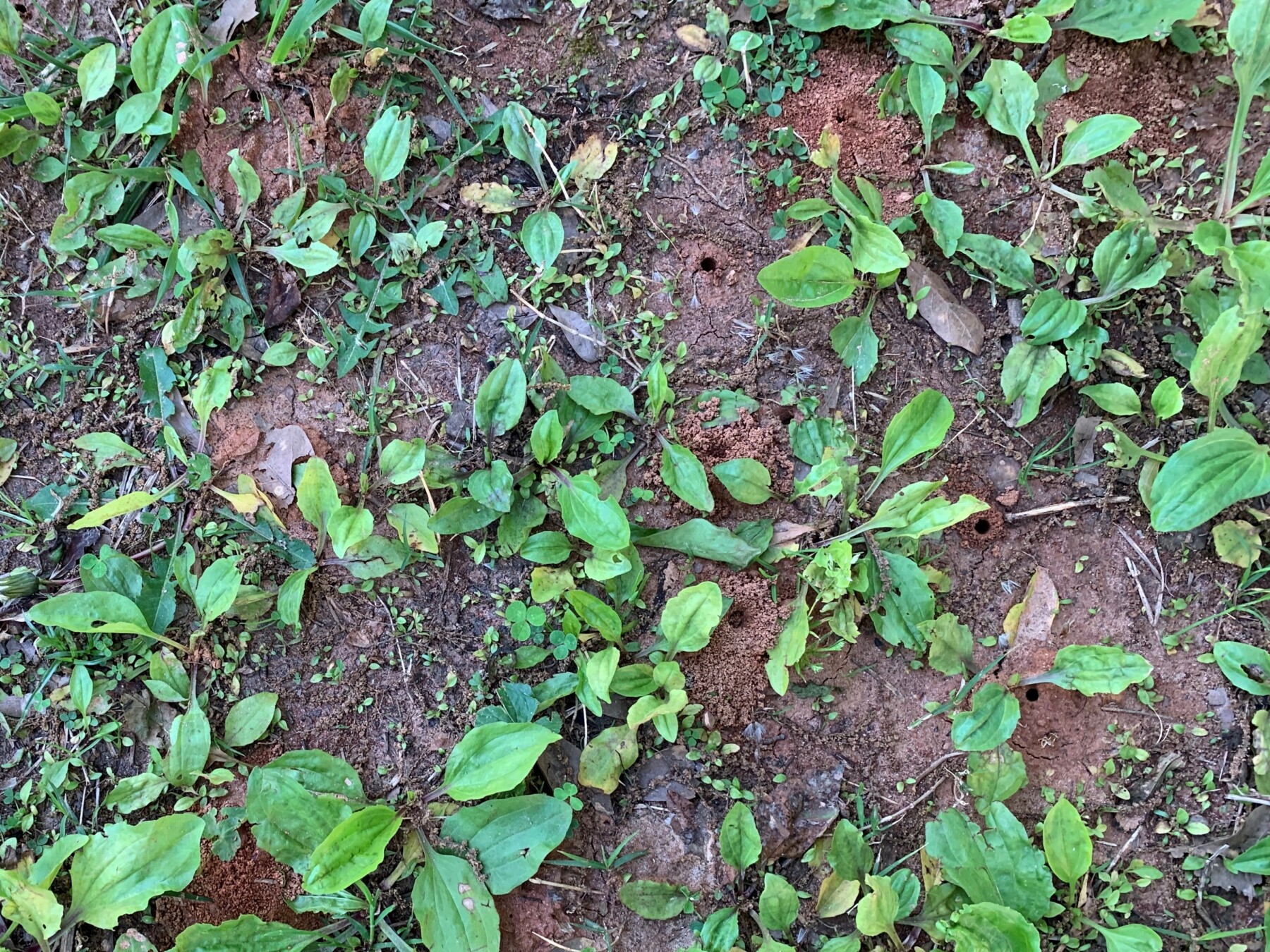
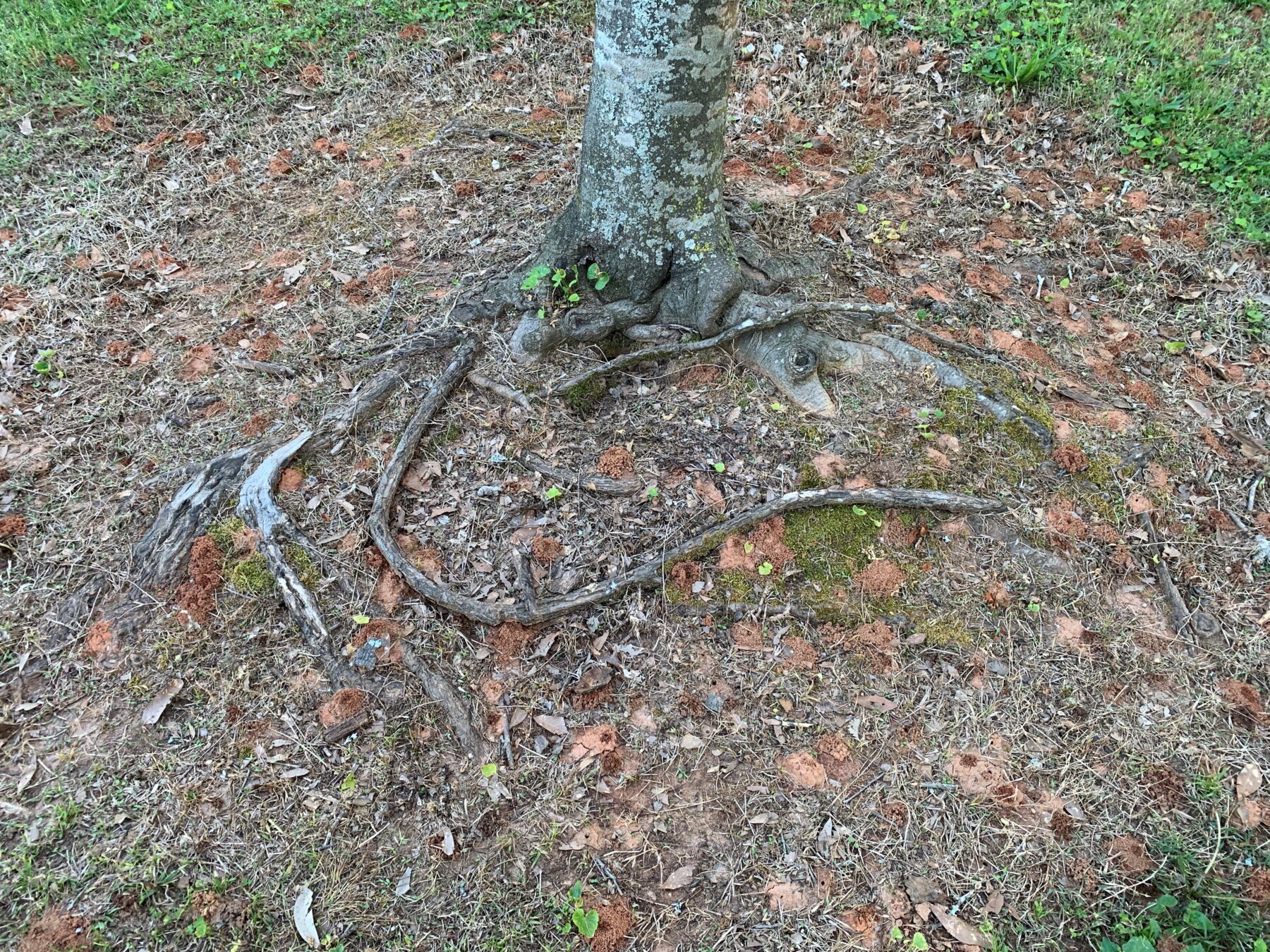
- Small dirt mounds with a distinct hole in the center – like a tiny volcano
- Clusters of nest entrances in bare dirt, low grass, or sandy patches
- Small bees hovering low to the ground, entering and exiting holes – often returning with pollen
- Common locations: field edges, orchards, garden paths, driveways, bare patches in lawns
How to Participate
Participating is simple, non-invasive, and fully compatible with ongoing agricultural and landscape management activities. Here’s how to get involved:
- Look for ground-nesting bee activity on your property, farm, orchard, garden, or landscape. Check bare soil areas, field edges, and paths.
- Snap a photo of a bee entering or exiting its nest. A smartphone photo works perfectly.
- Upload your observation to iNaturalist and tag the GNBee project. You’ll need a free iNaturalist account – it takes just a minute to set up.
Why This Matters for Georgia
Wild bees provide pollination services at no cost to farmers, significantly enhancing both the quality and quantity of crop yields. Some species form large, long-standing nesting aggregations that are critical for Georgia’s agricultural and horticultural industries.
Yet despite their importance, native bee nesting sites remain poorly understood. Conservation efforts have historically focused on flowers and forage, leaving major gaps in our knowledge of where these bees actually live and reproduce.
Your observations can help researchers document nesting sites, identify the species present, and develop evidence-based management strategies that protect pollinators while supporting productive farms and landscapes.
Good to Know
- Ground-nesting bees are gentle and rarely sting – observing them is safe and easy.
- Participation is non-invasive and fully compatible with ongoing agricultural and landscape activities.
- You don’t need to be a bee expert – researchers will help identify the species from your photos.
- Project GNBee is led by Cornell University and supported nationally by community scientists.
See Mining Bees in Action
Want to see what ground-nesting bees look like up close? Our own Becky Griffin, UGA Extension Community & School Garden Coordinator, and her daughter Mady Griffin, filmed mining bees building their homes right here in Georgia. Watch the video here.
It’s a fascinating look at what these nests actually look like in the ground – perfect for knowing what to watch for on your own property.
Save the dates! Becky also leads the Great Southeast Pollinator Census, a UGA project open to residents across the Southeast. This year’s count takes place August 21st and 22nd, 2026. Visit gsepc.org to learn more and sign up.
Spring is the perfect time to start looking. If you spot small bees coming and going from the ground on your property, grab a photo and share it with the GNBee project. Your observation could contribute to a better understanding of the pollinators that help sustain Georgia’s farms and landscapes.
Questions? Reach out to us or visit GNBee.org for more information, including printable flyers and identification guides.
Becky Griffin, Community & School Garden Coordinator, Center for Urban Agriculture
Dr. Bethany Harris, Director, Center for Urban Agriculture
Whitney Ottinger, SARE Sustainable Agriculture Educator, Center for Urban Agriculture
Rich Braman, Systems Administrator & Developer, Center for Urban Agriculture
