Climate science
-

Temperatures above normal at the North Pole in February have stunned climate scientists in recent days. In some cases the temperatures have been over 60 F above average for this time of year. (That would be equivalent to Athens GA being at a temperature of 120 F or so right now). The warm temperatures are…
-
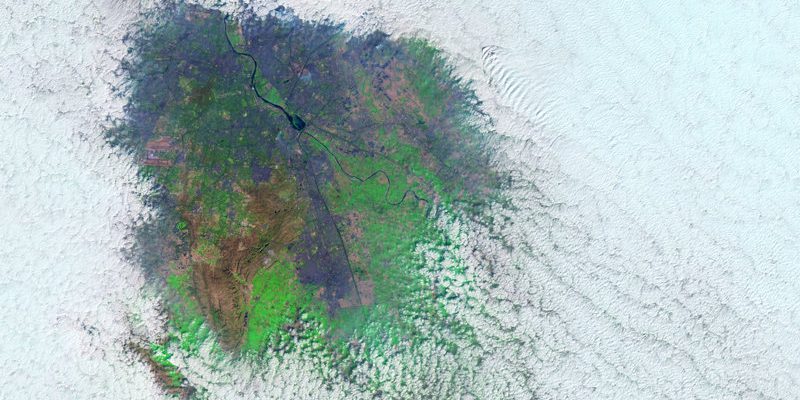
Atlas Obscura has a fascinating look at an unusual weather phenomenon–holes in the fog cover that occur over cities in India. A recent study was originally done to see how pollution in those cities affected the formation of fog. But what scientists noticed was that holes in the fog banks occurred in winter as viewed…
-
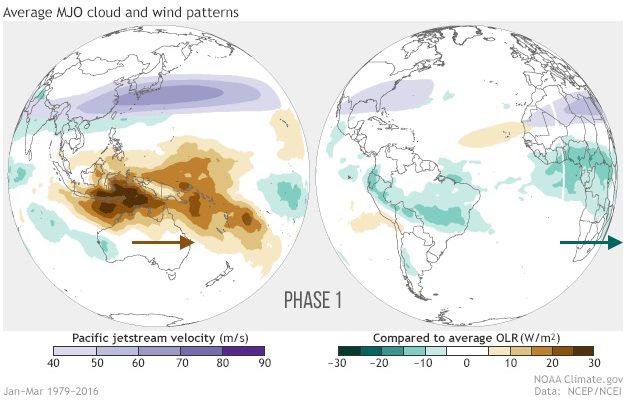
The latest blog post on Climate.gov discusses a phenomenon called the Madden-Julian Oscillation, which is basically ab atmospheric wave pattern that moves along the equator from west to east, taking 30 to 60 days go all of the way around the globe. The MJO interacts with other weather patterns like ENSO to affect the weather…
-
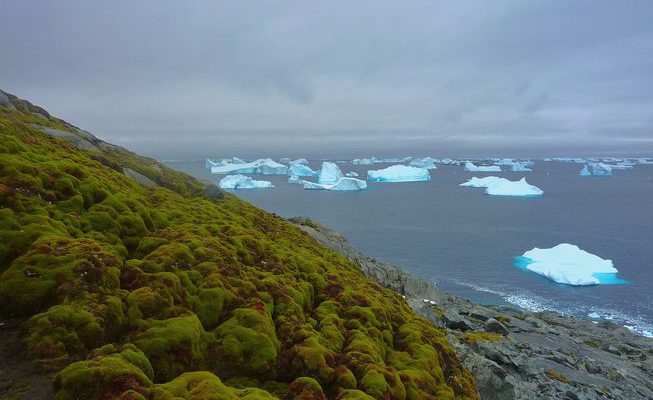
In trying to keep up with current climate science, I often run across articles that I think are interesting or challenging. Here are a few of the articles that have caught my eye in recent weeks. Cosmos magazine describes an counterintuitive impact of a warming climate at the end of the last Ice Age–a temporary…
-

I frequently hear complaints from some of my friends who are skeptical about climate change that the climate models are no good and therefore any projections they make about future climate cannot be trusted. I find that interesting because climate models are similar to weather forecasting models in how they operate although some facets of…
-
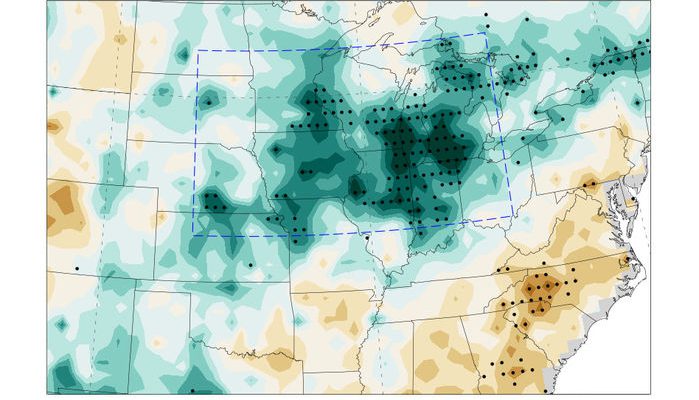
When I lived in Wisconsin, we blamed the hottest, most sultry days of summer on the corn in Iowa, which was pumping a lot of water vapor into the air. Now there’s a study published in Geophysical Research Letters that takes a scientific look at how the climate in the Corn Belt is changing due…
-

Climate scientists know that as the earth warms under the influence of increasing greenhouse gases, the Arctic and Antarctic are going to see the biggest changes, especially at first since they are especially affected by changes in albedo due to the reduction of snow and ice at high latitudes as the earth gets warmer. Albedo…