Climate science
-

I saw this well-written discussion of the science of cloud seeding this morning and thought you might be interested. Cloud seeding is the injection of specific chemicals into clouds to help them form precipitation. It is often discussed as a way of helping farmers get more rainfall, especially in times of drought. But if you…
Posted in: Climate science -

One of the reasons that you can’t just use historical trends in data over time to predict future climate is that there are often feedback loops that amplify the changes in temperature that may occur in the future. One of these feedback loops is the change in albedo (reflectance of sunlight) due to melting of…
-

Climate.gov has an excellent discussion of why February set records for high temperatures across the Southeast. The short answer is that it is related to the very wavy winds that occurred during the month, which brought cold weather to the western US at the same time that we were toasting in the East. You can…
-
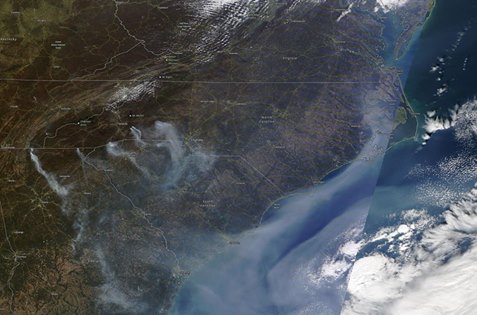
Aerosols are tiny particles floating in the air. They can come from natural sources like bursting bubbles on the ocean, which release tiny crystals of sea salt into the air, or volcanic eruptions, which emit ash and sulfuric acid as tiny droplets. They can also come from human pollution like emissions from the tailpipes of…
Posted in: Climate science -
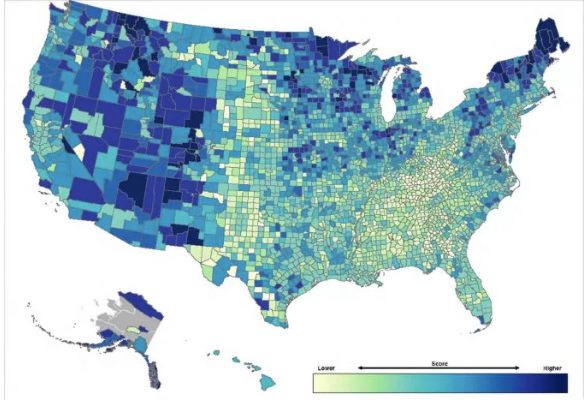
Pacific Standard has published a new map based on a report from the EPA published quietly back in October which shows which counties in the US are most and least resilient to a changing climate, based on information from 117 different data sets. Unfortunately, the Southeast does not come off well, not necessarily due to…
-

The Washington Post has an interesting discussion of how the climate of the Little Ice Age a few hundred years ago affected the development of civilizations across the world. During that time period centered on the 16th century, there was a lot of upheaval to world civilizations as cold conditions caused crop failures and altered…
-
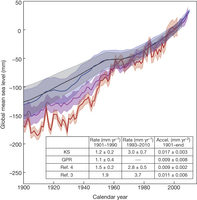
The European Space Agency has a new video out which explains various factors that are causing an increase in sea level at most places around the globe. They include thermal expansion of water, melting of Greenland and Antarctic ice sheets, and changes in water storage. You can view it at Space.com at https://www.space.com/37169-climate-change-effects-earth.html.