Hunt Sanders
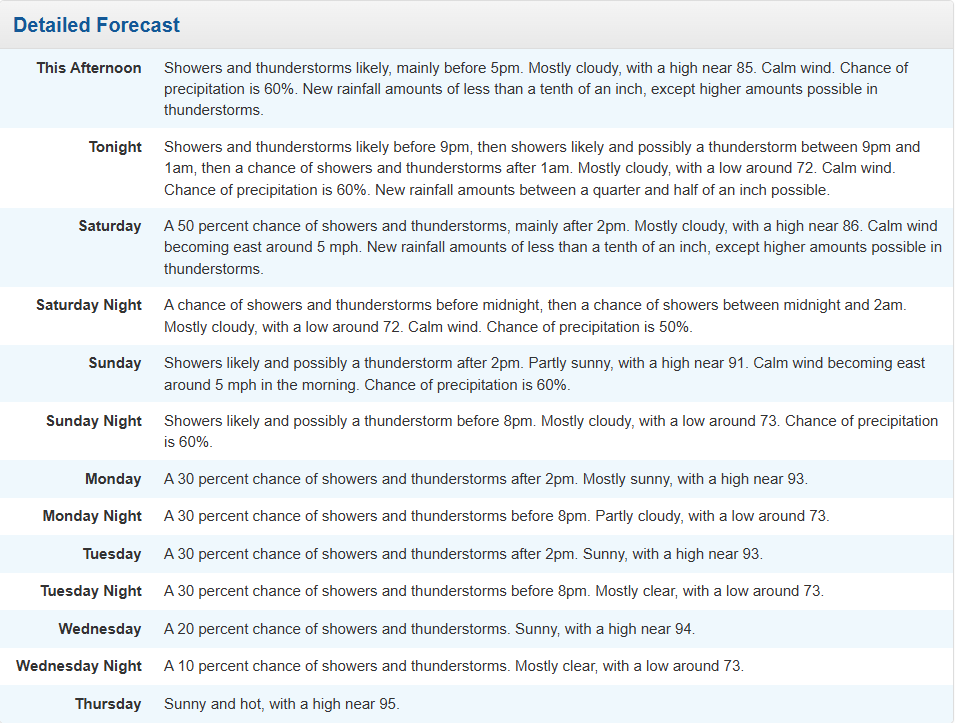
The news from this week.
Leaf spot and white mold is ramping up in peanuts.
Cotton jassids, white flies, and spider mites in cotton.
Target Spot and Areolate Mildew in cotton.
Pasture mealy bug in Decatur county.
Peanut Maturity Checks
Corn is at $5.30 and cotton is at $0.93.
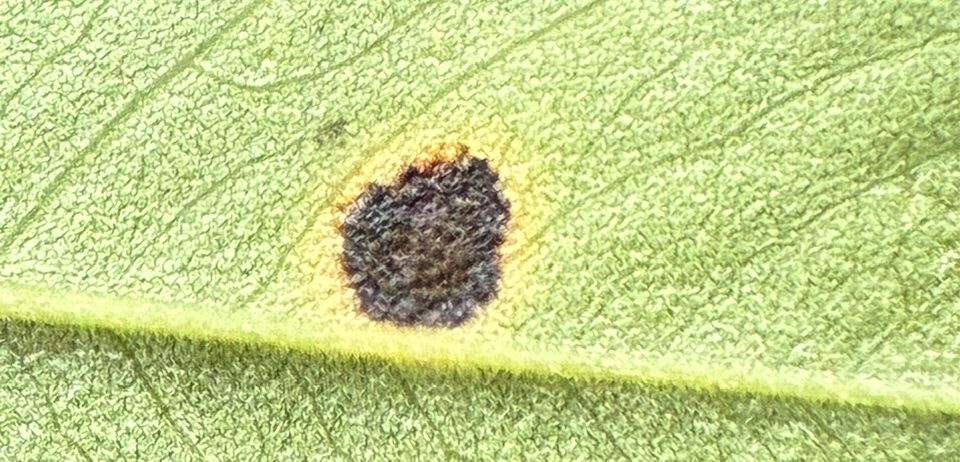
Finish Strong: Managing Peanut Diseases Late Season
With peanut ages ranging from 70 to 125 days after planting (roughly), there is still plenty of time left before digging. As we move into the latter part of the season, disease pressure is beginning to increase, making it important to stay on top of fungicide applications and finish the crop strong.
Conditions are favorable for disease development. Now is not the time to cut corners on premium fungicide applications.
One question that often comes up when applying fungicides is whether we need to irrigate or “wash in” the fungicide for white mold control. The answer is yes—but timing is critical. Timely rainfall or irrigation helps move the fungicide from the foliage down into the canopy and toward the crown of the plant, where it is needed for white mold control. However, we also need to consider the impact that irrigation can have on leaf spot control.
The key is to allow the fungicide enough time to dry before turning on the pivot. Depending on the chemistry, fungicides generally need roughly 2–8 hours of drying time before irrigation or rainfall to maintain good leaf spot control. Waiting too long defeats the purpose, after approximately 48 hours, there is no longer a white mold benefit from irrigating to move the fungicide.
So, when planning a fungicide application, think about both diseases and the timing of the pivot. We don’t want to sacrifice leaf spot control just to get a white mold fungicide washed into the canopy, but we also don’t want to miss the opportunity to improve white mold control with timely irrigation.
Finish Strong
I have also heard some discussion about using Topsin when peanuts are around 80–100 days old. While Topsin can be an effective late-season leaf spot material because of its curative activity, I would prefer to save that tool for later in the season, closer to 120 days after planting, when disease management becomes especially important leading into digging.
At this point in the season, don’t coast to the finish line. Keep scouting, stay timely with fungicide applications, and protect the foliage and pods until the crop is ready to dig. A good crop can still lose yield quickly if disease gets away from us late in the season. Finish strong!


Cotton Jassids Increasing in Ben Hill County
I have identified cotton jassids in Ben Hill County, and populations are increasing very quickly. There is still a considerable amount of cotton in the area that has not reached the irrigation termination point, so now is not the time to let this pest get away from us.
If your cotton has not reached irrigation termination and you reach the treatment threshold for jassids, treat them. Current UGA guidance is 1 jassid per leaf on the 4th mainstem leaf below the terminal. Early hopper burn symptoms combined with the presence of jassids are also an indication to treat.
Think about managing jassids the same way you think about irrigation.
You don’t terminate irrigation just because the crop is getting old—you terminate when the crop has enough moisture to finish.
The same concept applies to jassids. If you have reached your irrigation termination point and your cotton is still green and has enough time left to fill the remaining bolls, but jassids are at threshold, spray them. We have seen fields develop significant injury very quickly, so don’t underestimate how fast this pest can move.
Whiteflies Are Increasing
Whiteflies are also becoming abundant in many fields. Remember that the whitefly threshold is based on nymphs, not adults. Scout the underside of the 5th expanded leaf below the terminal and make management decisions based on the number of immature whiteflies present (Threshold is 5).
If your field is at threshold for both whiteflies and jassids, consider using a product that provides activity on both pests. Products such as Assail, Sivanto, or Venom may be options depending on the specific situation and label.
We are getting late in the season, but there is still yield to protect.


Cotton Disease Pressure Increasing
Areolate mildew and target spot are spreading quickly across cotton fields. With the conditions we have been experiencing, these diseases can move rapidly through the canopy, especially in lush, well-developed cotton.
Now is the time to be scouting the lower canopy closely. Once these diseases become well established and significant defoliation has already occurred, fungicides have a much harder time protecting the crop. The goal is to stay ahead of the disease rather than trying to play catch-up.
Fungicides such as Miravis Top are good options for protecting cotton from target spot and areolate mildew.
Remember: timing is critical. If disease is present and conditions remain favorable for continued development, don’t wait until the disease has moved throughout the canopy. Good spray coverage deep into the canopy is also important when managing target spot.
Scout your fields, know what disease you are dealing with, and make the fungicide decision based on disease presence, crop yield potential, and how much time remains before defoliation.
Pasture Mealy Bug Identified in Decatur County.
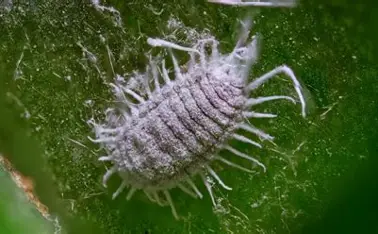

Pasture Mealybug Resources | Forages
Q: What crops could be impacted?
A: All warm season grasses could potentially be impacted. This may potentially include all pasture, hay, cover crops, turfgrasses, corn, sugar cane, and other small grains.
Q: Can I spray something to keep the PMB out?
A: Unfortunately, no. There are no reliable pesticides to prevent or control the PMB. Currently, Sefina is labeled for suppression but resulted are mixed. Biosecurity is the best option we have right now.
Q: Should I be worried?
A: No, but we should be scouting and taking proactive measures to keep our farm safe. Biosecurity is the best option we have right now to slow the spread of the PMB.
In short, this pest is unlike anything else we have dealt with in the region. It has the potential to be incredibly detrimental to grass based agriculture. There is a lot we still don’t know, but rest assured that our team is doing what we can to learn more and keep everyone informed as the situation develops.

It is that time of year again! Time to start checking peanuts—which means it is time to bring out the peanut boiling pot!
Since I am currently covering both Ben Hill and Wilcox counties until further notice, I will be conducting peanut maturity checks for both counties.
Starting Thursday, September 3rd, I will be in Rochelle (Wilcox County) every Tuesday and Thursday for peanut maturity checks.
Remember to bring the plants! The maturity board is a great tool for determining when peanuts are ready to dig, but there is a lot more we can learn by looking at the entire plant. Bringing plants allows us to evaluate peg strength, disease pressure, and overall plant health.
Ultimately, the maturity board is just a tool. The plant will tell you when it is ready to dig.
There are several resources your county agent has access to for assisting the public:
- SpotOn Digital Sprayer Calibrator & nozzle cleaner tool – Accurate flow rate checking of individual sprayer nozzles.
- Fertilizer Spinner-Disc Spreader Calibration – spread pattern testing of fertilizer spreaders.
- Hay Moisture Tester – Evaluation and assessment of hay to bale at optimum moisture content – decrease mold growth and increase feed value. Test baled or unbaled (in field)
- Forced Motor Planter Calibration – at-plant insecticide hopper box calibrations. Potential benefits: increase insecticide application efficacy with the appropriate and effective application of product label and recommended control rate. Decrease
- Mobile Irrigation Lab – Pivot efficiency evaluation/Irrigation audits to support water conservation and decrease irrigation costs.
- Harvest Moisture Testing – Corn and soybean moisture testing to decrease drying time and fuel costs.
- Enviroscape Watershed Model – Environmental education programming tool. Interactive demonstration of the sources and effects of water pollution. Present and illustrate watershed/stormwater concept.
- Rainfall Simulator Tabletop Educational Program tool –
- Digital wind meter educational tool – Anemometer measures wind speed to support safe pesticide applications and reduce drift.
- Pivot Calibrations
- Drone imagery/scouting