As temperatures climb across Northeast Georgia, fly populations increase rapidly and become one of the most common summertime challenges for beef cattle producers. While flies are often viewed as little more than a nuisance, they can significantly reduce cattle performance and profitability if left unmanaged. An effective fly control program not only improves animal comfort but also helps protect herd health and maximize weight gains throughout the grazing season.
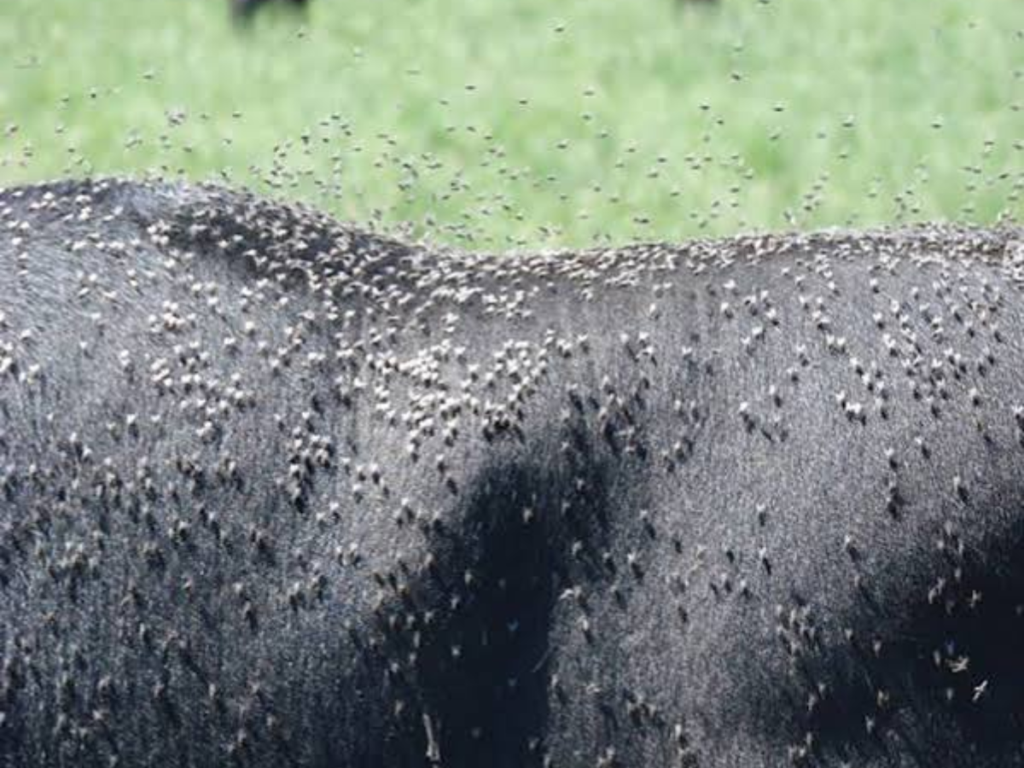
The three most common flies affecting beef cattle in Georgia are horn flies, face flies, and stable flies. Horn flies spend most of their lives on cattle, feeding on blood 20 to 30 times each day. Heavy infestations can cause cattle to spend less time grazing and more time trying to escape biting flies, resulting in reduced weight gain, lower milk production in nursing cows, and increased stress. Face flies feed on secretions around the eyes and nose rather than blood, but they are important because they can spread the bacteria responsible for infectious bovine keratoconjunctivitis, commonly known as pinkeye. Stable flies are also blood-feeding pests and are often found on the legs of cattle, causing irritation that leads to bunching, stomping, and reduced grazing activity.
Weather conditions in Northeast Georgia often favor fly development. Frequent summer rainfall, warm temperatures, and abundant pasture growth create ideal conditions for flies to reproduce. Horn flies lay eggs in fresh manure pats, while stable flies develop in decaying organic matter mixed with manure, hay, or other plant material. Because fly populations can increase quickly, waiting until cattle are heavily infested often makes control more difficult and less effective.
UGA Extension recommends using an integrated pest management (IPM) approach that combines several control methods rather than relying on a single product. Regularly monitoring fly populations is the first step. Economic losses from horn flies generally begin when cattle average approximately 200 horn flies per animal, making routine observation an important management practice throughout the summer.
Several control options are available for producers. Insecticide ear tags remain one of the most popular methods because they provide continuous control for several months when applied according to label directions. Pour-on and spray products can quickly reduce fly numbers but often require more frequent applications. Dust bags and back rubbers placed where cattle naturally travel, such as near mineral feeders or water sources, can provide additional control if maintained properly. Feed-through insect growth regulators (IGRs) help reduce fly development by preventing immature flies from completing their life cycle in manure. These products are most effective when the entire herd consumes the recommended amount consistently.
One of the biggest concerns in fly management is insecticide resistance. Over time, repeated use of the same class of insecticide allows resistant fly populations to develop, reducing product effectiveness. It is recommended to rotate insecticides with different modes of action from year to year and remove insecticide ear tags promptly at the end of the fly season. Leaving old tags in cattle after they are no longer effective exposes flies to low doses of insecticide, accelerating resistance development.
Good pasture and farm management practices also contribute to successful fly control. Cleaning up areas where hay, manure, and organic debris accumulate can reduce breeding sites for stable flies. Rotational grazing and avoiding overcrowding around feeding areas can also help minimize fly pressure. While complete elimination of flies is unrealistic, combining sound management practices with timely insecticide use can greatly reduce their impact.
Every beef operation is different, and the most effective fly control program depends on herd size, management system, and the types of flies present. Producers should routinely evaluate fly numbers, monitor product performance, and adjust their management strategies as needed throughout the season. For more information, contact your local UGA Extension office.
