by Lynn Nations, Fulton County Master Gardener Extension Volunteer
This article is part of Garden Buzz, a series from Appen Media and the North Fulton Master Gardeners, where rotating columnists explore horticulture topics like herbs, insects, and wildlife conservation. Find all Garden Buzz articles here.
As the air grows crisp and the daylight fades, it’s time to turn our attention to a peaceful and essential gardening ritual: putting the garden to bed for the winter. It’s a moment to reflect on the past growing season, celebrate the successes, learn from the challenges and prepare for a strong start next spring. Tucking your garden in for winter isn’t just about cleanup, it’s about care, protection and planning.
Review: What Worked, What Didn’t
Before you grab your tools, take a moment to walk through your garden with a notebook. What thrived? What underperformed? Maybe your tomatoes were heavy with fruit, but your peppers sulked. Perhaps your dahlias dazzled while your lettuce bolted early. Ask yourself why. Was it soil health, weather, watering habits, pests? This reflection is invaluable for improving your strategy next year. Make a list of plants that were stars in your garden, and those you might want to replace or move. Save this list with your seed catalogs and notes for winter dreaming.
Clear Out the Annuals
Annuals have lived their full life cycle. Once they’re spent and frost has taken its toll, pull them up and compost them unless they’re diseased. In that case, dispose of them in the trash to avoid spreading pathogens. Removing annuals not only tidies up your garden but also reduces hiding spots for overwintering pests and prevents the spread of fungal diseases.
Plant Spring Bulbs
Autumn is prime time for planting spring bulbs such as tulips, daffodils, crocus and hyacinths. These sleepy jewels lie beneath the soil, quietly preparing to burst into color as winter loosens its grip. Plant bulbs in well-drained soil at the proper depth (typically 2-3 times the bulb’s height). Cluster them in groups for a natural look, and add a little bulb fertilizer or bone meal to get them started.
Critter Control
Winter doesn’t stop garden pests, many just go undercover. Rodents may chew bark, deer may browse hungrily through your shrubs and rabbits often take a winter nibble. Use hardware cloth around the base of young trees to protect against gnawing. Spray deer repellents if needed. For vulnerable perennials, consider adding netting or wire cages until spring.
What to Cut Back—And What Not To
Perennials often benefit from a fall trim, but not all. Here’s a quick guide:
Cut Back:
- Peonies
- Daylilies
- Iris (especially if foliage has yellowed or browned)
- Bee balm and phlox (to reduce powdery mildew risk)
Leave Standing:
- Ornamental grasses (for winter interest and bird habitat)
- Echinacea and Rudbeckia (their seed heads feed finches)
- Hellebores and ferns (cut back in early spring instead)
Always avoid cutting back woody shrubs in fall, as it can stimulate new growth that will be damaged by frost.
Watering Needs
While it may seem counterintuitive, your garden still needs water until the ground freezes. Evergreens in particular rely on moisture to get through winter. If it’s been a dry autumn, give your trees and shrubs a deep soak before the first hard freeze.
Leaf Management
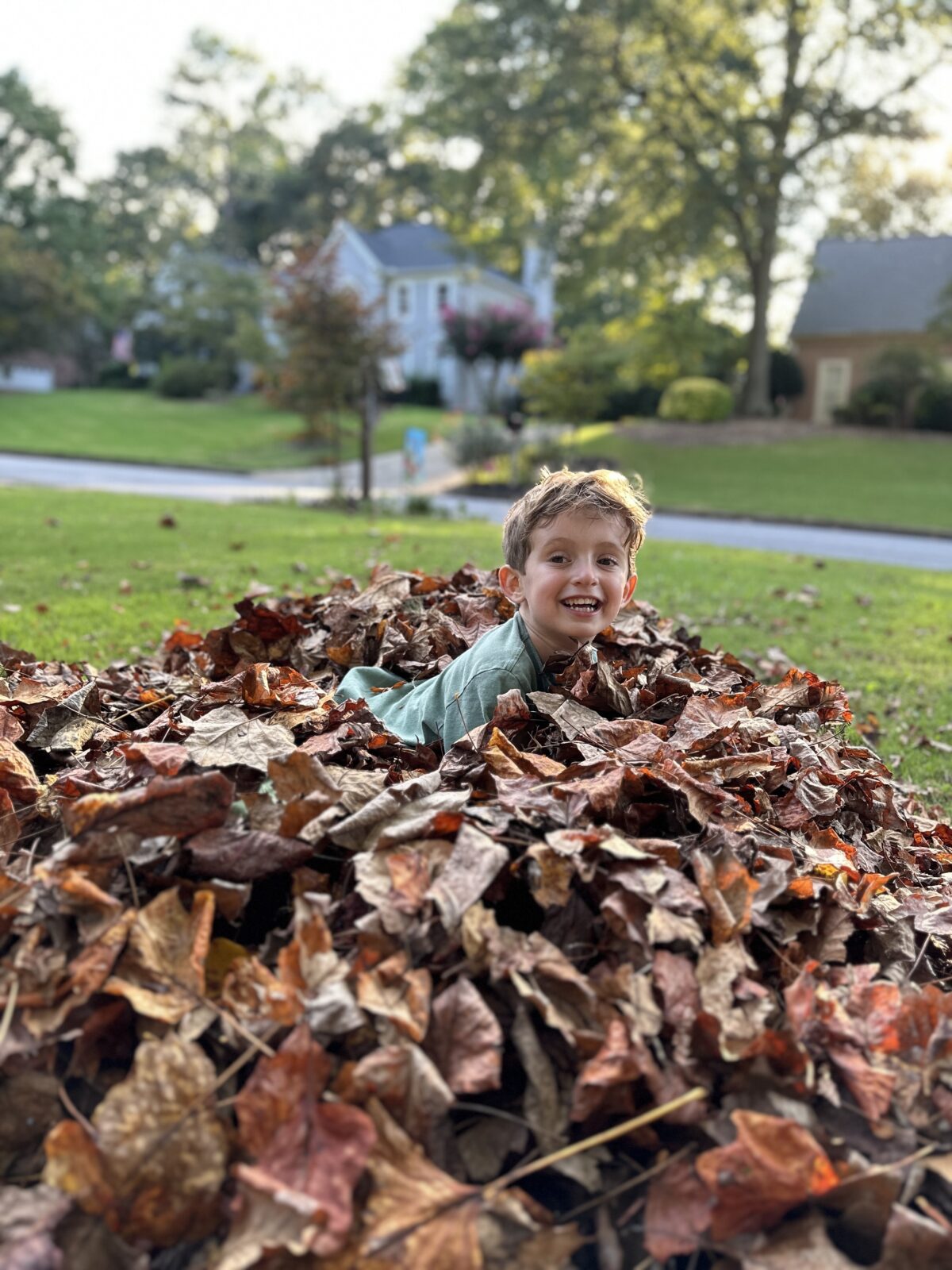
Fallen leaves can be both a blessing and a burden. Instead of bagging them up for trash, shred them and use them as mulch around perennials and garden beds. They insulate roots, improve soil and offer shelter to beneficial insects. Avoid letting thick layers of whole leaves smother your lawn or crown rot-prone plants. Mulch mindfully.
Freeze Protection
For tender perennials or borderline-hardy plants, a little protection goes a long way. Mulch the base with straw or shredded leaves. Wrap shrubs with burlap if exposed to harsh wind. For container plants, cluster them together in a sheltered spot or move them to a garage or shed if possible.
Dream of Next Year
Once the work is done, it’s time for the best part: dreaming. Thumb through seed catalogs, sketch out new bed designs, think about rotating crops or starting a pollinator patch. Winter is a time of rest, but also of vision. Maybe next year you’ll try new heirloom tomatoes, a vertical trellis garden or add a wildlife-friendly corner. Let your imagination grow even as the garden sleeps.
Final Thoughts
Putting your garden to bed for the winter is more than maintenance, it’s an act of care that pays dividends come spring. By reflecting on the season, cleaning with intention, protecting what matters and nurturing your soil and spirit, you’re not just ending a season you’re planting the first seeds of the next.
So zip up your coat, sharpen your pruners, and give your garden the rest it deserves. It will thank you in crocus blooms and tomato vines before you know it.
Happy Gardening!
Learn More
- ‘The Vegetable Gardening Book’, by local author Joe Lamp’l, aka Joe Gardener
- Rural Sprout Newsletter, ‘How to prepare garden beds for winter’
About the Author

Lynn is new to Georgia. She had to follow her grandchildren. Coming from California she had problems determining Georgia plants from weeds. That led her to become a master gardener so she could tell the difference. She is a retired pharmacist, a certified medical qigong instructor, a wife, mother and grandmother. She is a craft dabbler and a baking fool.
