by Dianne Short, Fulton County Master Gardener Extension Volunteer
This article is part of Garden Buzz, a series from Appen Media and the North Fulton Master Gardeners, where rotating columnists explore horticulture topics like herbs, insects, and wildlife conservation. Find all Garden Buzz articles here.
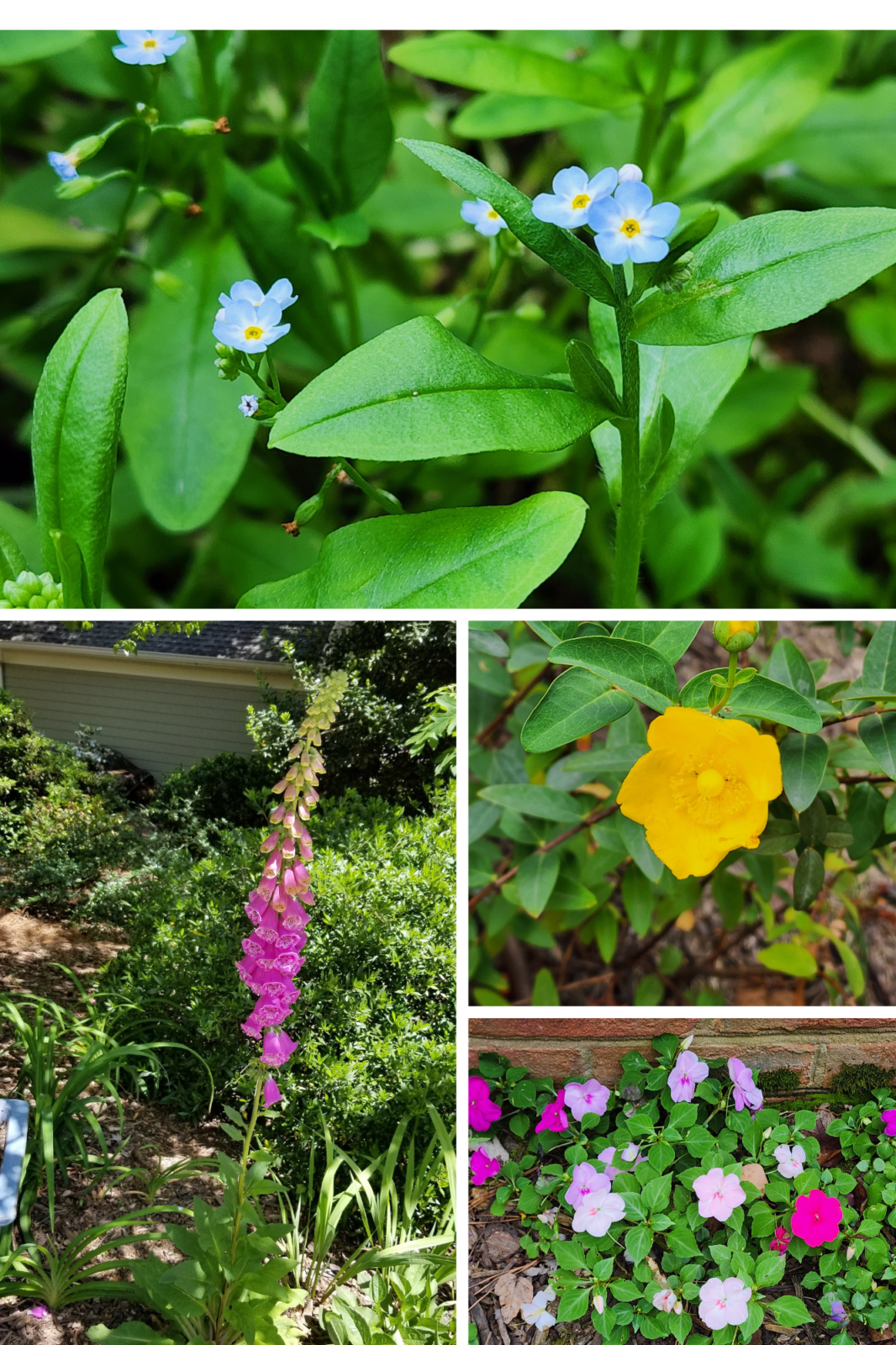
In the spring and summer, we are especially busy in our gardens, loving the beauty and fragrance of many familiar flowers while the bees and butterflies fly about as we work. Winter is a time of anticipated relaxation for gardeners, usually spent planning next year’s garden, often with the help of gardening books. One I recently discovered discusses the common names we use for plants, rather than their often complex and hard to remember Latin names. How did some of those names come to be used? For fun, here are a few:
Dogwood (Cornus spp.)
This is a familiar tree whose flowering beauty is striking every spring. But, what does it have to do with dogs? Most likely this naming has to do with the hardness of the wood. There is an old English word, “dagwood.” Slender stems of the tree’s hardwood were used for “dags” (daggers, skewers and arrows). Sometime in the early 1600s, dagwood was changed to dogwood as language developed.
Bee balm (Monarda spp.)
Sounds like a balm for the bees themselves, but if you notice, this plant does not attract bees. Hummingbirds, yes. There is a resin derived from the plant which can be used for soothing bee stings. Therefore, the balm is really for you!
Foxglove (Digitalis spp.)
Foxglove’s spire of blooms is tall and pointed, very finger-like, thus the proper name of Digitalis. The common name of foxglove comes from this delightful story: a fox was having a hard time sneaking into the henhouse to grab a quick meal. A hint from the naughty fairies was to slip his paws into the glove-like blooms of the plant so he could silently sneak up on the chickens. If you look into the flowers, you will see the fox’s paw prints.
Forget-me-not (Myosotis spp.)
There are many stories about how this little blue flower got its name. In every story, a lover trying to cross a river to reach his sweetheart gets swept away by the current but manages to grasp some flowers on the bank to throw to her as he calls out, “Forget me not!”
Naked ladies (Lycoris spp.)
This lily-like flower grows from a bulb, but by the time the stalk and flower appear, the leaves at the base have disappeared and seem a bit “undressed.” I have also heard them called surprise lilies, as no leaves were there to announce their arrival.
Obedient plant (Physostegia spp.)
This is a beautiful native plant, but obedient it is not. I planted it only once. After it spread aggressively, I ended up having to remove it, as it threatened to take over the flower bed. But on the spike of the plentiful and lovely blooms, if you push a single flower to the side, it will stay there. Therefore, it is obedient—a little bit!
Pokeweed (Phytolacca americana)
This common native plant does have a striking look with red stems and purple berries that birds love to eat but then leave purple “deposits” on your car or elsewhere. The berries are poisonous to mammals, and pokeweed can cause severe dermatitis. Surprisingly, the boiled young leaves are supposedly quite tasty and were often eaten in the rural South and known as poke salet. In the 1960,s there was a popular ballad called “Poke Salad Annie” about a poor rural southern girl who gathered the leaves for salad. Maybe it’s pokeweed because it aggressively pokes its nose up through the soil everywhere!
Impatiens (Impatiens walleriana)
These beautiful, shade-loving plants are popular in gardens for their color and abundant flowers. If you look closely for the seed pods, gently hold one between your fingers and give a small squeeze. The seeds will explode outward, as if impatient to get out and spread, which they do generously. They come back every year in my garden. In the United Kingdom they are known as Busy Lizzies as they are always about the business of spreading.
St John’s wort (Hypericum spp.)
“Wort” is an archaic word meaning plant or herb. This herb has a calming influence when ingested and was often carried by missionaries due to great regard for St. John the Baptist. It also comes into flower around June 23, which is St. John’s Day, which may also account for its common name.
Learning about these common names gave me a new perspective on some old plants. Keep in mind the reason they have botanical (Greek or Latin) names is because the same plant can be called different things in different parts of the world, emphasizing the global nature of horticulture and our shared common interests across the globe.
Happy Gardening!
About the Author

This week’s guest “Garden Buzz” columnist is Roswell resident, Dianne Short. Dianne has been a Master Gardener for 22 years, taking her initial training in Virginia. In 2013, she moved to Roswell to be near grandchildren and affiliated with the North Fulton Master Gardeners. Dianne is a retired school social work specialist. Her interests are organic gardening; native plants; and attracting birds, bees, and butterflies to her garden.
