-
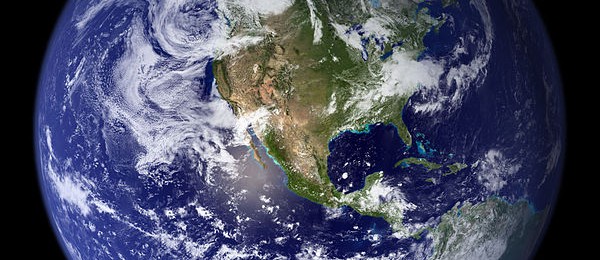
When someone says to me that the climate is always changing, I inwardly roll my eyes and agree with them that climate has definitely changed over time and is still changing due to natural variability like El Niño (short-term) and orbital variations that cause ice ages (long-term). Climatologists have been studying these changes for a…
Posted in: Climate science -
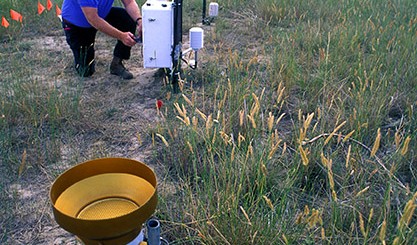
Ben Potter of AgWeb posted an interesting short story this week on how farmers can improve their operations by using weather sensors in their fields to make better management decisions. In the past, farmers have used available weather data from nearby official stations to help decide when to plant and harvest or if irrigation is…
Posted in: Climate and Ag in the news -
People that are skeptical about the warming effect of carbon dioxide often point to the fertilization effect of CO2 on plants, causing them to grow more rapidly. Of course, that is just one factor in the growth of plants–they also need water, nutrients and sunlight to grow. A New York Times article this week describes…
-
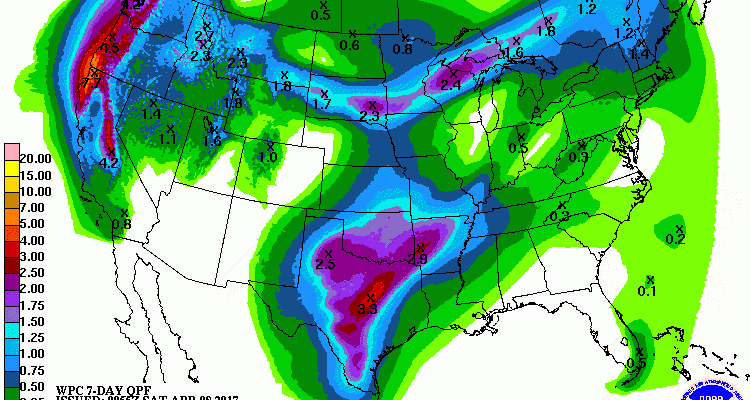
After a lot of rain was dropped on parts of the Southeast last week with two active storm systems, this coming week should be almost dry for many parts of the region. The rainfall map shows only a few areas getting a little light rain starting in mid-week, but many areas can expect to be…
Posted in: Climate outlooks -
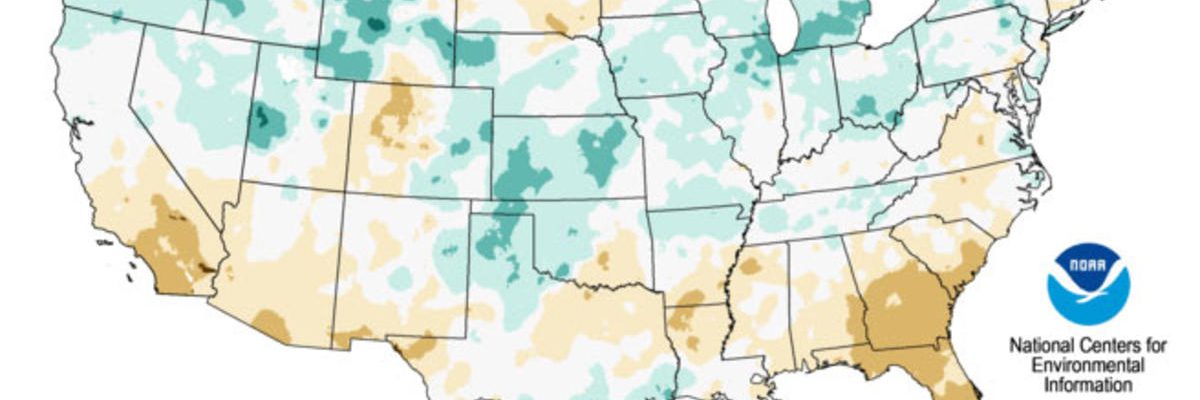
NOAA’s latest climate summary for the United States was published yesterday. It shows that overall it was the second warmest year to date on record since 1895, following the very warm 2012. The warmest part of the country was the Southwest, where many areas observed record high temperatures, and the coldest part of the US…
Posted in: Climate summaries -
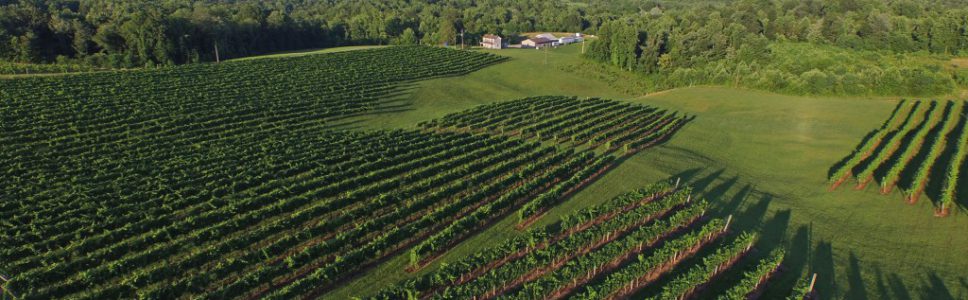
As the climate changes and warmer temperatures move towards the poles, there will be winners and losers. Food and Wine features one of the winners in a warmer climate–wine producers in the south of England, who are now able to produce sparkling wines that rival the traditional Champagnes of France. It’s not just the changing…
-
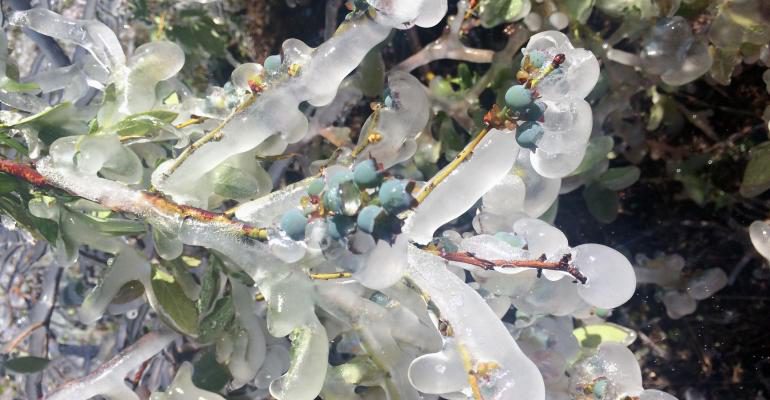
Brad Haire of the Southeast Farm Press published a compelling story this week about one blueberry growers’ family and their efforts to save this year’s bumper crop from the killing frost which hit the Southeast in mid-March. Many producers will be able to relate to the decisions the family made to try to save their…