Fruit
-

I have never eaten a pawpaw, and have never even seen one, but I am fascinated by this story by Public Radio International about this native fruit, which used to be found in northern parts of the Southeast and across the eastern US. I understand that the fruit does not transport or store well, which…
-
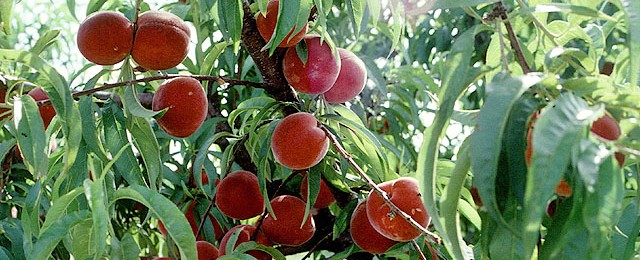
WABE in Atlanta reported this week that the lack of chill hours this year is becoming a real concern to peach farmers in Georgia. Most varieties need close to 1000 chill hours to set a good fruit crop. Last year they had about 750 and the yields were down by 20 percent. This year most…
-
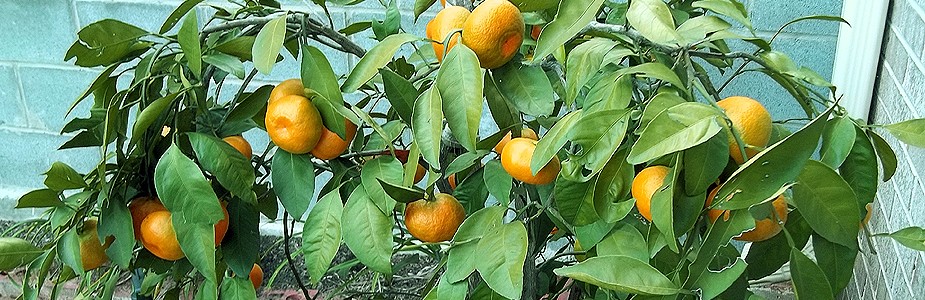
With milder winters occurring in the last few years, there is a renewed interest in growing citrus in northern Florida and even up into Georgia. In the last few years I have worked with some farmers starting to grow satsumas in southwest Georgia. Once the trees are established, they can take temperatures down as low…
-
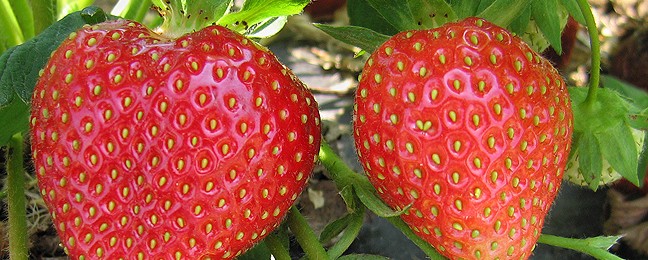
Iowa State University has announced a new set of publications discussing the impacts of weather and climate on several specialty crops. The publications are listed collectively as “Climate and Weather: Specialty Crop Growers’ Views and Priorities to Manage Uncertainty in Production Systems.” While most these publications are aimed at folks from the Midwest, there is…
-
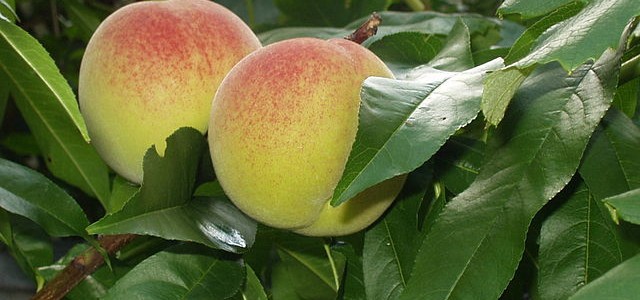
The Macon Telegraph ran a story earlier this week on the impacts of the unusually warm winter on chill hours for peaches. As I mentioned in a post a few days ago, the number of chill hours accumulated over this winter is only about half of the normal number of chill hours. Peaches need a…
-
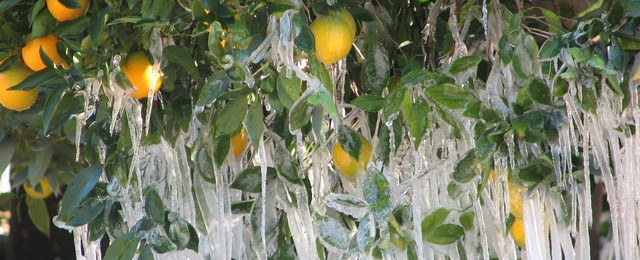
This Day in Weather History posted an interesting story today on Facebook on the terrible freeze of February 2-9, 1835. The cold was so intense that it froze the St. Johns River for “several rods from the shore” and killed off entire groves of citrus trees. You can read more about it at https://www.weather.gov/media/tbw/paig/PresAmFreeze1835.pdf. A list of…
-

Because of this year’s warm weather throughout the winter months, the accumulated chill hours that we have seen this year are even lower than last year’s values, and is only about 50% of what we usually expect by this time of year. If we use previous years of weather data to project the range of…