Crops
-
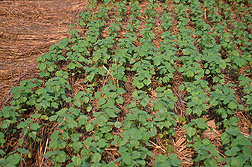
Brad Haire of the Southeast Farm Press posted a story this week on crop conditions in Georgia, Florida and Alabama going into the end of May based on reports from the Weekly Crop Bulletins from USDA Ag Statistics. While most crop planting is about ten percent ahead of normal, the torrid and dry conditions that…
-

While in the Southeast we have been experiencing warm temperatures and some rain although fairly dry the last month, farmers in other parts of the country are fighting a lot of rain and cold temperatures. How does that affect corn growth in those areas? AgWeb posted an article which describes some of the effects of…
-

Weather conditions that are getting warmer, more variable and more extreme are causing farmers to think about new ways to farm. One way is to move cultivation indoors where light, rainfall, and other factors can be controlled and production can occur all year. E&E News posted an interesting story about a huge indoor production facility…
-
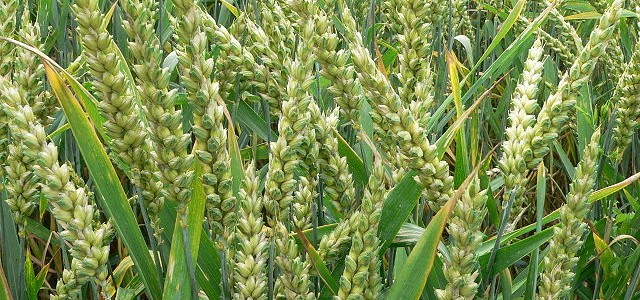
While a lot of the Southeast has been quite dry in the last few weeks, North Carolina has been fighting wet conditions. This has caused problems for wheat farmers, who are seeing problems with pests like mites and fusarium wilt. Farmers there will need to monitor their crops carefully so they can head off worse…
-
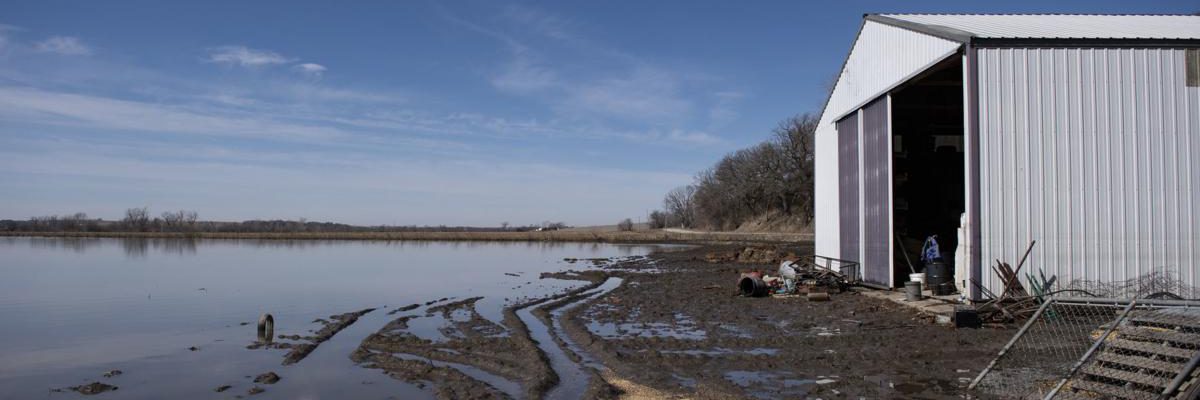
Growing Georgia posted a story today about estimates of damage due to the Midwestern storms earlier this spring. The estimates from Accuweather, which include a variety of different impacts from both the blizzard and extensive flooding, estimate that damages may be as much as $12.5 billion. And with another strong storm expected to hit that…
-

The Southeast Farm Press has a short slide show, presented by UGA’s Eric Prostko, which describes all of the different ways that herbicide can disappear from your crops. Many of them are related to the weather, either rainfall or sunshine. You can view it here.
-
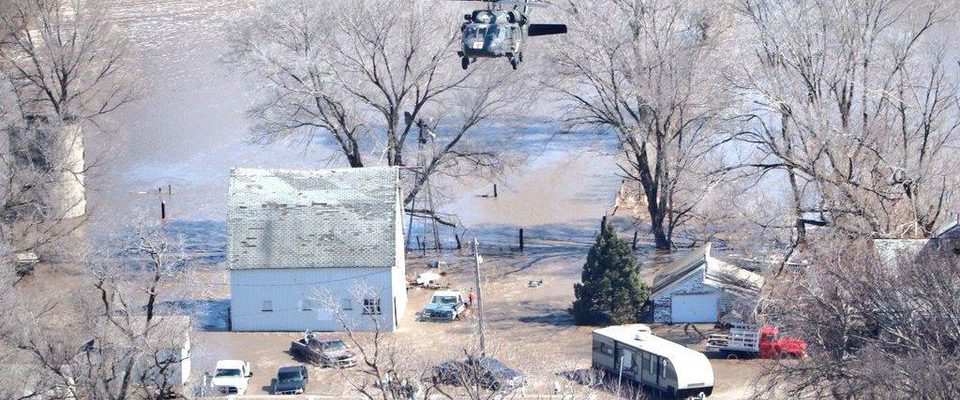
While it’s a clear and sunny day here in the Southeast, farmers in the Midwest are still struggling with the impacts of the catastrophic flooding that hit in March. Some of them may never return to farming after seeing their herds, barns and houses washed away and their fields buried under feet of river silt…