Coastal
-
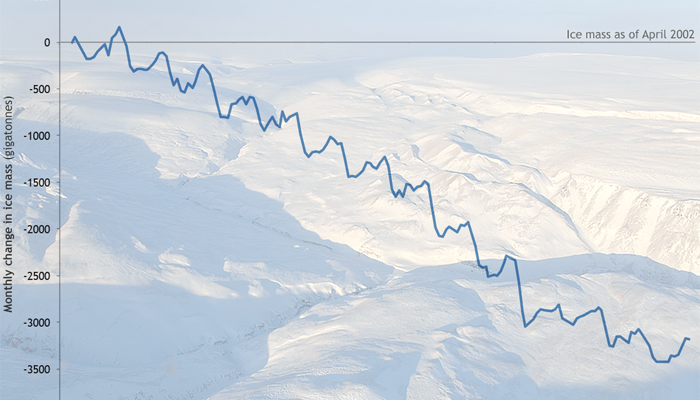
A new NOAA-sponsored report shows that unprecedented warming air temperature in 2016 over the Arctic contributed to a record-breaking delay in the fall sea ice freeze-up, leading to extensive melting of Greenland ice sheet and land-based snow cover. The Arctic Report Card, released this week at the annual American Geophysical Union fall meeting in San Francisco,…
-
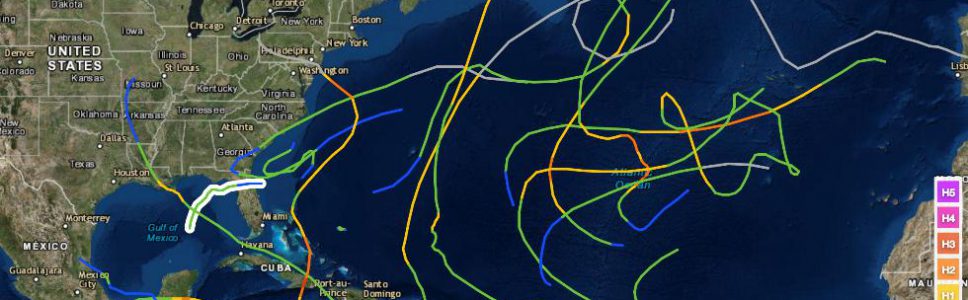
NOAA has a (new to me) snazzy web site which provides access to 1792 data sets in 115 collections. It’s called the Digital Coast and you can see it and use it to search for your data needs at https://coast.noaa.gov/dataregistry/search/collection. The data range from bathymetry to aquaculture to sea bird counts. It also includes several climate-related…
-

A beautiful new video from the Savannah College of Art and Design in cooperation with UGA’s Marine Extension, Georgia Sea Grant and the Georgia Forestry Commission explains the importance of natural landscapes and how they reduce stormwater runoff. Not only do they reduce erosion but they also trap pollution and help keep it from getting…
-
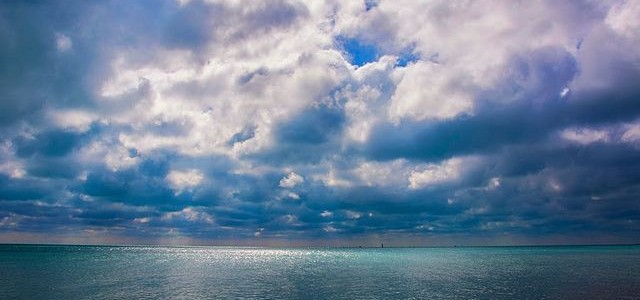
Miami is one of the most vulnerable cities in the US to the effects of rising sea level, which is caused by a combination of warming ocean waters and melting land ice from Greenland, Antarctica and mountain glaciers. One response that beachside communities do to maintain their waterfronts is to do beach replenishment by pumping…
-
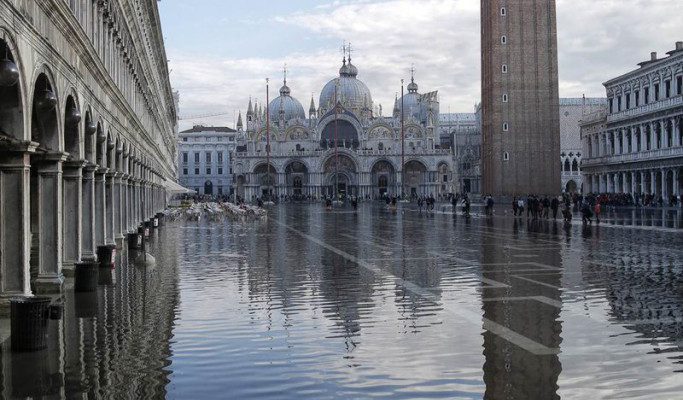
Have you enjoyed the view of the full moon that has occurred over the last two nights? Even with all of the smoke in the Southeast, the drought has kept skies reasonably clear and most folks have gotten a glimpse of how big it is, because it is on the nearest point of its orbit…
-
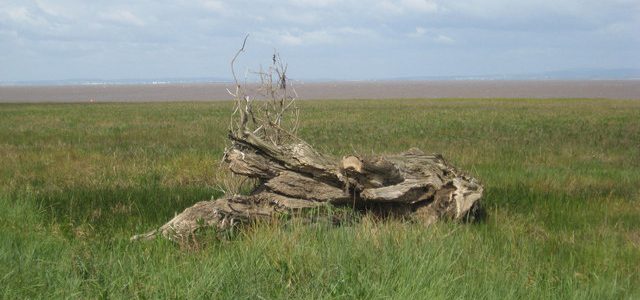
Environment 360 has an interesting story about how rising sea levels are killing off forests near sea level due to the impacts of salt water intrusion into wetlands near the coast. The trees have become a “ghost forest” of dead trees surrounded by marsh grass. Changes like this are occurring at many places along the…
-

Some new research at the University of Georgia indicates that sands from the Sahara, blown across the Atlantic, can do more than suppress hurricane formation. Researchers there have found that a genus of marine bacteria called Vibrio feed off the Saharan dust, leading to large blooms of the potentially harmful pathogen in ocean surface water. Vibrio…