Climate science
-

Deke Arndt’s latest post in NOAA’s “Beyond the Data” blog has a great description of the Southeast drought that we are experiencing this year. It does an excellent job of describing how the drought developed and discusses how drought monitoring is done when dryness occurs at different time scales. You can read it here.
-
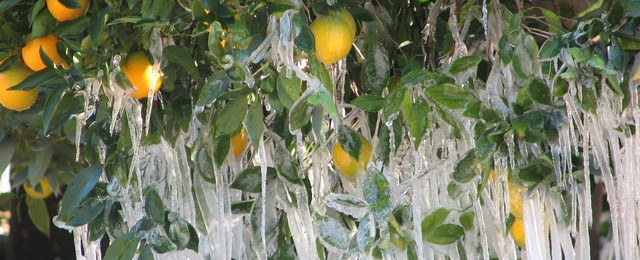
I read a story this morning in Growing Georgia reminding producers that the deadline for purchasing crop insurance for fruit is coming on November 20. I thought I would take a minute to discuss what the current weak La Niña means for spring frost. In general, neither El Niño nor La Niña are particularly indicative…
-

Weather Underground had some interesting pictures of clouds in upstate New York that looked a bit like jellyfish. While we don’t have any clouds in the sky outside my office today (remember that a drought is too many days of nice weather in a row), I have seen similar clouds in the past and someday…
-
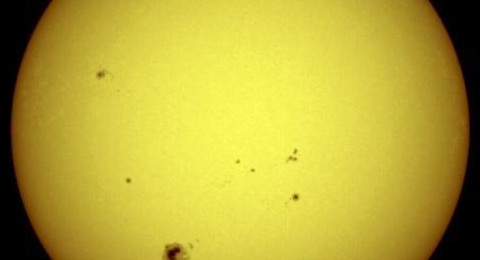
Is the sun causing the warming we have seen in recent decades? This is a comment I occasionally get from people who are not paying careful attention to how climate works. While solar radiation can affect climate on a variety of time scales (ice ages from distance-related orbital changes in our trip around the sun,…
-
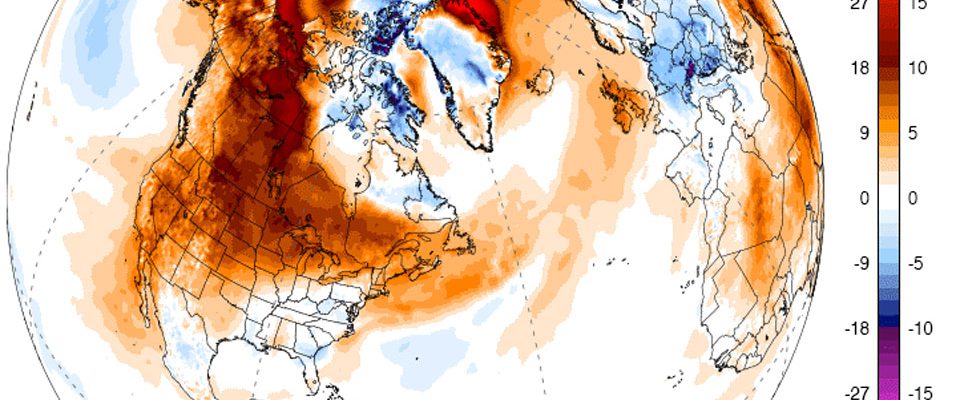
If you’re wondering where the cold air is this time of year, you are not alone. A number of my friends have noted on Facebook how late the frost is to Minnesota and the upper Midwest this year and here in the Southeast we are later than normal as well. You can read about some…
-
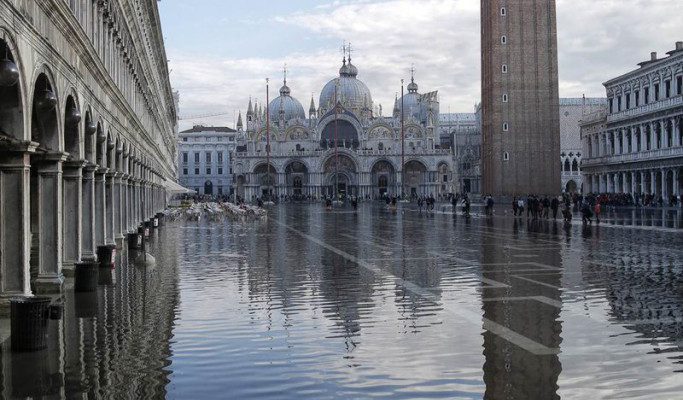
Have you enjoyed the view of the full moon that has occurred over the last two nights? Even with all of the smoke in the Southeast, the drought has kept skies reasonably clear and most folks have gotten a glimpse of how big it is, because it is on the nearest point of its orbit…
-

Earlier this fall EPA announced that they have updated their web resources on climate impacts in the Southeast. You can find information on trends in temperature and precipitation around the region as well as projections for future conditions at https://www.epa.gov/climate-impacts/climate-impacts-southeast.