
Recent Posts
-
It is a hot, sticky, humid summer afternoon. Your birds are heavy, all the tunnel fans are running, and the evaporative cooling pads are thoroughly wet. Despite your best efforts to keep the birds comfortable, house temperatures are climbing and the birds are panting. Many broiler growers have faced this high-stakes scenario during summer months…
-
Antibiotic use in chicken production has long been a subject of scientific, regulatory, and public opinion debate. While antibiotics have historically played a significant role in maintaining flock health and improving production efficiency, concerns about antibiotic bacterial resistance and antibiotic effects on human health have prompted major shifts in poultry industry practices. Consumers today are…
Posted in: Broiler -
Monitoring poultry body weight is important for evaluating the growth and performance of a flock. The bodyweight and uniformity of the flock are essential to understand growth pattern, efficiency, health condition, and production prediction. The traditional protocol is to manually sample and weigh a portion of the flock by using a platform scale or hanging…
-
Overview Lighting is an important management tool for small and backyard poultry flocks. Proper light levels and day‑length help regulate feed intake, growth, behavior, and egg production. LED (light‑emitting diode) bulbs have become a preferred lighting option for many poultry keepers because of their efficiency, durability, and spectrum control. In a real-world scenario, a small…
Posted in: Backyard -
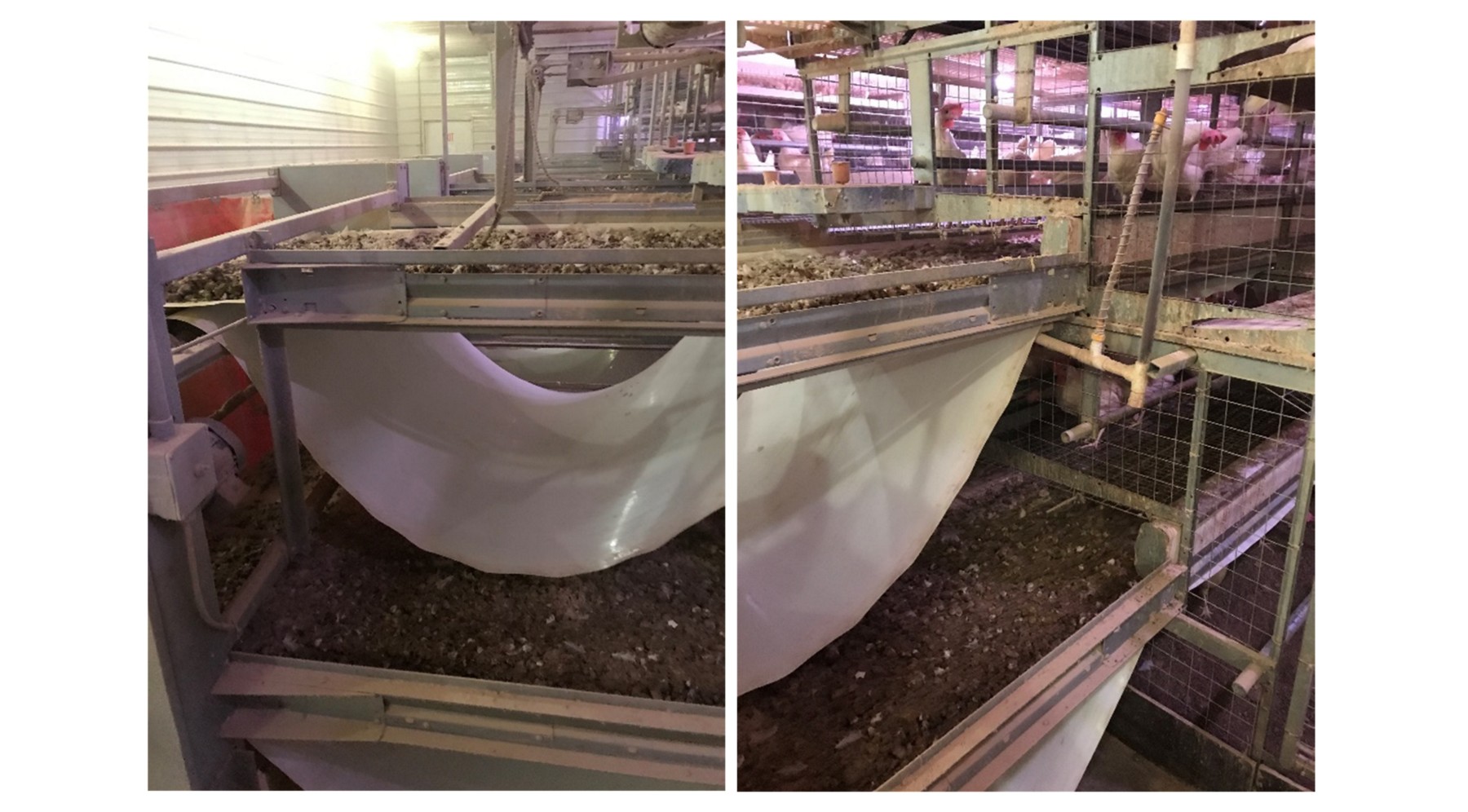
Author: Dr. Lilong Chai, Assistant Professor & Poultry Engineering Specialist Importance of Layer Manure Drying A layer house with 100,000 hens produces 1,500 to 2,000 tons of manure every year. Fresh layer manure contains about 75% moisture that must be reduced prior to storage and land application. High moisture manure can lead to higher transport…
-
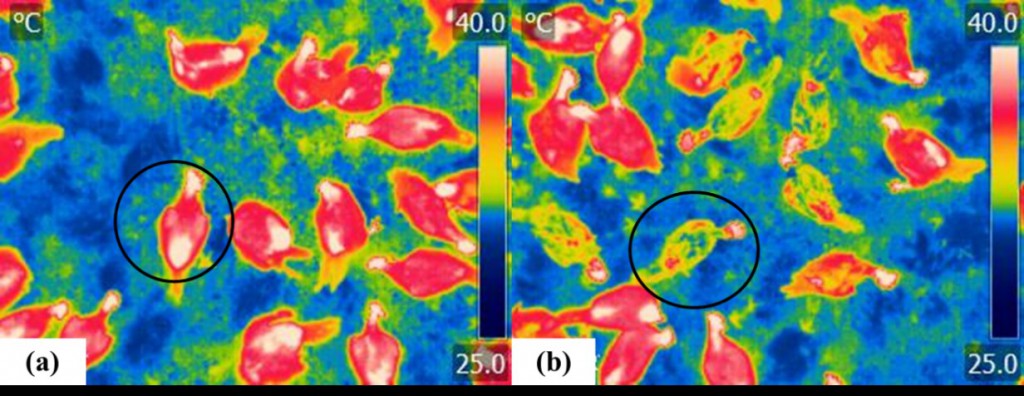
Dr. Lilong Chai, UGA Poultry Engineering Specialist Heat Stress in Laying Hens Heat stress is one of the primary concerns for laying hen production in the summer as heat waves may significantly increase flock mortality and reduce egg production in hen houses. The use of mechanical ventilation and cooling cells are popular cooling methods used…
-
Cage-free production and floor egg issues Poultry production (meat and eggs) provides cost efficient protein for human beings. Currently the U.S. is the world’s largest broiler producer (41 Billion lbs. in 2017) and the world’s 2nd largest egg producer (105 Billion table eggs in 2017). However, the U.S. egg industry is facing a number of…
-
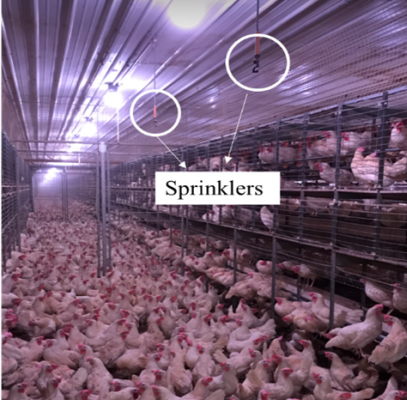
PDF Version Cage-free henhouse and dust Concerns over animal welfare have led to pledges of sourcing only cage-free eggs by many U.S. food retailers and restaurants such as Walmart and McDonald’s by 2025 or 2030. According to the current number of pledges, it would take more than 70% of the current US layer inventory to…
-
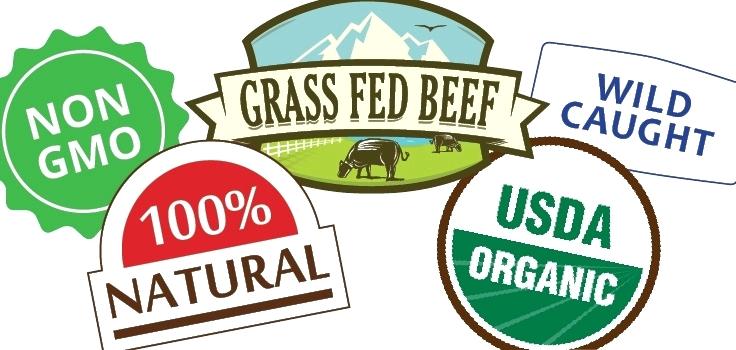
Over the years, there has been an increased demand for organically or naturally produced poultry products mostly due to the perception that these products are safer, tastier and healthier. In the United States, organic poultry broiler production increased from 1.9 million birds in 2000 to more than 10.4 million in 2005, while organic layer production…
-

PDF Version Mycotoxins are secondary metabolites produced by certain fungi. Secondary metabolites are compounds that are produced by an organism but are not required for normal metabolic activities like growth or reproduction. Antibiotics are also secondary metabolites produced by fungi, however, the classification of something as an antibiotic or a mycotoxin is based on whether…