Ross Greene, UGA Extension Agent, Evans and Candler Counties
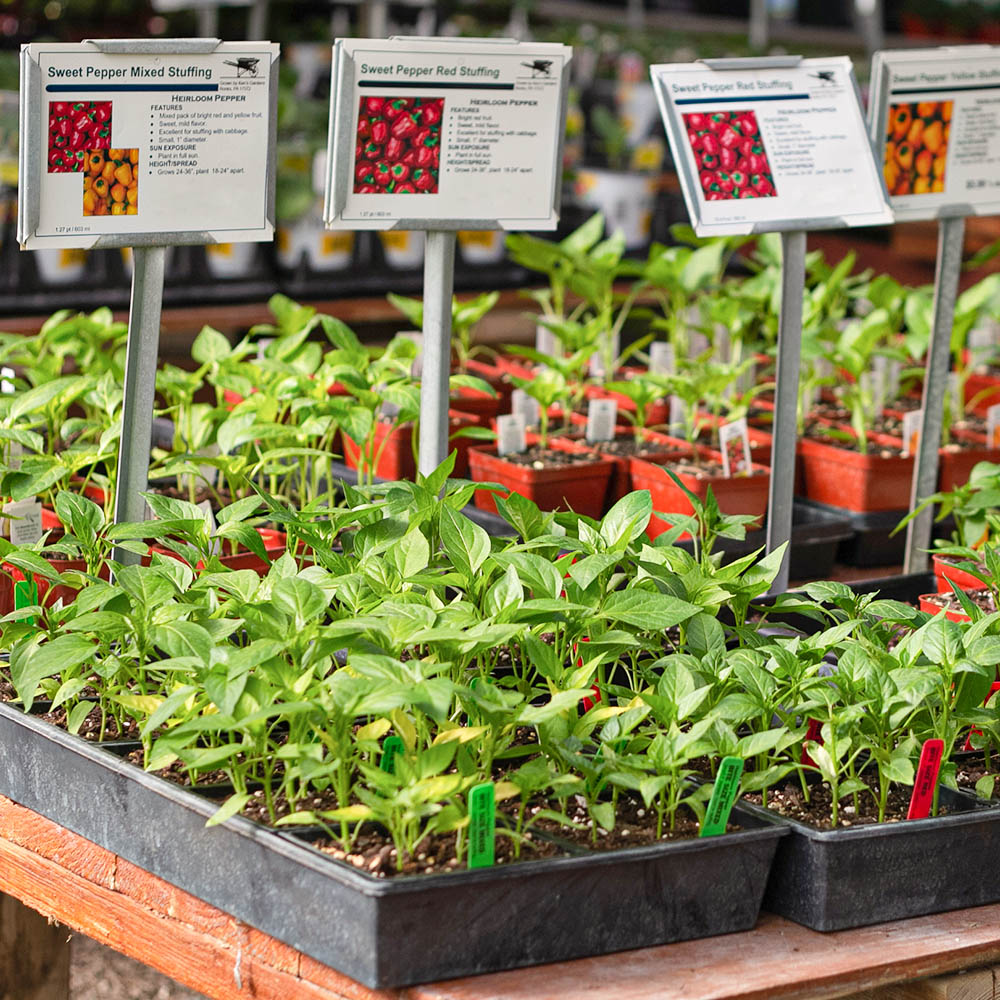
As we move toward spring each year, many gardeners begin thinking about getting an early start on planting. Vegetable transplants start showing up in local stores, and a few warm afternoons can make it feel like gardening season has officially arrived. However, warm-season vegetables planted too early often struggle in Georgia’s unpredictable late winter and early spring weather.
I often get asked by gardeners, “Do you think it is too early to plant tomatoes?” Most of the time, the answer is yes.
Georgia spring weather has a way of teasing us. We might hit the mid-70s during the day, and it is easy to think winter is behind us. Then we will turn right around and have a week of chilly nights, cold rain, or even a late frost. Warm-season vegetables do not handle that kind of back-and-forth very well. Tomatoes and peppers may survive, but they usually do not thrive when planted too early. They sit there stressed and stalled, sometimes turning yellow or purple, and gardeners wonder what went wrong.
One thing folks do not always realize is that air temperature and soil temperature are two different things. Sure, it might feel like spring at three o’clock in the afternoon, but the soil down where the roots live is often still cold in March. Soil warms up slowly, especially after cold nights. When the soil stays cool, warm-season vegetables simply do not grow as they should. They want warmth from the ground up.
University of Georgia Cooperative Extension reminds gardeners in its publication Georgia Homegrown Tomatoes (Bulletin 1271) that tomatoes are a warm-season crop and should be transplanted outdoors only after the danger of frost has passed. Garden centers bring plants in early because people are excited, and I understand that, but the calendar and the store shelves do not always match what Mother Nature is doing outside.
UGA Extension also emphasizes the importance of soil temperatures in a recent article, Soil Temperatures: Don’t Rush Mother Nature. Many warm-season vegetables originate from tropical climates and struggle when planted into cold ground. Extension specialists recommend soil temperatures of at least 60 degrees before planting crops like tomatoes, cucumbers, or snap beans, and closer to 70 degrees before planting peppers, squash, or watermelons. Planting into cold soil can slow growth, increase disease risk, and lead to disappointing results later on.
If you have spring fever, do not worry. There are still plenty of good things you can plant early. Cool-season crops like spinach, broccoli, cauliflower, and Irish potatoes do just fine this time of year. Tomatoes, peppers, squash, cucumbers, and beans are better off waiting until the soil has warmed adequately. Planting a little later often leads to healthier plants and better results once true spring weather settles in.
I always tell folks that planting a couple of weeks later is usually better than planting a couple of weeks too early. It saves money, saves frustration, and leads to stronger gardens once the season is fully underway. So, if you are tempted by those pretty tomato plants right now, my advice is simple. Enjoy looking at them, but maybe do not take them home just yet. March is for planning, April is for planting, and May is for thriving.
UGA Home Grown Tomatoes Publication: https://fieldreport.caes.uga.edu/publications/B1271/georgia-homegrown-tomatoes/
UGA Home Grown Summer and Winter Squash:https://fieldreport.caes.uga.edu/publications/C993/homegrown-summer-and-winter-squash/
UGA Garden Calendar: https://fieldreport.caes.uga.edu/publications/C943/vegetable-garden-calendar/
