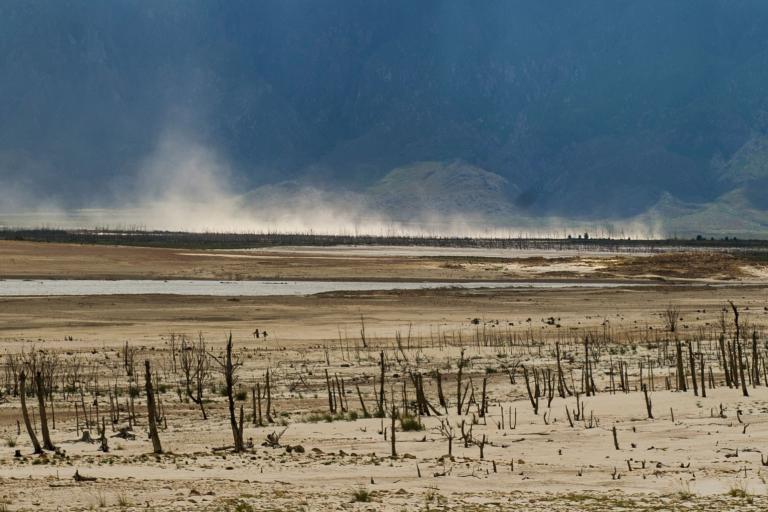
Yale Environment 360 has a really interesting article which describes some of the ways that climate zones are shifting on earth. This has profound implications for agriculture as well as ecosystems because the climate zones (defined by a combination of temperature and precipitation characteristics) determine the kinds of crops you can grow and when you can grow them. The zones also help delineate where different types of natural plants and ecosystems occur. As they change, the mix of crops and other plants will shift in response to those changes. These shifts are already well documented in careful scientific measurements of the globe, but changes are likely to continue as greenhouse warming raises the temperature of the earth even more.
You can read the article here.