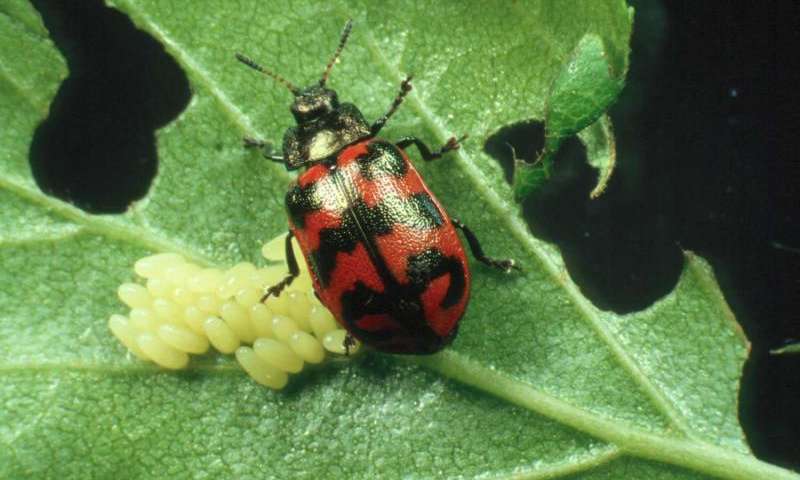
In a warmer climate with a longer growing season, climatologists have generally considered that the longer frost-free season will lead to an increase in insect pests that affect both crops and livestock. I was interested to see an article posted today in Phys.org describing the impacts that a warming climate may have on insect pests, and it is not always as bad as expected.
The study described in the article says that “a new study by a University of Michigan ecologist and his Finnish colleagues concludes that other factors, such as changes in the amount of air pollution in a forest, can outweigh the pest-favoring effects of climate warming.” So to fairly judge the impacts of increasing warming on insect pests, you also have to include the effects of changing things like local air pollution, which is more difficult due to differences in local regulation which controls the emission of pollutants.
Read more at: https://phys.org/news/2016-06-climate-sometimesbut-alwaysbenefits-insect-pests.html#jCp