When you think about youth leadership, you likely picture high school students serving as club officers, organizing service projects, or taking on leadership roles in their schools. However, leadership development does not have to wait until students have reached high school. In fact, middle school may be one of the best times for young people to begin practicing what it means to be a leader.
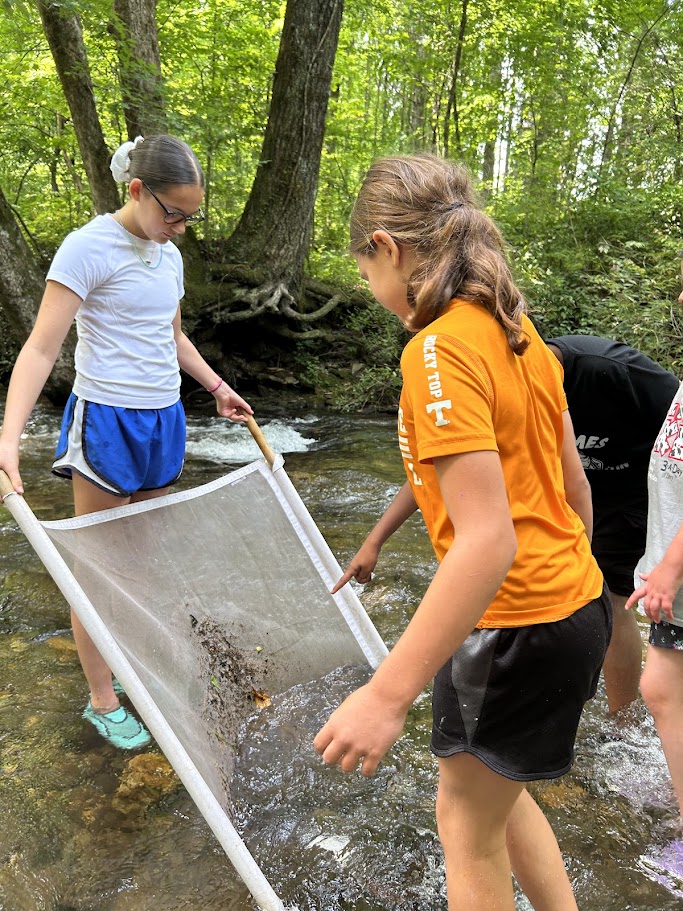
Middle school is a time of tremendous growth. Young people are becoming more independent, discovering their interests, and starting to think more seriously about the kind of person they want to become as an adult. They are also ready for more responsibility. Giving this age group opportunities to lead helps them develop skills they will continue to use throughout high school, college, careers, and adulthood.
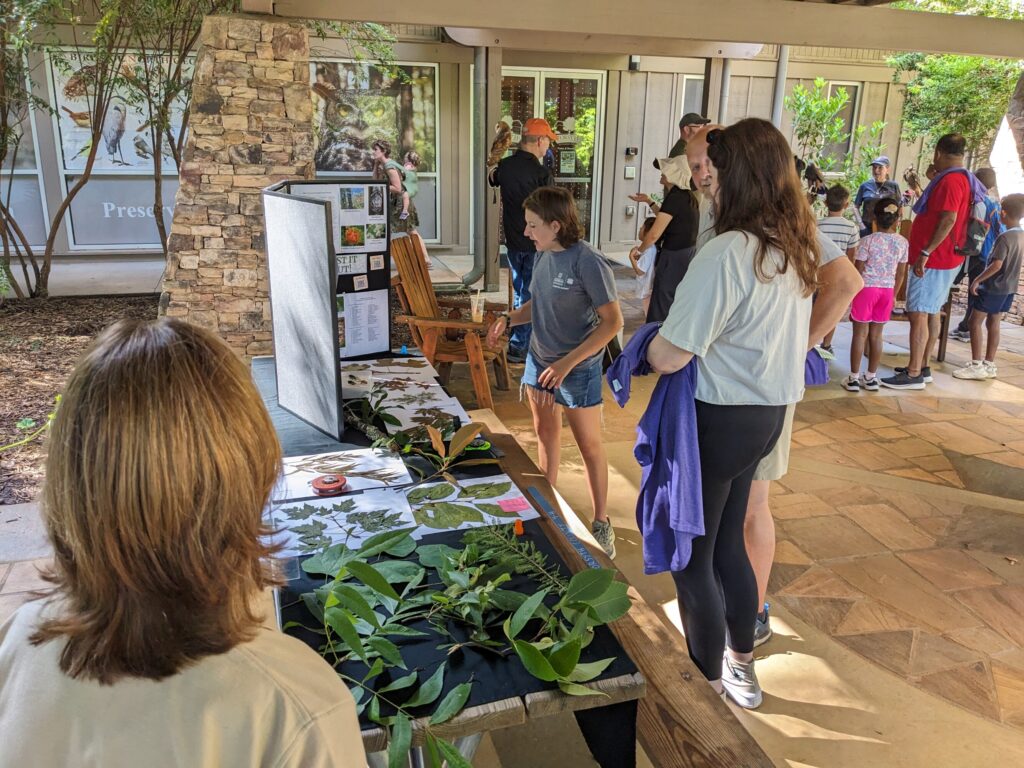
One of the most important things to understand about leadership is that it is a skill, not simply a personality trait. A leader does not have to be the loudest person in the room or the person who always has the answer. Leadership involves listening, communicating, making decisions, solving problems, working with others, and taking responsibility. These are skills that can be learned through practice. That means adults need to give young people opportunities to do more than simply help.
There is a difference between asking a young person to set up chairs for an event and asking that young person to help plan the event. Young people develop confidence when they know their ideas are valued and their decisions can make a difference. Of course, giving young people responsibility does not mean adults disappear. Middle schoolers still need guidance, encouragement, and appropriate boundaries. They also need adults who are willing to let them make mistakes. If you reflect on your own leadership journey, you can probably remember a time when you were forced to figure out why something was not working, had to quickly come up with a solution, and try again. Oftentimes, these real-life experiences are the most valuable learning tools.
Giving youth the safe space to lead as a middle school student is one of the ideas behind a new program in Forsyth County 4-H called 4-H Discovery Club. The teen-led project club gives Certified Teen Leaders an opportunity to share their interests and teach younger 4-H members through hands-on lessons.
Over the summer, Certified Teen Leaders met with 4-H staff twice to learn about classroom management and lesson planning. The topics they will teach this school year can range from arts and crafts to science and technology, giving teens the opportunity to build lessons around subjects they enjoy. Before teaching their lessons to younger 4-H members, the teens practiced their lesson plans with their peers and received feedback about what works and what could be changed. This opportunity gave them a chance to build confidence, adjust, and learn from their experience before stepping into the classroom during 4-H Discovery Club this school year.
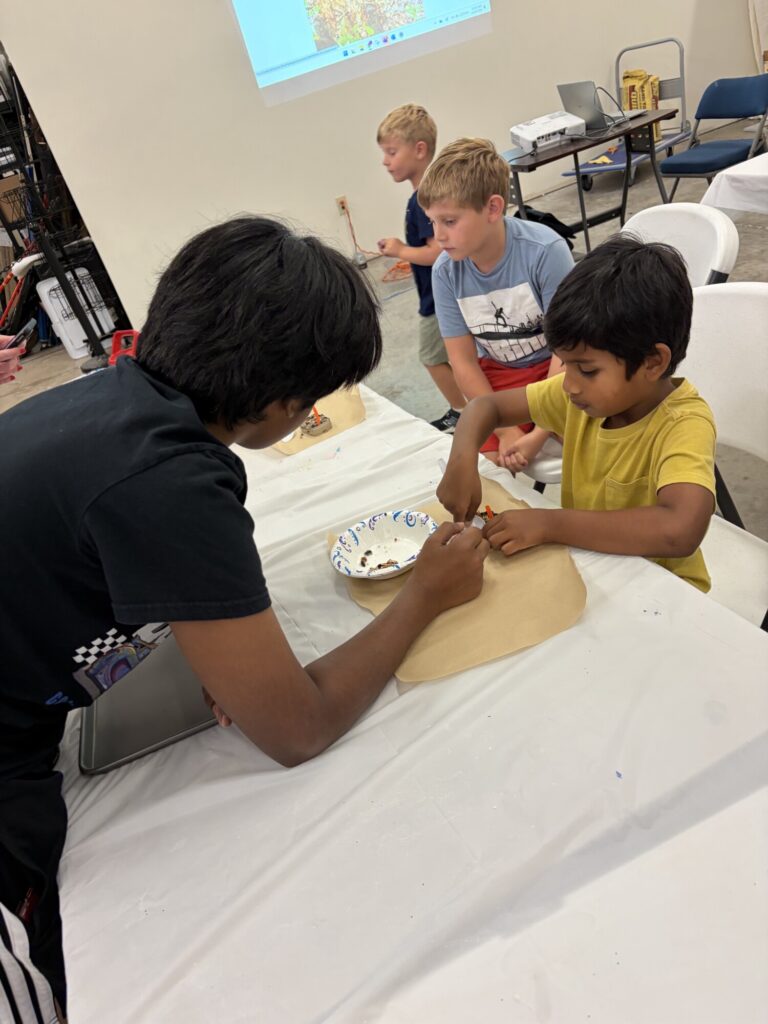
The goal of teen leader opportunities goes beyond encouraging teenagers to volunteer to help with a 4-H program. The goal is to give them meaningful ownership of the club. When teens plan, teach and solve problems, they are practicing communication, organization, creativity, adaptability, and responsibility. Just as importantly, they are learning that they have something valuable to contribute. If we want young people to become confident leaders, we cannot wait until they feel completely ready. We have to give them opportunities to lead while they are still learning. Sometimes the best thing an adult can do is step back just enough to let a young person step forward.
Forsyth County 4-H offers leadership, STEM, agriculture, healthy living, outdoor education, and civic engagement opportunities for students in kindergarten through 12th grade. To learn more about local programs or how to get involved, contact the Forsyth County Extension Office at 770-887-2418 or send an email to forsythcounty4h@uga.edu. In Forsyth County, 4-H is supported by The University of Georgia, Forsyth County Board of Commissioners, Forsyth County Board of Education, and generous community donors.