When people think about leadership, they often picture adults serving on boards, managing businesses, or holding an elected office. However, leadership development begins long before someone enters the workforce. Young people who are given meaningful opportunities to lead, develop confidence, communication skills, responsibility, and the ability to work effectively with others.
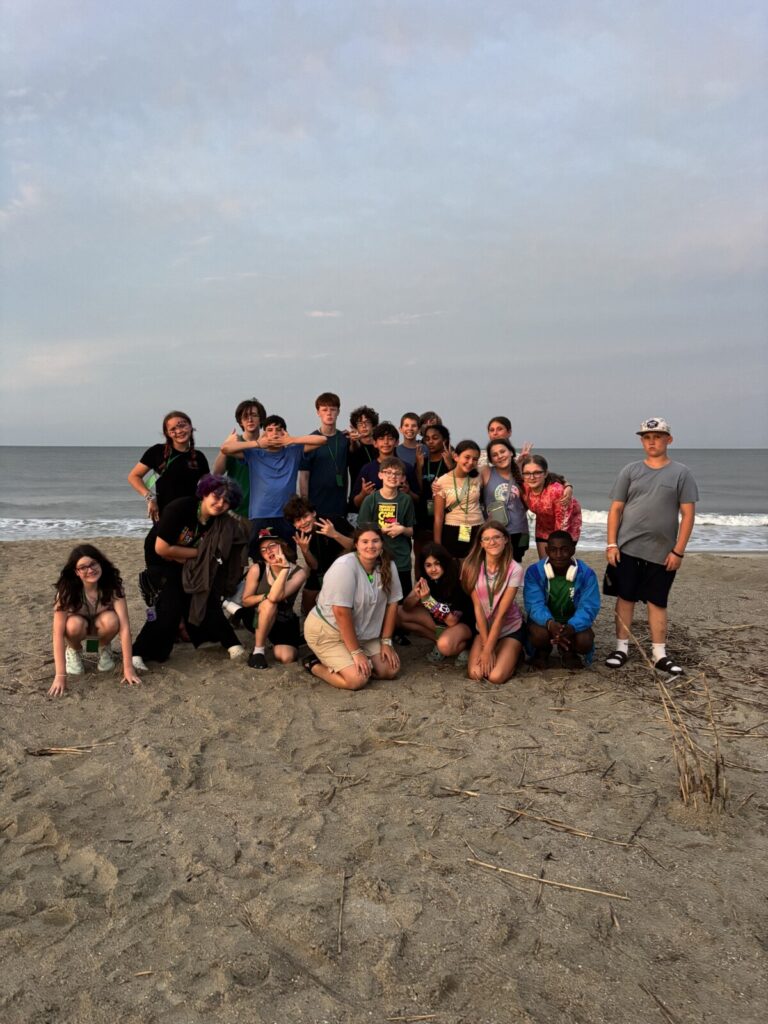
The National 4-H Study of Positive Youth Development, conducted by Tufts University, in partnership with land-grant universities and 4-H programs across the country, found that young people thrive when they have opportunities to participate in meaningful activities, build relationships with caring adults, and take on leadership roles. Studies of 4-H leadership programs have found that youth who participate in leadership-focused experiences demonstrate stronger leadership life skills than their peers. Researchers have also found that former 4-H members report significant growth in communication skills, leadership abilities, and personal responsibility. These are skills that benefit young people not only in school, but throughout their lives.
Leadership is not just about holding a title or being in charge of a group. True leadership involves learning how to communicate effectively, being able to work with a diverse team, problem solving, and serving others. These skills are developed over time, through experience. As adults, many of us know that our best leadership learning experiences involved conflict and failure. Youth development organizations, like 4-H, offer young people opportunities to become leaders and practice their leadership at a young age. These real opportunities to lead, rather than simply participating in activities planned by adults, help young people gain the skills and confidence that they need to become leaders in their community later in life. 4-H members are encouraged to take ownership of projects, events, and service opportunities. They learn how to organize meetings, speak in front of groups, mentor younger members, and work collaboratively to accomplish shared goals. These opportunities can also help students discover a passion that they want to pursue as a career. For example, a teen who leads a community service project may discover a passion for public service. A youth who teaches younger members about wildlife or forestry may develop an interest in education or natural resources.
The benefits of youth leadership extend far beyond the individual participant. Younger members gain role models who are close to their own age and can inspire them to become more involved. This helps build a rich community where young people feel supported and are more willing to share their ideas about how to continue to move the club forward.
Over the years, Forsyth County 4-H has seen firsthand how leadership opportunities help young people grow. Teen leaders assist with camps, support educational programs, mentor younger members, and serve in county and state leadership roles. Through these experiences, they learn to step outside their comfort zones, develop new skills, and gain confidence in their ability to make a positive impact.
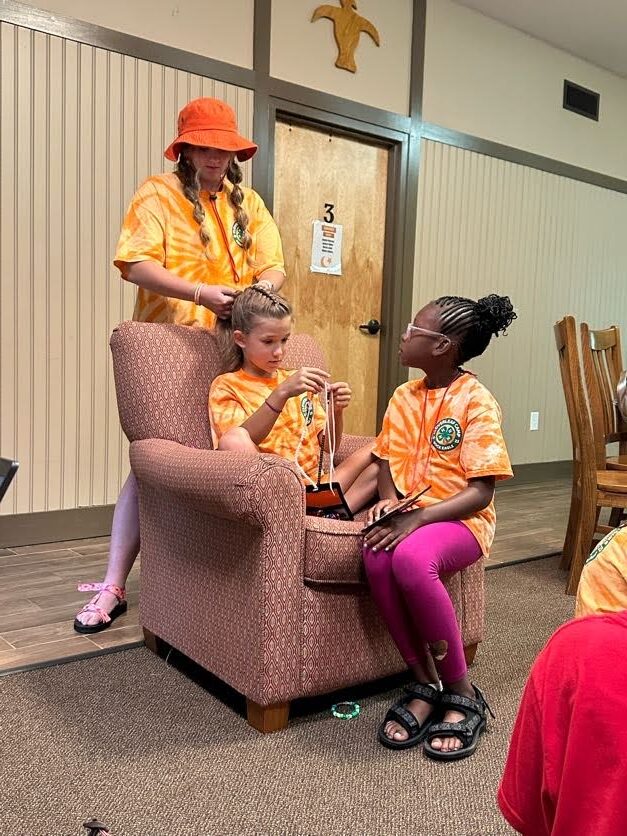
This fall, Forsyth County 4-H is excited to expand leadership opportunities through teen-led project clubs. These clubs will allow Certified Teen Leaders to share their interests and expertise with younger members while gaining valuable experience in planning, teaching, and facilitating activities. Whether the topic is science, healthy living, agriculture, public speaking, or another area of interest, these clubs will provide a meaningful opportunity for teens to put their leadership skills into practice.
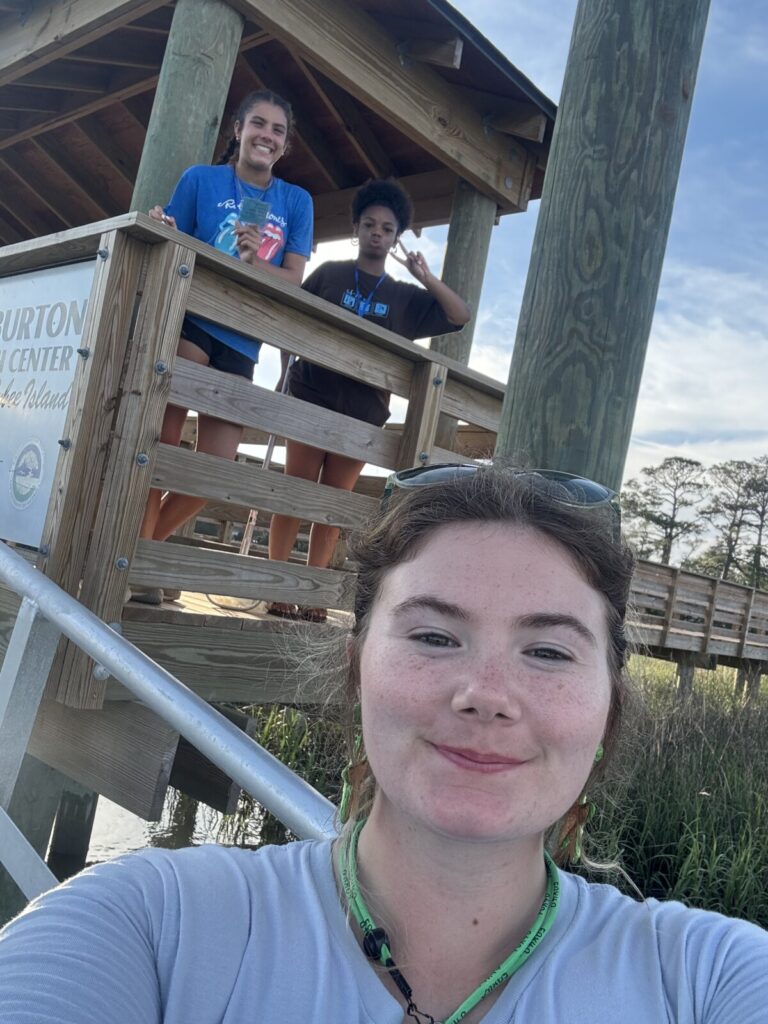
One example is Mackenzie Kimbral, who served as a Certified Teen Leader while in high school. During her time in 4-H, she helped teach lessons at Community Club meetings and assisted younger campers at Cloverleaf Camp. Those experiences allowed her to develop communication, teaching, and leadership skills while serving as a role model for younger members. Today, Mackenzie is a college student pursuing a degree in special education and is spending her summer serving as a Georgia 4-H Camp Counselor at Burton 4-H Center on Tybee Island. This fall, she is starting the special education cohort where she will be co-teaching in classrooms pursuing a career that promotes youth development and positively impacting youth. Her journey demonstrates how early leadership experiences can help young people gain confidence, explore career interests, and continue making a positive impact on others.
For younger members, participating in a club led by a teen can be especially impactful. Seeing an older student confidently teach a skill or lead an activity helps younger youth envision themselves in similar leadership roles in the future. It creates a culture where leadership is learned, shared, and passed from one generation of 4-H’ers to the next.
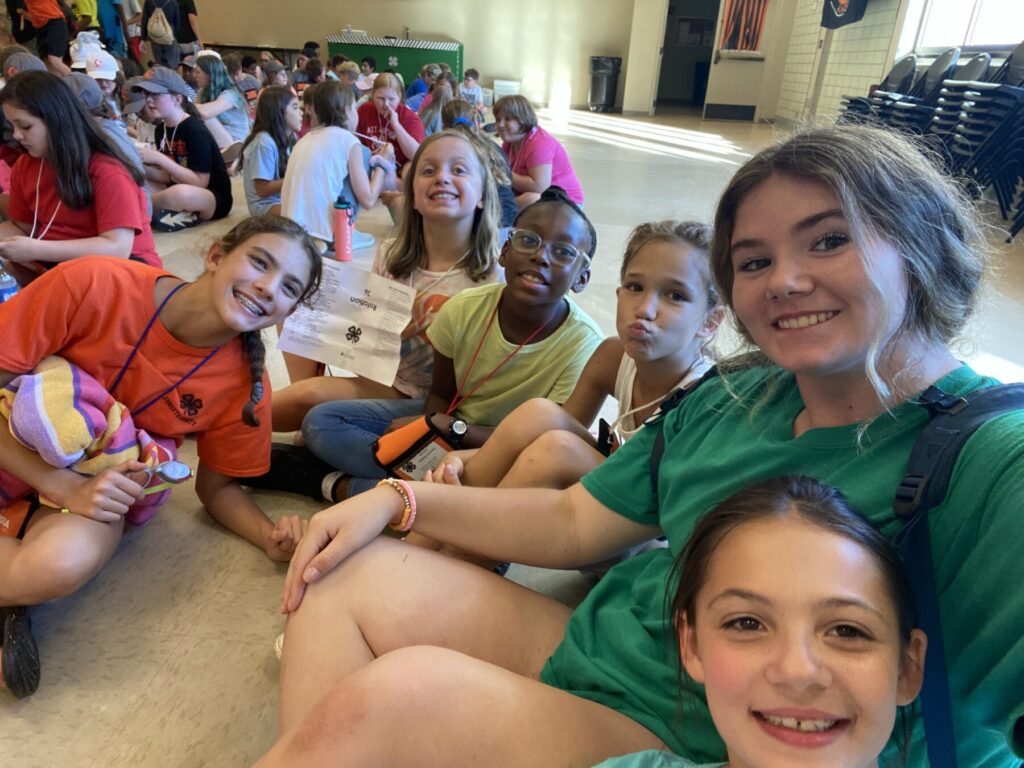
The future of our communities depends on the leaders we develop today. By empowering young people to step forward, take responsibility, and serve others, we are helping ensure that future is bright and tomorrow’s leaders are ready to Make the Best Better in their communities.
For more information about the 4-H Program or how to get involved, please call the Forsyth County Extension Office at 770-887-2418 or send an email to forsythcounty4h@uga.edu. In Forsyth County, 4-H is supported by The University of Georgia, Forsyth County Board of Commissioners, Forsyth County Board of Education, and generous community donors.