Many Americans are familiar with MyPlate, a visual meal planning tool introduced in 2011 by the USDA to help consumers implement the Dietary Guidelines for Americans. MyPlate replaced the Food Guide Pyramid which was used from 1992-2011. And just this year, the 2025-2030 Dietary Guidelines for Americans replaced MyPlate with the New Pyramid. But did you know that MyPlate is just one version of a meal planning strategy known as the plate method?
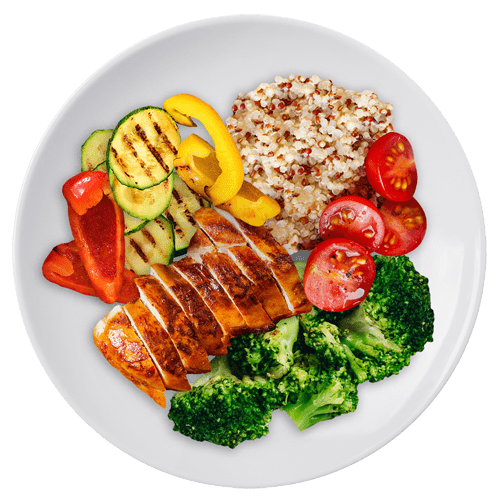
The plate method is a visual method for meal planning. It is based on dividing a plate – usually 9″ in diameter – into quadrants. Food groups are placed into each section of the plate. This creates a meal structure that does not require label reading, counting, measuring, or weighing. It’s more accessible than calorie counting for people who have difficulty reading or doing math. And it can also be a good option for those who find calorie counting stressful. You can think of the plate method as creating a visual budget or road map for the foods in your meal. While MyPlate is likely the most well-known version of the Plate Method, it’s not the only one.
American Diabetes Association’s Diabetes Plate Method
The ADA’s Diabetes Plate Method is a plate method with robust research supporting its utility as a teaching tool and efficacy for glycemic control. Beginning with a plate that is 9″ in diameter, non-starchy vegetables take up one half of the plate. Next, one quarter of the plate is filled with protein foods such as chicken or seafood as well as plant-based proteins such as beans, nuts, or tofu. Carbohydrate foods – such as fruits, dairy, starchy vegetables, and grains – are assigned to the last quarter of the plate. The plate is rounded out with water or another zero calorie beverage.
Using the Diabetes Plate Method results in a lower carbohydrate meal that promotes blood glucose management. Whereas MyPlate has several plates on the plate that could potentially contain carbohydrate foods – fruit, starchy vegetables, grains, and dairy to drink – on the Diabetes Plate, carbohydrates are limited to one quarter of the plate.


American Heart Association’s Deliciously Balanced Plate
The AHA created the Deliciously Balanced Plate as part of of their Healthy for Good initiative. It follows a similar layout as MyPlate, with some additional guidance to support users in following the AHA Diet and Lifestyle Recommendations. This plate method has greater emphasis on lean proteins and whole grains. Fruits and vegetables are assigned to half of the plate. One quarter of the plate is filled with lean protein; this method specifies lean as opposed to higher fat proteins and suggests options such as eggs, walnuts, beans, and salmon. The last quarter of the plate is dedicated to grains – specifically, whole grains with an focus on quick-prepared options like quick cooking oats, whole wheat pasta, and pre-cooked brown rice.
American Institute for Cancer Research’s New American Plate
The goal of this plate method is to reduce risk for cancer and other chronic diseases. Similar to the methods we’ve already covered, the New American Plate has a strong emphasis on plant foods like fruits, vegetables, whole grains, and beans. AICR has a helpful article for those interested in learning more about the similarities and differences between the 2020-2025 Dietary Guidelines for Americans and AICR’s Cancer Prevention Recommendations.

Harvard’s Healthy Eating Plate
The Healthy Eating Plate again follows similar proportions to the MyPlate, with half the plate dedicated to fruits and vegetables, one quarter to “healthy protein,” and the final quarter whole grains. They recommend limiting red meat and avoiding processed meats such as bacon, sausage, or deli meats. This plate includes healthy plant oils in moderation and recommends drinking water, coffee, or tea with limitations on milk and dairy products. Harvard identifies three main messages in their Healthy Eating Plate that relate to diet quality:
- Type of carbohydrate is more important than amount of carbohydrate since some carbohydrate foods are more nutritious than others. Potatoes are not included in the vegetable category in this method.
- Avoid sugar sweetened beverages due to their low nutritional value.
- Use healthy oils with no maximum percentage of calories from healthy fats.
An additional point of interest with Harvard’s Healthy Eating Plate is that it incorporates the impact of diet on planetary health using the EAT-Lancet Commission Report as its basis.
Which is the right plate method for you? Well, it depends. Several of the available methods have particular objectives, like crafting a lower carbohydrate diet with the Diabetes Plate Method, or reducing cancer risk with the New American Plate. However, what they have in common is a greater emphasis on plant foods, like fruits, vegetables, whole grains, nuts, and seeds. It’s been shown that most Americans’ diets do not adhere to the Dietary Guidelines for Americans when it comes to these food groups. The 2025-2030 Dietary Guidelines for Americans continue to emphasize the importance of these food groups as part of a healthy eating pattern.
Using a plate method has its limitations. It’s a simple method and as such, it loses some nuance. We don’t always eat off of a plate; sometimes we’re using a bowl or our foods are wrapped into a delicious package, like a burrito, dumpling, or slice of lasagna. It doesn’t capture combination foods very well. However, research has shown that using the plate method can be an effective tool for nutrition education and meal planning.