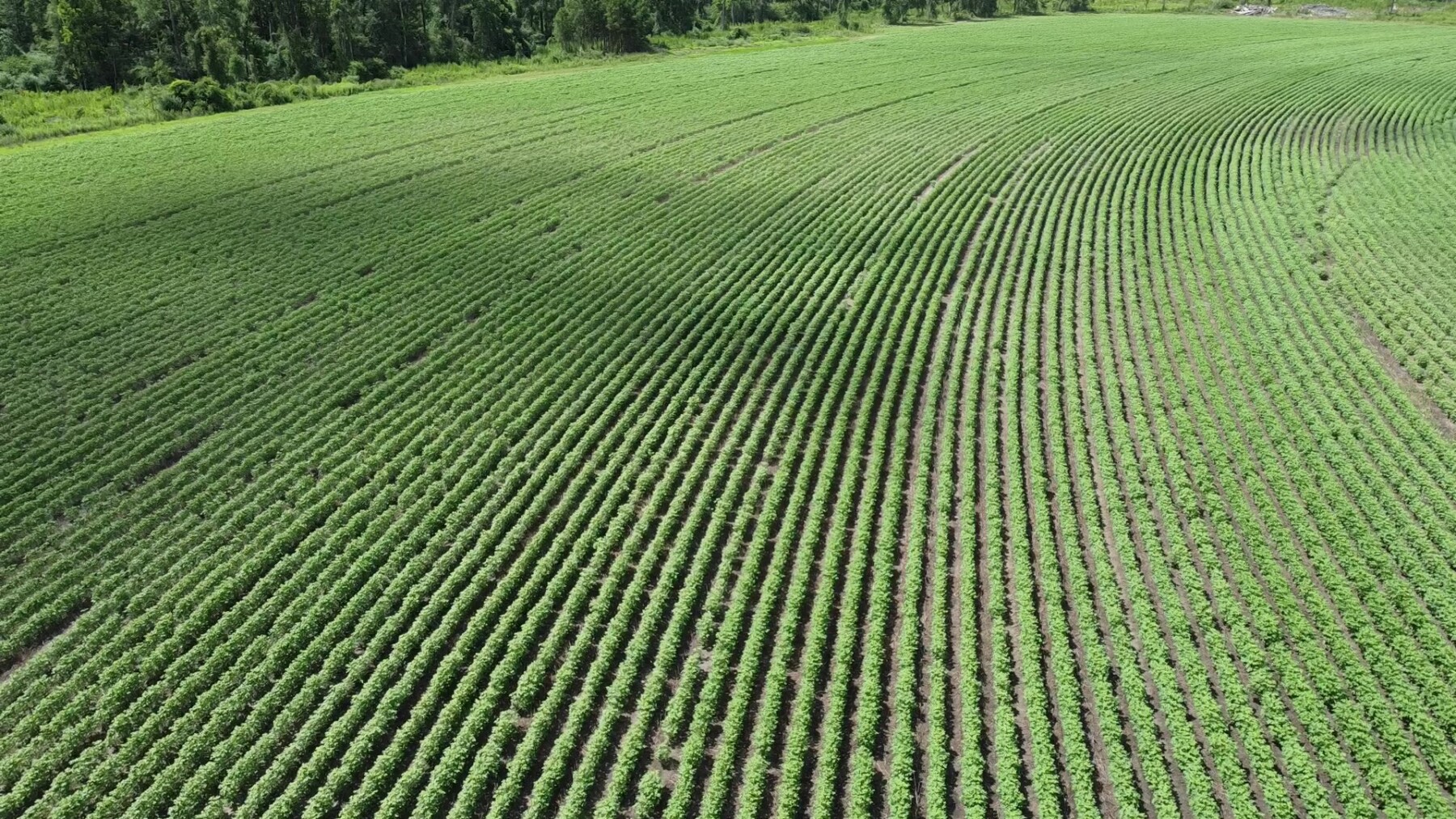
Below is a great article about Potash in peanut production from the UGA peanut team.
As we move through key production decisions this season, one nutrient that continues to
deserve close attention in peanut systems is potassium (K). While potassium is essential
for plant health, vigor, and yield formation, it must be carefully managed in peanut
production to avoid unintended consequences, particularly when it comes to calcium (Ca)
uptake and pod development.
Why Potassium Management Matters in Peanuts
Potassium plays a vital role in regulating water movement, enzyme activation,
photosynthesis, and overall plant stress tolerance. Adequate potassium levels support
strong vine growth (Table 1) and help plants withstand drought and disease pressure.
However, in peanut production systems, more is not always better. High levels of
potassium, especially when concentrated in the upper soil profile, can interfere with
calcium uptake by developing pods. This competition between potassium and calcium is
particularly important because calcium is not translocated within the plant. Instead,
developing pods must absorb calcium directly from the surrounding soil environment.
When potassium levels become excessive, particularly in the top four inches of soil where
pod development occurs, calcium availability to pods can be reduced. This imbalance can
lead to serious quality and yield issues.

Key Risks of Excess Potassium
One of the most notable consequences of excessive potassium in peanut fields is an increased incidence of “pops”. Pops are undeveloped or hollow pods that fail to properly fill. These pods reduce overall marketable yield and can significantly impact grade. In addition to pops, high potassium levels have also been associated with increased risk of pod rot. Pod rot can be caused by a complex of soilborne pathogens, and while potassium
is not a direct cause, nutrient imbalances can weaken pod integrity and increase susceptibility to disease pressure. Together, these issues can reduce both yield and quality, ultimately affecting profitability at harvest.
Soil Testing and Balanced Application
The foundation of proper potassium management begins with accurate soil testing. Potassium applications should always be guided by soil test recommendations rather than applied on a fixed or excessive schedule. Fields vary widely in potassium levels depending on past fertility programs, manure applications, and soil type. If soil tests indicate adequate or high potassium levels, additional applications may not be necessary. In fact, over-application should be avoided, particularly in fields with sandy soils or low cation exchange capacity where nutrient movement can be more dynamic. When potassium is required, it is important to avoid creating high concentrations in the upper four inches of soil. This zone is critical for peanut peg penetration and pod development, and excessive potassium in this layer can directly interfere with calcium uptake.
Timing and Placement Considerations
Timing and placement are just as important as rate when it comes to potassium management. The recommended approach is to apply potassium during pre-planting or early growth stages, allowing time for the nutrient to move into the soil profile before peak pod development begins. Incorporation is strongly recommended whenever possible. Incorporating potassium into the soil helps distribute it more evenly throughout the root zone and reduces the risk of localized concentration near the soil surface.
Avoid late-season potassium applications unless specifically recommended by soil or tissue testing. Late applications are less effective and more likely to disrupt the nutrient balance during critical pod fill stages.
Key Takeaways for the Season
To optimize peanut quality and minimize risk this season, consider the following
management principles:
- Base potassium applications strictly on soil test recommendations.
- Avoid excessive potassium applications, especially in the upper soil profile.
- Ensure potassium is applied pre-plant or early in the growing season.
- Incorporate potassium into the soil to improve distribution and reduce surface
concentration. - Remember that excess potassium can interfere with calcium uptake, increasing the
risk of pops and pod rot.
Balanced fertility is one of the most powerful tools available to peanut growers. While
potassium is essential for healthy plant growth, maintaining the correct balance,
particularly with calcium, is critical for protecting pod development and maximizing
marketable yield. Careful attention to soil testing, application timing, and placement can
help ensure that potassium supports, rather than limits, your peanut production goals this
season. In summary, follow soil test recommendations and avoid high potassium levels in
the pegging zone. A balanced 3:1 ratio of calcium to potassium is considered ideal.
If you have questions please contact your local county Extension agent.