Fruit
-
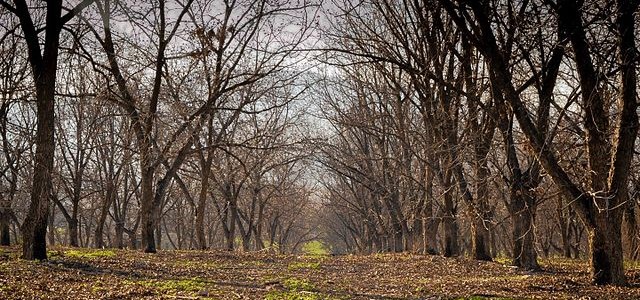
Bad weather this last year led to a smaller than expected pecan crop according to this story in the Southeast Farm Press this week. The crop got a lates start because of cool, erratic weather in the spring, which may have affected pollination. Rainy and cloudy weather through the summer caused problems with scab and…
-

Growing Produce posted this story by John R. Clark earlier this week discussing the weather this past winter in the Southeast and its impacts on blackberries. While he found that the freeze in February did not do as much damage to the canes as he feared, the late frost in April in North Carolina hit…
-

You might recall how hot it got last summer in the Pacific Northwest, with astoundingly hot temperatures. As you can imagine, it caused a lot of problems for fruit growers. Growing Produce published a story that described some of the impacts of the heatwave on their fruit production. The quotes and images are striking in…
-
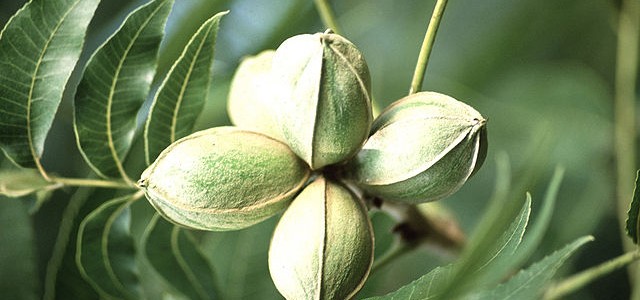
The rainy and cloudy weather this summer has reduced the yield of pecans according to this article in Vegetable and Specialty Crop News. Pollination and early development was delayed due to spring weather and cloudy weather during the nut-filling season reduced the development of the kernels, leading to light yields compared to sunnier years. Producers…
-
Popular Science: ‘Fugitive dust’ seems to have caused last summer’s salmonella outbreak from peaches
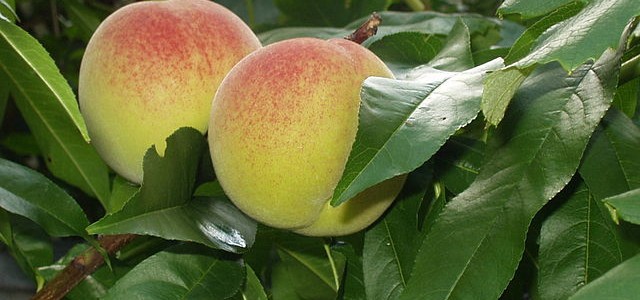
I just ran across this June 2021 story from Popular Science on the impacts of wind on tainted peaches. An outbreak of salmonella on California peaches came up with a surprising source of the contamination–dust from nearby chicken and cattle farms. Fortunately, in this case no one died although 28 people were hospitalized. But it…
-
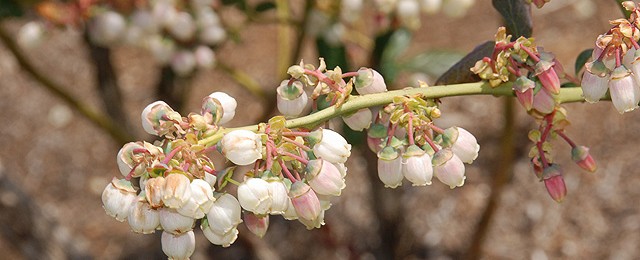
Growing Produce posted a story this week about a survey of blueberry growers in Florida and what their plans are for next year and the future. In the slide show it discussed some of the methods that producers are using to help with their production. They listed smart irrigation, weather stations, and soil monitoring as…
-

A new study out of the University of California, Davis, discussed earlier in September in Fruit Growers News shows that California grape growers in coastal areas can use less water during times of drought and cut irrigation levels without affecting crop yields or quality. According to FGN, “The findings, published Sept. 1 in the journal…