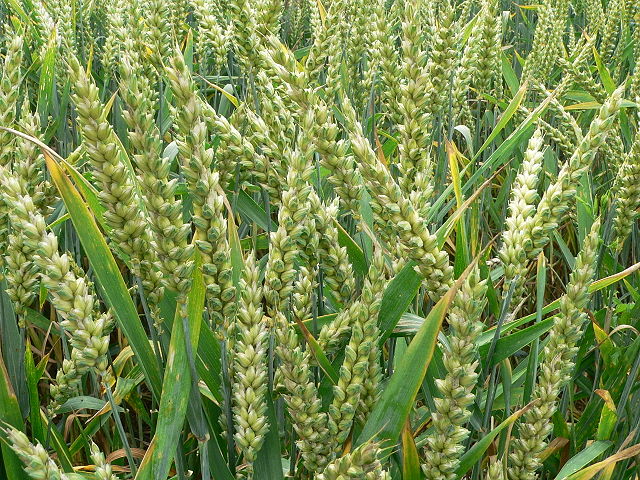
One of the big questions in determining the impacts of changing climate on crops is the effect called “carbon dioxide fertilization”. In test plots under higher CO2 levels, some crops do better with more carbon dioxide, leading to higher yields. The key is that it depends…on crop, water availability, and temperature. Some crops like rain-fed wheat do better in a warmer (and more moist) climate, but if the wheat is already irrigated additional increases in yield are not likely. And other crops like corn do worse in a warmer climate, especially in areas like the Southeast where corn is already marginal at our high temperatures.
Modern Farmer posted a brief discussion of this here. Of course, more heat-tolerant varieties are being developed, which may allow Southeast farmers to continue to improve yields even in a warmer climate as long as water is available.
BBC also posted a longer article about the Co2-greened earth here.