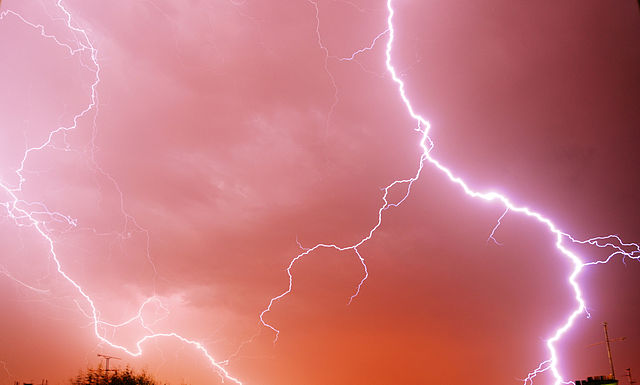
There have been a lot of changes in how we work, shop, and travel since the pandemic started to shut things down in March 2020, almost two years ago. You might wonder whether some of these changes have affected the atmosphere and the weather. Here is an interesting story I saw today about a recent study showing that there has been less lightning since the COVID lockdowns began. The study attributes the decrease in lightning to the reduction in aerosols and pollution emitted into the atmosphere by cars, factories, and power generation.
Aerosols serve as a place for water droplets to condense in the atmosphere, leading to more raindrops. The falling rain and snow (high in the cloud, where it is below freezing) can help create electric fields in the clouds that lead to lightning. We know aerosol emission in larger cities results in more rainfall downwind of places like Atlanta, so there is a reasonable connection between the decreased aerosols and less rainstorms that might have lightning. You can read more or watch a video at ABC News.