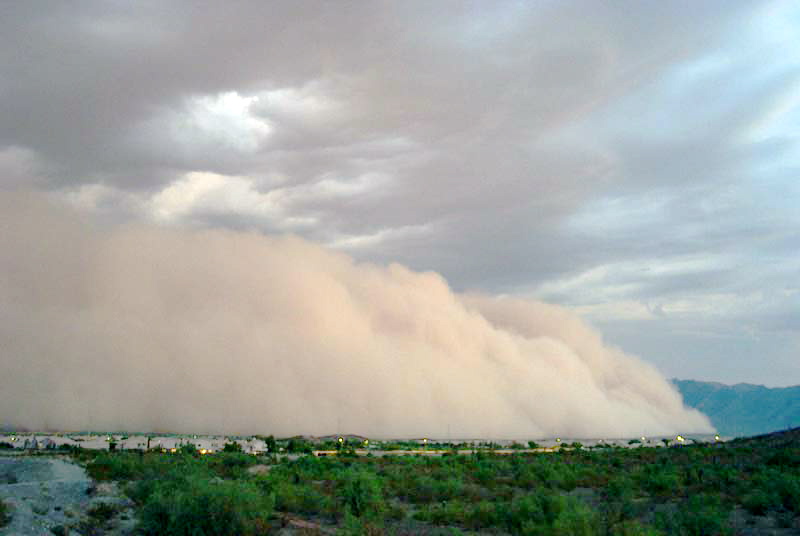
I got an email a week or so ago asking me about “fungal storms” and how they are changing over time. This was the first time I had ever heard of this phrase, which sounds to me like something out of science fiction. So I did a little research and found out that this is a new term that has suddenly appeared in the media, although where it came from is not clear. You can see an example in this USA Today article from late March: https://www.usatoday.com/story/weather/2026/03/30/fungal-storms-airborne-spores-dust-explained/89387045007/. Note that the photo in the article is a dust storm or haboob, so I am not sure why they called it a “fungal storm”. While there might be some fungal spores in the dust that is lifted from the earth, it is not a storm of fungus.
If you read a little further into the story, it admits that the spores can come from dry contaminated land or land that was flooded and produced mold so it is not just in dust storms. But this story has been picked up by many other newspapers and the term is spreading. So if you see a story about “fungal storms” be wary of hype that may not be entirely accurate. Can increases in spores affect health? Of course, and some diseases like valley fever can be carried by the wind through transport of fungal spores from one place to another when they are taken into the lungs. Wind-blown spores can also carry diseases like southern rust in corn from tropical regions into the Southeast. Is spore production changing due to our changing climate? It is likely because we are having both longer dry spells and more flooding rains, so those conditions could both increase the likelihood of spore growth, but it is a stretch to call the transport of spores a “fungal storm”.
If you have been asked about fungal storms lately or have seen them in the media, I would be interested to learn more.