There have been a number of stories in the news lately linking bad weather or climate to decreases in crop yields. Here is a sampling of them.
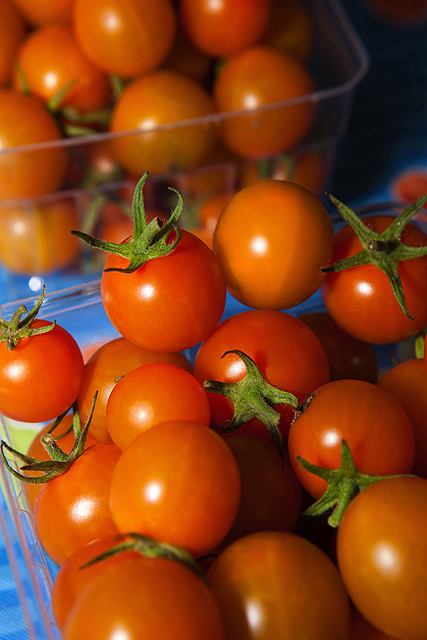
The Packer reported here that volumes of tomatoes from Florida has been significantly reduced due to a combination of rains in excess of 14 inches plus record high temperatures attributed to El Niño. This has caused tomato prices to remain high while supply is reduced. Conditions are not expected to return to normal until April.
A cauliflower shortage was reported in The Daily Beast this week. While demand is up due to the popularity of low-carbohydrate diets, they attribute the shortage to “unusually cold weather in California and Arizona, where the majority of the nation’s cauliflower is grown. Major shifts in temperatures have been reported, including some dropping below freezing overnight. According to the National Garden Associations, low temperatures can stress cauliflowers out and lead to “poorly formed heads.”
Farther afield, The Packer reported that cherries from Chile were also in short supply after cold weather early in the season reduced yields from trees. The Packer also reported that cold, rainy weather was delaying the beginning of the Mexican asparagus season, sending prices past $40 a box.