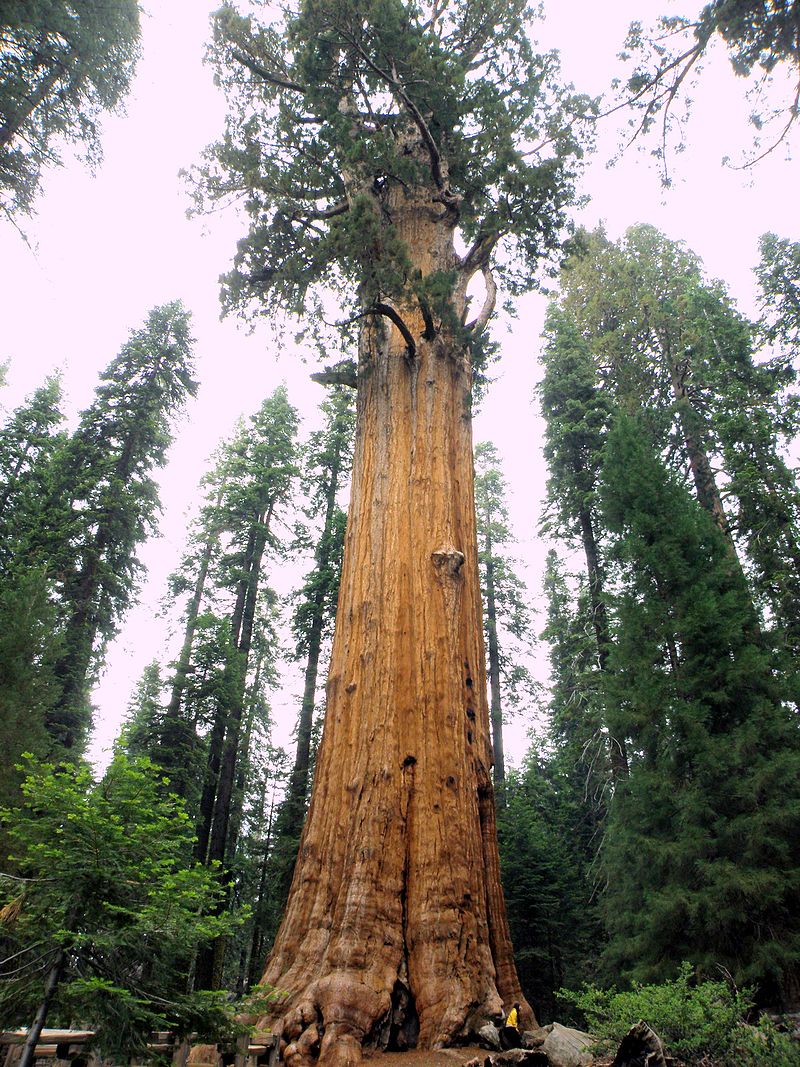
A new study recently published in Nature Communications shows that taller trees in a forest died at more than twice the rate of smaller trees at the end of extreme drought. The research used airborne lidar to sample the health of forests with such detail that they could drill down to individual trees and see how they fared over time. The authors speculate that the longer distance that the trees had to pull up water from the ground made them more susceptible to air pockets that make water transport up the trunk shut down. You can read more in Eos here.