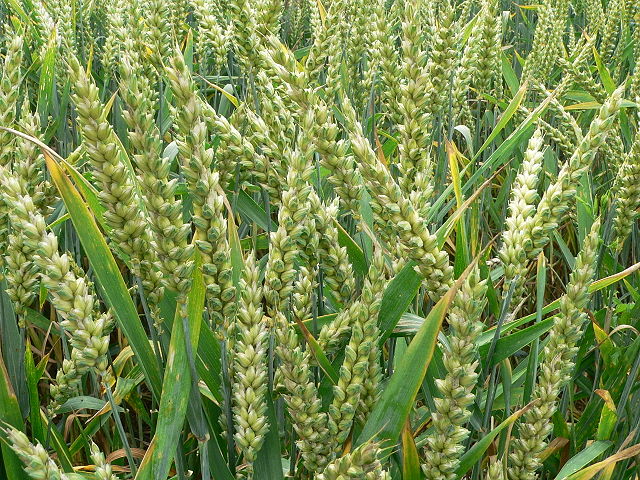
The Southeast Farm Press noted this week that North Carolina has had a disappointing wheat crop this year, due in part to poor weather which affected yields. They noted that “Wet weather this year has lowered nutrient uptake in wheat and increased disease pressure. Due to a soggy February, Pythium root rot and crown rot were problems across the state while some fields also saw damage from two freeze events in early April.”
Unusually wet conditions cause roots to grow near the surface of the soil, limiting the amount of nutrients they can pull up into the plants. Root diseases also increase when soils are really wet.
You can read the full article at https://southeastfarmpress.com/soybeans/lessons-learned-disappointing-wheat-crop?page=1.