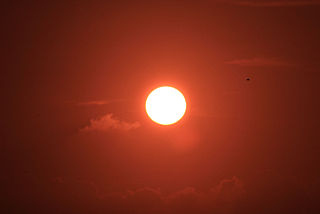
As temperature and humidity rises, conditions for living safely without heat-related illnesses become less frequent. Days with very high temperature and humidity lead to increases in heat stress and illness as well as deaths. A study published in Nature Communications concluded that “deadly conditions have already placed hundreds of millions of people at grave risk.” The key factor seems to be how high the wet-bulb temperature is, since that marks the lowest temperature a body can reach by sweating and evaporation of the sweat. Humidity and wet-bulb temperatures are rising now along with air temperatures, so the conditions for dangerously sweltering conditions are increasing as time goes on. You can read a summary article at Newser at https://www.newser.com/story/387008/heatwaves-already-reaching-deadly-limits-for-humans.html.