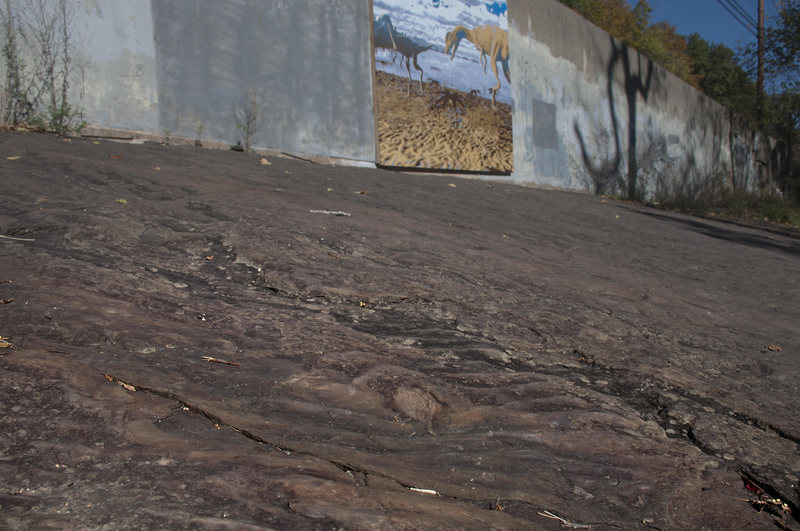
Atlas Obscura had a very interesting post in October that discussed how scientists are using prehistoric sand ripples that have been preserved in rocks from about 200 million years ago to determine what the weather was like. These scientists from MIT used rocks from Massachusetts that had both preserved ripples and dinosaur tracks on old mud flats and reverse-engineered them to determine the wind and wave patterns that must have been occurring when the ripples and tracks were made. It’s a fascinating study of how scientists can use very old landforms and signs of what life was like a long time ago to improve our understanding of what is happening on earth now. You can read the story here.