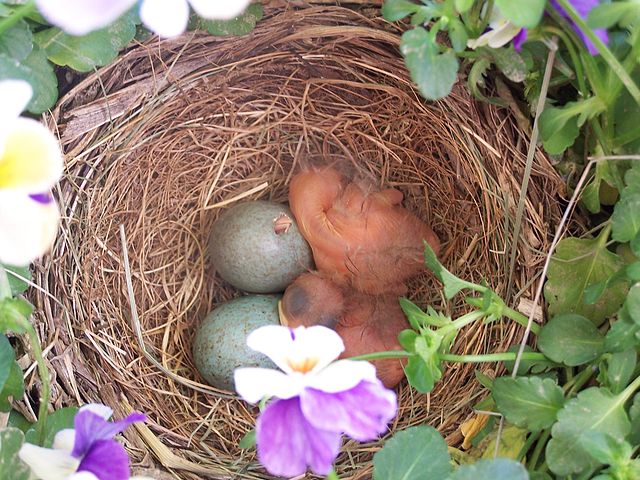
Increases in temperature over time have many different impacts on plants and animals. Flowering plants and trees are blooming earlier, which may cause problems for commercial fruit production because the early bloom makes the plants more vulnerable to a late frost, for one example. This is a problem when one change, such as the migration pattern of a bird species, does not match the shift in its food source, potentially leaving them with no good food options. In the second of these articles below, scientists have seen that above-ground plant development does not change at the same rate as below-ground root development, leading to lack of understanding about how a warmer climate will affect plant productivity in the future. Here are three recent stories in the news that describe some of the changes that scientists have seen.
Washington Post: Climate change is making pollen season even worse across the country
Science Daily: Shoots and roots respond differently to climate change
Washington Post: Birds are laying their eggs a month earlier than normal